

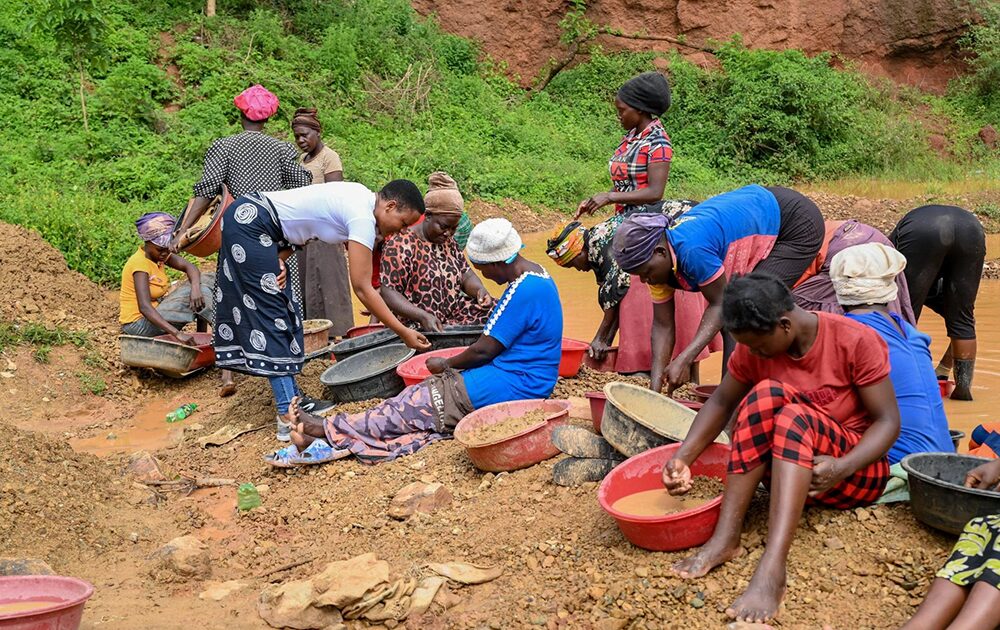
Behind the statistical data of Moroto’s economic growth is a devastating reality for its most vulnerable residents.
As a rapid influx of miners and job seekers transforms the district, local young girls are caught in a cycle of extreme poverty and survival sex—sometimes trading their bodies for something as simple as a hot meal.
The joint health initiative recently launched in Moroto is putting a spotlight on these human stories, shifting the focus from corporate profit to community survival.
Judith Nakalembe, a human rights advocate with the Center for Health, Human Rights and Development (CEHURD), warns that deep-seated poverty is driving young girls into highly dangerous situations.
With limited ways to make a living, many find themselves exploited by the sudden influx of laborers who have disposable income from the mining sites.
“We have realized that young girls nowadays exchange sex for small things like chapatti and other incentives. Later, when they conceive, they run for unsafe abortions, and as a result, many have lost their lives.”— Judith Nakalembe, CEHURD Advocate.
These desperate trade-offs have fueled an alarming tenfold increase in new HIV infections across the district. For these girls, the immediate threat of hunger outweighs the long-term risk of a virus—especially when basic protection is out of reach due to a severe, ongoing shortage of condoms at local mining camps.
For those already living with HIV in Moroto, the boom brings a double-edged sword: increased economic activity but heightened social isolation.
To combat this, local leaders are calling for a shift in how the community views the virus. Samuel Lokong, the Moroto District Principal Assistant Secretary, is urging people living with HIV to step forward as community ambassadors.
The heart of the new initiative is grassroots connection. Instead of waiting for patients to walk through clinic doors, teams from CEHURD, TASO, and NAFOPHANU are actively going into mining communities and sub-counties.
By building networks of local peer leaders, they are working to ensure that a young girl looking for a meal or a miner seeking a livelihood is met with education, protection, and dignity—rather than a life-threatening diagnosis.
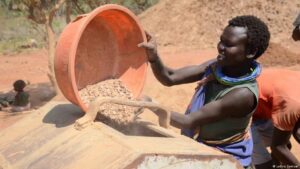
Health organizations and Moroto District local Government have launched a major joint initiative to halt a surge in new HIV infections and streamline integrated care for people living with the virus.
The intervention responds to an alarming tenfold increase in new HIV cases. Local authorities link this spike to rapid economic expansion and a massive influx of job seekers drawn to local mining operations and business hubs. While Moroto’s overall HIV prevalence of 2.1% remains below Uganda’s national average, officials warn that the sudden acceleration of new infections threatens to dismantle years of prevention progress.
Charles Onyang Omudu, the Moroto District HIV/AIDS Focal Point Person, stressed that economic migration is overwhelming current prevention resources. He revealed that the District HIV Coordination Committee is severely underfunded following U.S. aid reductions to USAID. Omudu appealed to regional allies, including Baylor-Uganda, to help bridge these critical financial gaps.
Compounding the problem, Hassan Naburi, the Moroto District Chairperson of NAFOPHANU, raised red flags over an acute shortage of condoms. He emphasized that limited availability is actively undermining safety initiatives within highly vulnerable mining communities
