

Delays in the payment of salaries, pensions, and gratuities—alongside workplace victimization and hurdles in accessing vital public documents—have emerged as the leading grievances handled by Uganda’s Inspectorate of Government (IG).
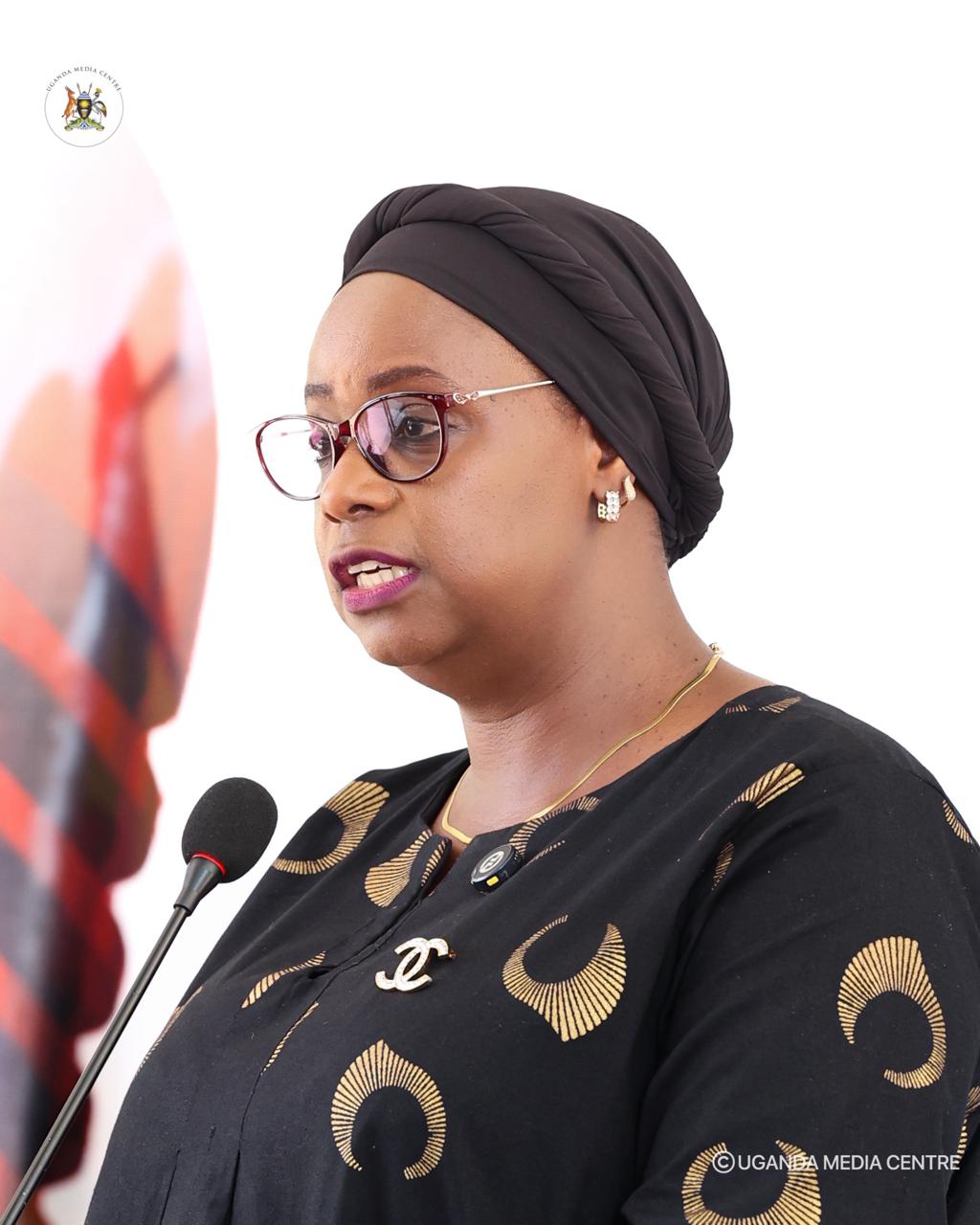
The Inspector General of Government (IGG), Lady Justice Aisha Naluzze Batala, revealed on Monday that administrative and “Ombudsman-related” complaints accounted for 37% of all cases investigated and concluded by the watchdog during the 2025/2026 financial year. The staggering figure underscores the deep administrative hurdles ordinary citizens face when navigating public institutions.

Justice Batala made the remarks during a press briefing announcing activities to mark International Ombuds Day on October 8, 2026.
This day is observed annually on the second Thursday of October, this year’s commemoration will held on Thursday, 8th October, 2026.
The roots of this global observance trace back to 19th December, 2017, when the United Nations General Assembly adopted Resolution 72/186. This landmark resolution formally recognized the Ombudsman as a critical administrative “bridge” between citizens and the state, vital for upholding administrative justice, human rights protection and grievance redress. Today, we stand to reaffirm that public trust relies on a system where every citizen is heard, treated fairly and protected from administrative injustice.

According to the IGG, the vast majority of these complaints originate from local government offices, where citizens interact most directly with the state.
The most common public grievances include:delayed or completely unpaid salaries, pensions, and gratuities, alongside the irregular calculation of employment benefits,protracted delays in securing National Identity Cards (IDs), land titles, passports, and access to the government payroll and Irregular recruitment processes, malicious interdictions, and the systemic victimization of whistleblowers.
The Inspectorate’s interventions have yielded tangible relief. During the last financial year, the IG successfully resolved 1,011 Ombudsman cases. These resolutions led to the enforcement of recommendations that recovered Shs 2.35 billion in withheld employment-related benefits for affected citizens.

Justice Batala emphasized that the Ombudsman function expands far beyond the public’s traditional perception of the IG as solely an anti-corruption agency.
She explained that the Inspectorate’s constitutional mandate explicitly empowers it to dismantle maladministration, champion the rule of law, enforce the principles of natural justice, and curb the abuse of public office and state resources.
“Corruption thrives where administrative rules and procedures are broken or ignored,” the Inspectorate noted in a statement, emphasizing that resolving administrative injustices is critical to closing the operational gaps that breed graft and derail service delivery.
