

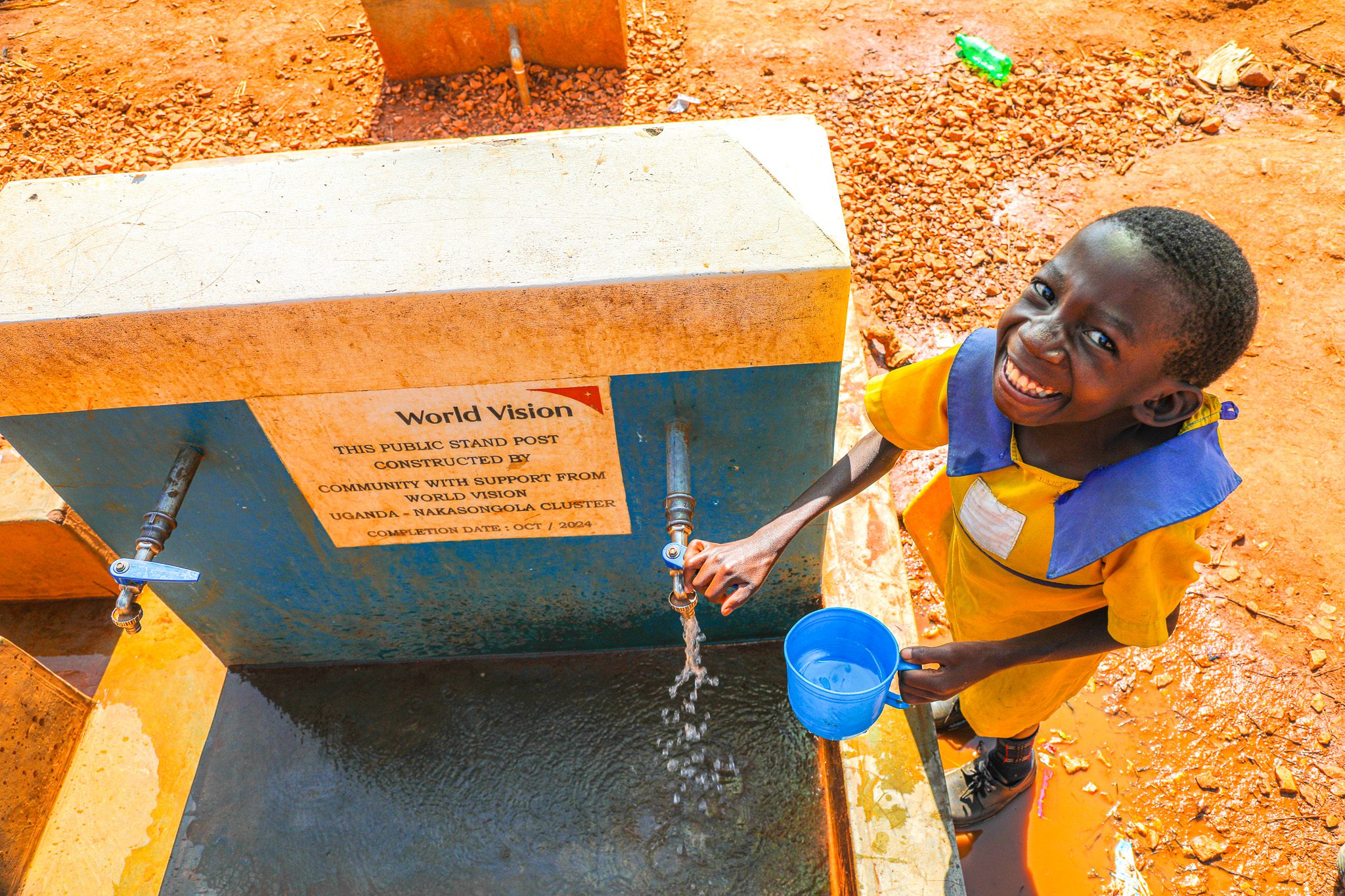
As Uganda marks African Statistics Week 2026, new census figures and health surveys reveal a stark paradox: while over four-fifths of the population can reach a clean water source, nearly nine in ten households still face the threat of contaminated drinking water.
For millions of Ugandans, fetching water from a protected borehole, public tap, or piped system is a daily routine that signals progress. According to the 2024 National Population and Housing Census, 81.1% of Uganda’s population now has access to safely managed drinking water. On paper, it is a remarkable achievement in expanding basic infrastructure.
Yet, as the Uganda Bureau of Statistics (UBOS) leads the nation in commemorating African Statistics Day on November 18, 2026, the agency is sounding an urgent alarm. Having a tap or borehole nearby does not guarantee that the water inside a household’s jerrycan is safe to drink.
Data from the Uganda Demographic and Health Survey (UDHS) paints a sobering picture of what happens between the water source and the cup. While infrastructure has grown, 89% of Ugandan households remain at risk of water-borne diseases due to contaminated drinking water. In rural areas, where safe storage and water treatment are harder to maintain, that exposure climbs to an alarming 93%.
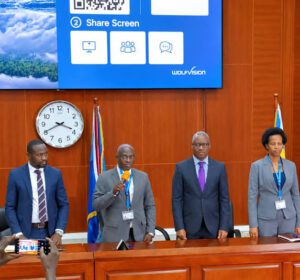
“Over 80% of households use safe drinking water sources,” says Dr. Vincent Fred Ssenono, the UBOS Deputy Executive Director, speaking on behalf of Executive Director and Chief Statistician Dr. Chris N. Mukiza. “But there are other issues which are important, which sometimes we ignore—the level of contamination of water.”
According to Senono only 43.1% of Ugandans benefit from safely managed sanitation services and just 24.3% of households have safely managed sanitation facilities equipped with both water and soap at home.
Without proper sanitation and handwashing facilities, clean water collected at a community source is easily recontaminated during transport and storage.
This year’s African Statistics Day theme—“Institutionalising Water and Sanitation Statistics for Sustainable and Climate-Resilient Development in Africa”—places hard data at the center of solving this crisis. As rapid population growth strains existing infrastructure and climate change triggers unpredictable droughts and floods, guesswork in resource allocation is no longer an option.
To bridge the gap, UBOS has partnered with local governments to map and geo-reference water sources across districts through a dedicated local government application. By pinpointing the exact location and status of water points, authorities can identify underserved communities, track whether public funds reach the people who need them most, and respond faster when climate shocks disrupt supply.
“Knowing which communities lack reliable water and sanitation services tells public authorities where to invest and helps track whether those investments are reaching the people who need them,” Dr. Ssenono notes.
To turn these numbers into policy action, UBOS is hosting a week-long programme from November 12 to 19, 2026, uniting policymakers, statisticians, students, and development partners:
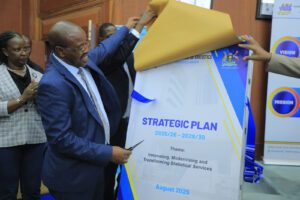
- November 12–13 (Laying the Foundation): Following a national media briefing, UBOS unveiled its Fourth Plan for National Statistical Development, the Fourth UBOS Strategic Plan, and the Service Delivery Standards (2025/26–2029/30) to strengthen data collection across all government sectors.
- November 16–17 (Building Capacity): A seminar for statistics professionals focuses on technical standards, followed by a students’ symposium and sports gala designed to show upcoming statisticians how raw figures translate into life-saving public policy.
- November 18 (The Climax): On African Statistics Day itself, a high-level dialogue brings leaders together to integrate water and sanitation statistics directly into national and climate-resilience planning.
- November 19 (Community Impact): The celebrations conclude with invited guests participating in blood donation drives and tree-planting exercises—linking public health directly to environmental conservation.
As Uganda pushes toward the United Nations Sustainable Development Goals for universal clean water and sanitation, the message from African Statistics Week is clear: counting boreholes is only the first step. True progress requires tracking water quality right up to the moment it is consumed, ensuring that every drop reaching a Ugandan home sustains life rather than threatens it.
