

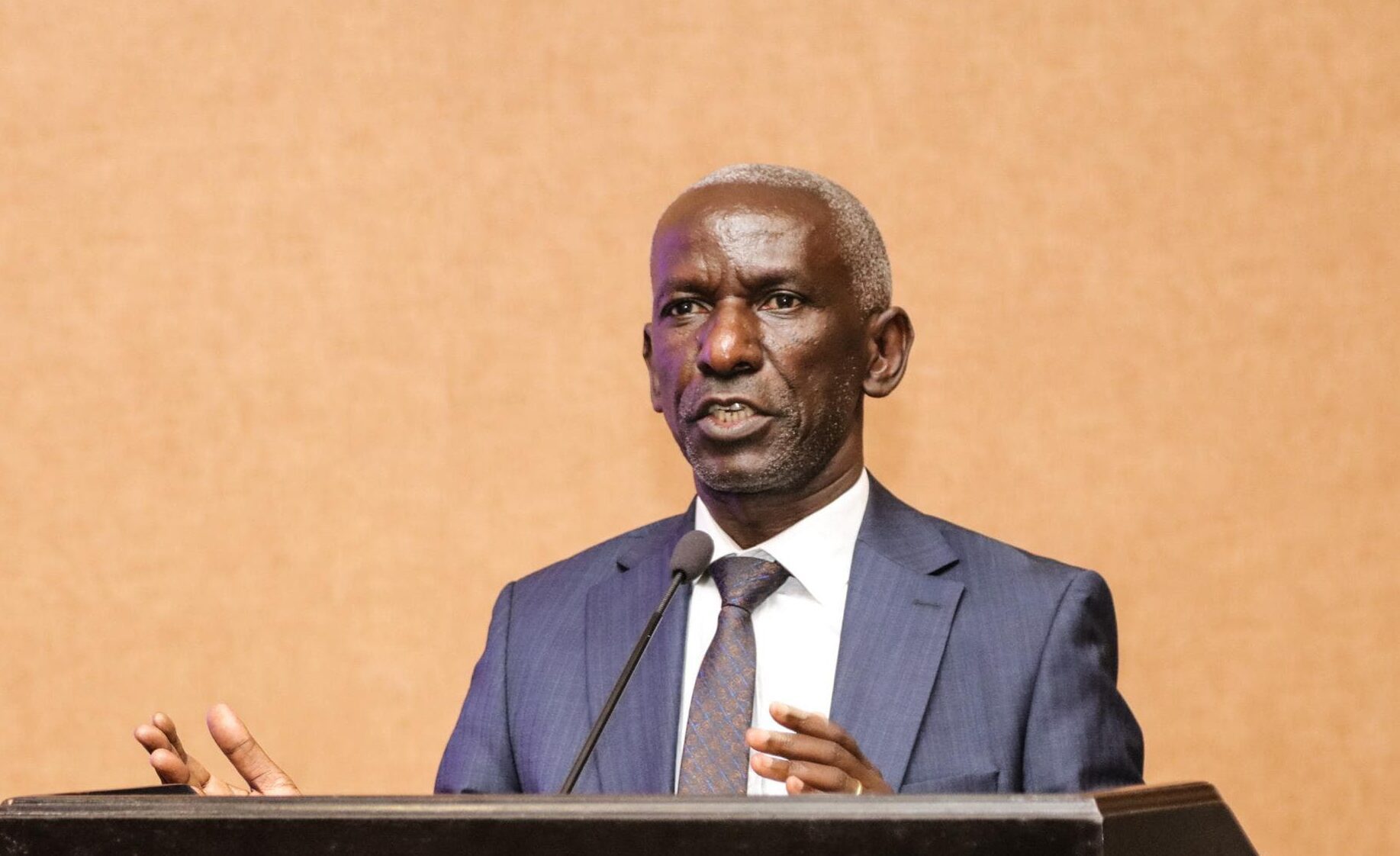
The National Agricultural Research Organisation (NARO) is set to commercialize its massive research infrastructure through Public-Private Partnerships (PPPs) to generate independent revenue and guarantee long-term funding for agricultural innovation.
The strategy was finalized during a top policy management meeting at Speke Resort Munyonyo, where leadership reviewed feasibility studies and project concept notes aimed at attracting private sector capital, technology, and operational expertise.
While the Government of Uganda remains NARO’s primary funder, declining support from international development partners has triggered a shift toward financial self-reliance. Dr. Yona Baguma, NARO’s Director General, emphasized that the organization must sweat its existing assets to ease the burden on the national treasury.
“Over the last 30 years, NARO has built immense capacity,” Dr. Baguma stated. “We must now add value to these facilities and make them work for us. This is about investing our brains to make NARO self-sustaining.”
NARO has already demonstrated strong commercial proof-of-concept through key initiatives:
UGX 20 Billion in vaccine stocks generated by the new anti-tick vaccine manufacturing facility and UGX 20 Billion generated in the last financial year through localized coffee seed hubs.
Over UGX 1 Billion brought in annually by licensing improved crop varieties to private seed companies.
The new PPP framework opens up several underutilized research facilities for private sector management and expansion:
The Dairy Processing Plant and Livestock Feed Mill at NaLIRRI, the Fish Feed Mill at Kajjansi (NaFIRRI), and the Feed Sorting Facility at Mbarara ZARDI.
Automotive garages at NaSARRI, NaLIRRI, and NaCRRI to be run on commercial arrangements.
Turnkey hostel facilities located at NaFIRRI in Jinja and MuZARDI in Mukono.
Jim Mugunga, the Executive Director of the PPP Unit at the Ministry of Finance, Planning and Economic Development, praised NARO’s proactive stance. He noted that public institutions must look beyond the national budget to expand operations.
“No country can fund everything through its national budget,” Mugunga said. “NARO’s approach shows how public institutions can transform research infrastructure into commercially viable ventures without losing sight of their core mandate.”
Mugunga explained that while scientists only need limited machinery runtime for research, the excess capacity can be fully exploited by private players to manufacture high-quality feed, vaccines, and seed varieties at scale.
The initiative directly aligns with Uganda’s broader economic transformation agendas, including the Tenfold Growth Strategy and the Parish Development Model (PDM), by ensuring that cutting-edge agricultural research is rapidly commercialized into products that reach local farmers.
The Ministry of Finance’s PPP Unit, alongside Operation Wealth Creation (OWC) and the Ministry of Agriculture (MAAIF), has committed to fast-tracking the development of these investment opportunities.
