

For over a decade, navigating the pothole-ridden crater fields of Kampala has been a daily endurance test for commuters, a nightmare for vehicle suspensions, and a profound embarrassment for national pride.
The Kampala Capital City Authority has long been the target of public fury, facing accusations of corruption, mismanagement, and staggering delays.
Now, with a strict December 2026 deadline looming for major arterial road upgrades across the city, the stakes have never been higher.
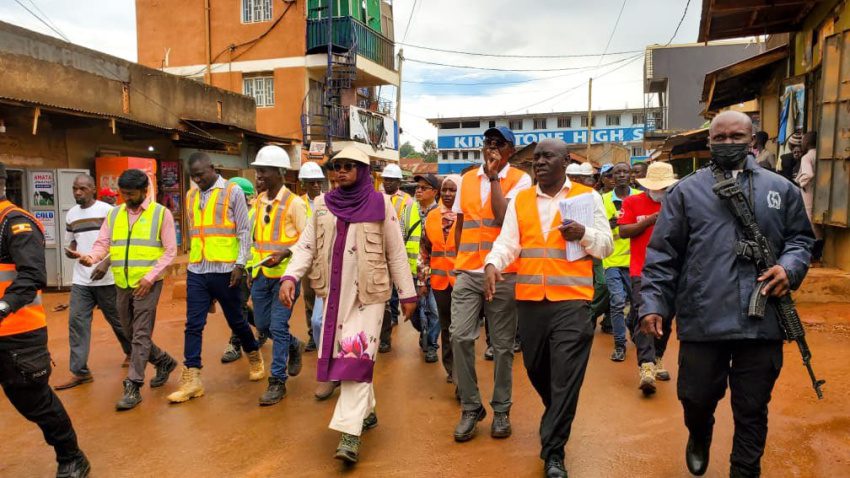
KCCA’s new Executive Director, Hajjat Sharifah Buzeki, has hit the ground running with aggressive site inspections, demanding accountability and a frantic push toward completion. But for Kampala’s cynical taxpayers, who have seen countless deadlines come and go while the city chokes on dust and gridlock, the big question remains: Is this a genuine infrastructure turning point, or just another political face-saving exercise?

The ongoing works are divided across high-stakes portfolios, and while some corridors show visible signs of asphalt, others remain a muddy, chaotic mess.
As the public demands immediate results, KCCA and its contractors have rolled out a familiar defensive line of operational hurdles. While some are legitimate engineering bottlenecks, critics argue they point to a systemic failure in proactive planning:
To make matters more complicated, KCCA recently launched an aggressive 16-month rehabilitation project for high-traffic corridors like Yusuf Lule Road, Bombo Road II, Gaddafi Road, and Bukoto Street.
While long overdue, launching these massive overhauls simultaneously with the wrapping up of older projects has turned Kampala’s traffic ecosystem into a permanent gridlock. Commuters are spending hours in stationary traffic, fuel costs are skyrocketing, and the economic toll on the city’s workforce is staggering.
Hajjat Sharifah Buzeki’s aggressive oversight has brought a much-needed sense of urgency to City Hall, but the real test lies in the execution. Kampala residents are tired of hearing about “percentage progress” while driving through craters.
If KCCA misses the December 2026 handover target, it will not just be a failure of engineering—it will be a total betrayal of public trust. The clock is ticking, the money has been allocated, and the excuses have officially run out. Kampala deserves functional roads, and City Hall must deliver.
Fresh asphalt, completed drainage channels and steady progress on road construction are shaping the next phase of Kampala’s urban transformation, with residents, traders and motorists set to benefit from improved access and better-connected neighbourhoods.
From Kawempe Division to Kampala Central, road works under the Greater Kampala Metropolitan Area Urban Development Project (GKMA-UDP) are advancing, strengthening connections between residential areas, businesses and other important destinations across the city.
On Saturday, Kampala Capital City Authority (KCCA) Executive Director Sharifah Buzeki inspected works on Mukalazi, Muganzilwaza and Nsamba roads, as well as Square One in Kampala Central, to assess progress and engage the teams implementing the projects.
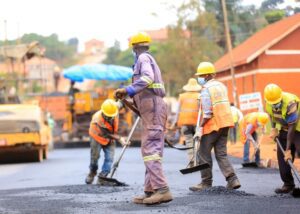
The inspection revealed encouraging progress, with major drainage works completed and asphalt laying underway on several sections. The contractors have committed to completing and handing over the roads by December 2026, subject to the availability of construction materials and resolution of the remaining challenges.
“We have made good progress since the last inspection, and most of the challenges relating to the right of way have been resolved,” Buzeki said.
Mukalazi Road, being constructed by Multiplex, is approximately 70% complete, while Muganzilwaza Road stands at 35%. Nsamba Road, under Dot Services, has also reached about 70% completion, with approximately 100 metres remaining on a section previously affected by right-of-way constraints.
The next phase includes street lighting, walkways and road markings, which will help make the completed roads safer and more accessible to different categories of road users.
At Square One in Kampala Central, substantial asphalt laying has been completed, with overall progress estimated at 42%. Earlier delays associated with a drainage crossing and the relocation of utility infrastructure have largely been resolved, allowing the works to advance.
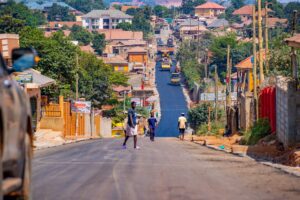
The projects also includes utility ducts that will enable service providers to relocate cables underground. This will reduce the network of overhead wires, improve the appearance of the streets and contribute to a more organised urban environment.
During the inspection, Buzeki directed supervising engineers and the contract management team to maintain close oversight of the projects, with particular attention to quality, safety and the accessibility of construction sites.
Beyond road construction, the inspection highlighted the importance of maintaining the drainage infrastructure that supports Kampala’s urban environment.
Blocked drainage channels and wastewater discharged into roadside drains were among the issues raised during the visit. Contractors were directed to clear blockages and maintain clean worksites, while residents and business owners were encouraged to avoid directing wastewater and sewage into stormwater channels.

KCCA also urged property owners to work with the National Water and Sewerage Corporation (NWSC) to connect to the main sewer system, helping protect stormwater drains and maintain a cleaner city.
Keeping drainage channels clear is an important complement to the road works, helping ensure that the infrastructure serves its intended purpose and remains in good condition.
With most right-of-way challenges resolved, KCCA is working with contractors and supervising engineers to address the remaining constraints and sustain progress towards the December 2026 handover.
A consistent supply of bitumen and other construction materials will be critical to meeting the target, alongside continued monitoring of the works.
KCCA will continue monitoring implementation to ensure that the completed infrastructure meets the required standards and delivers lasting value to the people who live, work and do business in the city.
