

The Inter-Religious Council of Uganda (IRCU) has called for the protection of indigenous medical innovations and government support to strengthen regulation of herbal medicine to eliminate fraudulent practitioners exploiting vulnerable patients.
Between 60% and 80% of Ugandans rely on traditional medicine, equating to roughly 28 million to 37 million people. It typically serves as their first line of treatment due to its affordability, cultural familiarity, and high accessibility, with roughly one traditional healer available for every 200 to 400 Ugandans
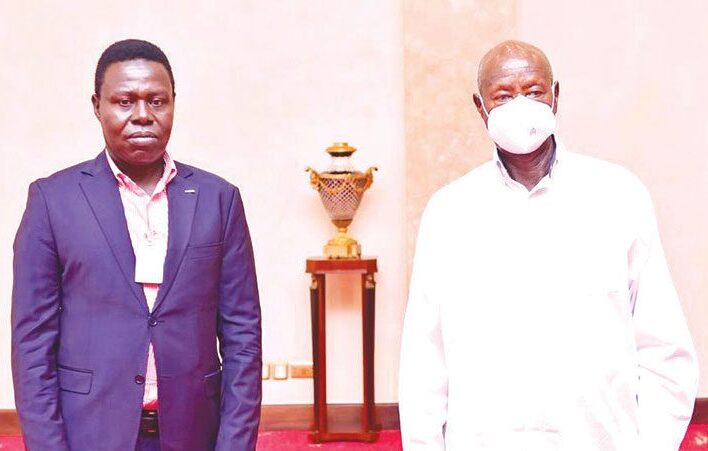
In a press statement issued on July 8, the council said it was encouraged by the government’s continued support for indigenous innovation following a meeting between the IRCU Council of Presidents and President Yoweri Museveni on June 30, 2026
During the engagement, Ugandan Herbal Researcher Mr David Ssenfuka was invited to join the President in a side meeting, where he presented his research journey and herbal formulations that he says have shown promise in the treatment of diabetes and cancer.

According to the council, the presentation focused on Mr Ssenfuka’s years of research and his vision of developing affordable treatment options for Ugandans and the wider African continent.
The council said it also heard testimonies from individuals who reportedly benefited from Mr Ssenfuka’s herbal interventions, including IRCU Secretary General Joshua Kitakule.
The religious body revealed that its relationship with Mr Ssenfuka dates back seven years, when he was introduced to the council through Bishop Joshua Lwere, a member of the IRCU Council of Presidents.
“Seven years ago, the Inter-Religious Council of Uganda met Mr David Ssenfuka through Bishop Joshua Lwere and made recommendations regarding his work. We are pleased that his efforts are now bearing fruit,” the statement said.
The council argued that Uganda possesses enormous potential in indigenous medicine due to its rich biodiversity, abundance of medicinal plants and skilled local researchers whose innovations could transform healthcare if subjected to rigorous scientific research.
“We commend His Excellency the President for supporting indigenous research and innovation, and for providing an opportunity for innovators such as Mr Ssenfuka to engage with relevant government institutions,” the council said.
The IRCU further noted that investing in credible herbal research would help build public confidence in locally developed remedies, where skepticism has persisted because many herbal products have not undergone comprehensive scientific validation.
The council said properly funded research programmes would enable Uganda to unlock the full potential of indigenous knowledge and position the country as a leader in herbal medicine and pharmaceutical innovation on the African continent.
However, the religious leaders cautioned the public against spreading misinformation or drawing premature conclusions about herbal products before they complete the necessary scientific and regulatory processes.

“The public should remain patient and responsible by avoiding misinformation, speculation or premature conclusions while the appropriate scientific and regulatory processes continue,” the statement added.
The council also called on government to strengthen oversight of the herbal medicine sector, arguing that stricter regulation would protect patients from unscrupulous individuals masquerading as traditional healers while allowing genuine researchers and practitioners to flourish.
According to the IRCU, many vulnerable patients continue to fall victim to fraudulent herbal practitioners who exploit desperation for financial gain, undermining confidence in legitimate indigenous medical research.
The council reaffirmed that faith and science should complement each other in improving human well-being, saying religious institutions remain committed to supporting responsible innovation that protects lives and advances public health.
