

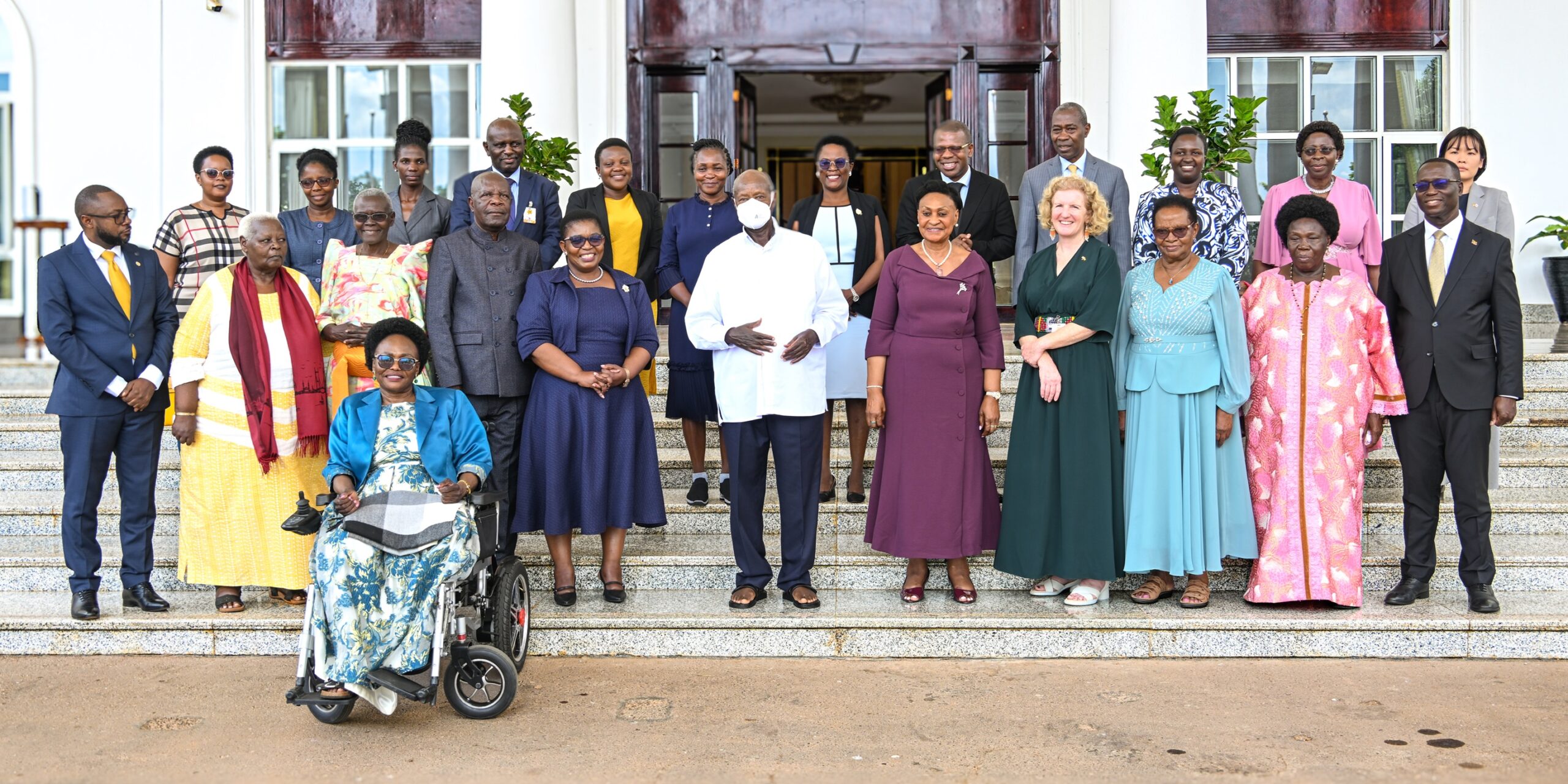
President Yoweri Museveni has a stark warning for Uganda’s youth: your days of exploiting your parents are numbered.
In a fiery declaration during the International Day of Older Persons, the President took aim at manipulative relatives who treat their aging parents as land-grabbing opportunities, openly comparing them to the biblical prodigal son. He is now demanding aggressive new legislation to legally shield Uganda’s 2.3 million elders from their own flesh and blood.
For decades, the state left elderly care entirely to the family, a hands-off approach Museveni admitted was a mistake. Now, the government is prepared to cross the threshold into the Ugandan household.
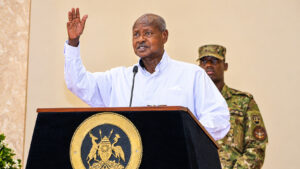
The proposed legal framework targets a toxic generational divide, forcing youth to respect their elders under threat of law. Museveni explicitly warned seniors against fragmenting their land assets among greedy children, urging them instead to lock up their wealth in modern corporate shares where entitlement-minded relatives cannot touch it.
But it isn’t just family dynamics on the chopping block—the President is completely upending how the state views the economics of aging. While local bureaucrats panic over lending state funds to citizens nearing the end of their lives, Museveni publicly humiliated parish chiefs who refuse to disburse Parish Development Model (PDM) cash to seniors. Dismissing fears that older citizens will default on loans, Museveni issued a radical directive: give them the money, and “if they don’t pay back, there is no problem.”
The overhaul extends to the healthcare sector, where Museveni blasted lifestyle-induced physical decline caused by smoking, drinking, and lack of exercise.
Flexing his own rigorous fitness regime of running and push-ups, the President launched a daily exercise chart to force seniors into action before their bones break down. To back this up, the state plans to aggressively bankroll medical scholarships, with the controversial goal of planting a specialized geriatric doctor in every single district to handle the aging population.
With revelations that over 1.6 million Ugandan elders are actually the primary breadwinners holding their households together, the narrative that seniors are a societal burden has been shattered.

Backed by international allies like Ireland, pressure is mounting as the National Council for Older Persons demands the state immediately lower the senior grant eligibility age to 65 and boost monthly payouts.
ICT Minister Justine Kasule Lumumba praised Museveni’s inclusion of older persons in leadership and noted that government health policies have significantly boosted life expectancy.
Hon. Jacqueline Mbabazi debunked the myth that elders are burdens, revealing that over 1.6 million older persons in Uganda are active household breadwinners.
Irish Ambassador H.E. Mags Gaynor praised Ugandan elders as custodians of culture and called for predictable, uninterrupted social protection funds, pledging Ireland’s continued support.

The International Day of Older Persons was designated by the United Nations General Assembly in 1990 to promote understanding, respect and support for ageing populations. Uganda started commemorating the day in 1999.
The safety gloves are off, and if Museveni gets his way, disrespecting your parents in Uganda will soon be a punishable state offense.
According to the 2024 National Population and Housing Census by the Uganda Bureau of Statistics (UBOS), Uganda possesses one of the youngest populations globally, with nearly 73% of its citizens under the age of 30. Within this dynamic demographic, youth aged 18 to 30 account for 22.7% of the total population, creating a massive workforce-age generation. This “youth bulge” offers tremendous potential to transform the country’s economy by driving local innovation, entrepreneurship, and sustainable development.
