

On October 1, 2026, Uganda marks the International Day of Older Persons under a theme that feels deeply ironic: “Ageing with Dignity: Strengthening Care and Support Systems”. But dignity cannot exist in a vacuum of structural abandonment. The blistering media briefing delivered by the Minister of State for Elderly Affairs, Hon. Jacqueline Mbabazi, did not just highlight gaps in policy; it shattered any remaining illusions of progress, exposing a grim and dangerous reality for the nation’s 2.6 million senior citizens.
Four decades after the 1982 Vienna International Plan of Action and over two decades since the 2002 Madrid International Plan of Action on Ageing, Uganda remains starkly unprepared for its aging demographic. The state’s response to its most vulnerable has been characterized by sluggish incrementalism, while the crises facing the elderly have expanded exponentially. To put it plainly, aging in Uganda has evolved from a natural milestone into a state-sanctioned sentence of poverty, neglect, and systemic violence.

The most heartbreaking facet of this crisis is the profound breakdown of the traditional social fabric. Historically, African social structures positioned the family as the ultimate sanctuary for the elderly. Today, that sanctuary has mutated into a predatory environment. The revelation that a staggering 82% of reported elder abuse perpetrators are blood relatives is a cultural emergency. Driven by economic desperation and greed, families are actively preyed upon by their own kin through predatory land grabbing, financial exploitation, and severe physical neglect.
Worse still, instead of being cared for, Uganda’s seniors have been forced to become the country’s primary safety net. A staggering 1.64 million households are currently headed by elderly individuals who are shouldering the immense weight of raising 5.9 million dependents—mostly orphans and vulnerable children left behind by a fractured social and healthcare system. Frail, aching, and exhausted, these seniors are carrying the survival of the next generation on their backs with zero structural backing.
When these citizens look to the state for a medical or financial lifeline, they find a catastrophic void. The public health sector’s infrastructure for geriatric care is virtually non-existent. Serving 2.6 million seniors with exactly one Geriatrician and four Social Gerontologists nationwide is not just a shortage; it is a total structural collapse. Combined with the fact that 95.5% of older persons lack health insurance, senior citizens are being economically bled out, forcing those on the Social Assistance Grants for Empowerment (SAGE) to spend more than 30% of their modest allowances on basic, out-of-pocket medical costs. Even the most intimate aspects of daily life are defined by indignity: 99% of elderly-headed households lack senior-friendly sit-latrines, forcing disabled and arthritic citizens to endure the physical agony of traditional squat-pits.

The government’s financial interventions, while well-intentioned on paper, amount to mere drops in a vast ocean of need. While programs like the SAGE grant support over 318,000 seniors aged 80 and above, and the Special Enterprise Grant for Older Persons (SEGOP) reaches some individuals aged 60–79, these initiatives do not match the scale of the crisis. Furthermore, structural ageism actively blocks seniors from broader economic empowerment. The 10% allocation promised to older persons under the Parish Development Model (PDM) is heavily restricted by hostile lender biases and deep-seated discrimination, keeping actual access below a pathetic 3%.
Uganda’s senior citizens face a severe healthcare deficit characterized by a near-total absence of specialized geriatric care, with only one geriatrician in the entire public sector. Additionally, 95.5% of older persons lack health insurance, forcing beneficiaries to spend over 30% of their SAGE cash transfers on out-of-pocket medical costs while 99% of elderly-headed households lack senior-friendly sit-latrines. You can read more about the healthcare situation for Uganda’s seniors in the detailed analysis.
Four decades after the 1982 Vienna International Plan of Action and over two decades since the 2002 Madrid International Plan of Action on Ageing, Uganda remains starkly unprepared for its aging demographic. The state’s response has been characterized by sluggish incrementalism, while the medical crises facing the elderly have expanded exponentially. To put it plainly, aging in Uganda has evolved from a natural milestone into a state-sanctioned sentence of physical pain, medical neglect, and structural violence.

At the very heart of this crisis is a catastrophic medical void that can only be described as a state-engineered death trap. The public health sector’s infrastructure for specialized care is virtually non-existent. Serving a population of 2.6 million seniors with exactly one Geriatrician and a mere four Social Gerontologists nationwide is not just a shortage; it is a total structural collapse. This GeriatricVoid means that the unique, complex health needs of our elderly are entirely ignored by a system that views them as invisible.
This lack of specialized doctors is compounded by a profound financial assault on the sick. An appalling 95.5% of older persons have no health insurance, exposing them entirely to the predatory realities of out-of-pocket medical bills. This InsuranceSham directly cannibalizes the government’s own social safety nets. Senior citizens enrolled in the Social Assistance Grants for Empowerment (SAGE) program are being economically bled out, forced to spend over 30% of their modest cash transfers just to buy basic, life-sustaining medication. This SAGEBleed proves that the state gives with one hand and clawbacks with the other through medical neglect.
Even the most intimate, daily physical realities of Uganda’s elders are defined by structural cruelty. Roughly 99% of elderly-headed households completely lack senior-friendly sit-latrines. Frail, aching, arthritic, and disabled citizens are forced to endure the agonizing physical demands of traditional squat-pits daily. This SanitationIndignity is a silent, pervasive torment that strips our grandparents of their basic human safety and modesty right inside their own homes.

Worse still, these ailing seniors are forced to carry the survival of the next generation on their fragile backs. A staggering 1.64 million households are currently headed by elderly individuals who are shouldering the immense weight of raising 5.9 million dependents—predominantly orphans and vulnerable children abandoned by a fractured social system. Frail, sick, and exhausted, they are acting as the country’s primary welfare system with zero medical or economic backing. They are being blocked from broader economic empowerment as well; the 10% allocation promised to older persons under the Parish Development Model (PDM) is heavily restricted by hostile lender biases and deep-seated discrimination, keeping actual access below a pathetic 3%.
If the “scientific” virtual commemoration at State House tomorrow is to mean anything beyond empty political theater, it must mark the absolute end of polite rhetoric. Minister Mbabazi’s call for a radical “tripling of efforts” must be answered immediately. Uganda must urgently pass and enforce stringent laws under a comprehensive Elder Abuse Reduction Programme to prosecute the relatives responsible for the 82% of reported elder abuse cases. More critically, geriatric medicine must be aggressively integrated into mainstream medical training, universal healthcare must be prioritized for seniors, and local governments must subsidize senior-friendly sanitation infrastructure.
Our elders are the vital custodians of Uganda’s history, culture, and heritage. They spent their youth building the foundations of the nation we enjoy today. To allow them to waste away in a MedicalDeathTrap of poverty, pain, and isolation is a moral failure that stains the conscience of the entire country. Uganda’s elderly do not need more virtual speeches; they need immediate, aggressive, and dignified medical protection.
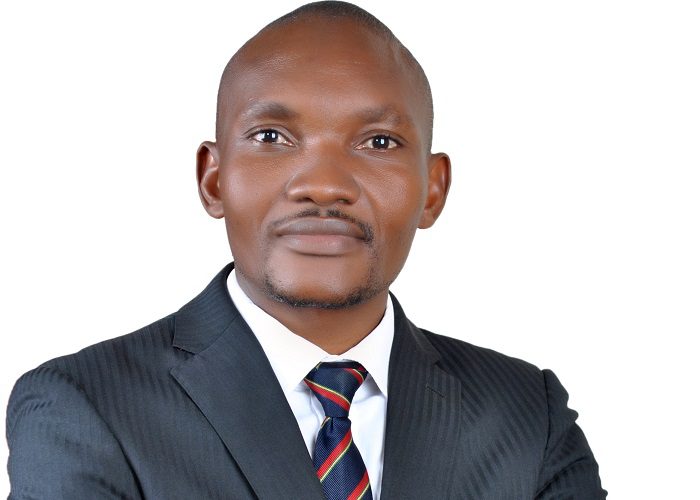
The Writer Felix Oketcho is An Urban Dweller
