

In a quiet ward at Nabukalu Health Centre III in Bugiri District the lines between childhood and motherhood are entirely blurred. Every month, this single eastern Uganda medical facility handles between 320 and 350 deliveries. Astoundingly, teenagers account for 80 to 100 of those births. Frontline health workers warn that this soaring adolescent pregnancy rate is an unsustainable “risk bomb” threatening the lives of young girls and fracturing local communities.
Medical staff report that girls as young as 14 to 16 years old are arriving at the facility physically unprepared for childbirth, facing catastrophic risks of obstetric complications.
This crisis is fueled by systemic household poverty, transactional relationships with older men, and a lack of local healthcare infrastructure. Local authorities and medical staff are urging expanded health facilities, economic safety nets to keep girls in school, and increased male engagement in family planning to combat the surge.
The sheer volume of adolescent patients has pushed clinical resources to the brink. Midwife Damalie Kiwumulo described a maternity department operating far beyond its intended limits.
“Out of the total number of between 320 and 350 pregnant mothers we work on monthly, 80 to 100 are teenagers, which is quite overwhelming to us,” Kiwumulo said. “We are getting mothers who are just 14, 15, or 16 years of age.”
The clinical strain is exacerbated by massive infrastructure gaps across the constituency. Bukhooli North Member of Parliament Jamali Ayagalachi highlighted that the government is falling short of its official healthcare directives. According to Ayagalachi, Buluguyi Sub-county, Namayemba Sub-county, and Namayemba Town Council entirely lack mandatory Health Centre III facilities. This forces vulnerable populations to travel long distances for localized reproductive care, maternal services, and family planning education.
An investigation into the uptick in adolescent admissions reveals deep links between household financial distress, school dropout rates, and sexual exploitation.
Among the girls trapped in this cycle is 14-year-old Jane Nabirye (name changed to protect her identity), who conceived while in Primary Four. She attributed her circumstances directly to household poverty.
“There were school fees to pay, and sometimes we would go to work for different people,” Nabirye shared. “That is where we found men who convinced us.”
Gabriel Odeke, the officer-in-charge of Nabukalu Health Centre III noted that peer pressure heavily drives these transactional encounters. He explained that some adolescents enter relationships with older men to obtain lifestyle items like mobile phones and fashionable clothing, exposing themselves to early pregnancy and systemic exploitation.
Efforts to mitigate the crisis through family planning are meeting stiff resistance from within local households. Health workers report that deep-seated disagreements over family size regularly compromise women’s reproductive autonomy.
Fatuma Nakisige, a local resident, stated that many women abandon their preferred contraceptive choices due to threats of domestic eviction.
“Our men attempt to chase us from their homes when we go for family planning. We therefore decide to do what they want to safeguard our marriages,” Nakisige said.
In response, Odeke stated that while Nabukalu Health Centre has partnered with World Vision to strengthen community outreach, limited resources remain a primary bottleneck. District statistics indicate that teenagers currently comprise approximately 22 per cent of all maternal cases at the facility.
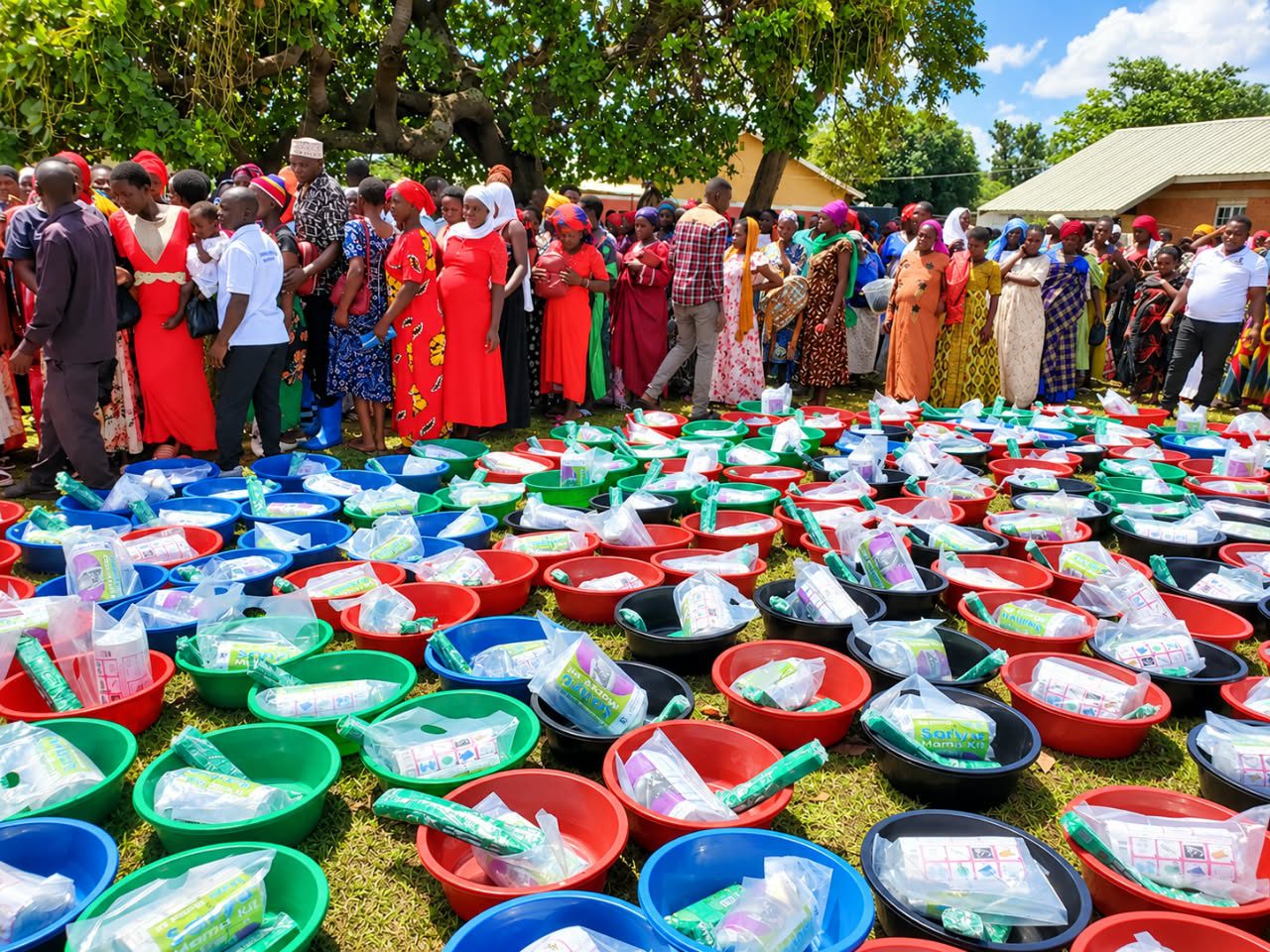
In an effort to address immediate clinical needs, MP Ayagalachi recently distributed maternity kits (Mama Kits) to more than 400 expectant mothers to support hygiene and maternal safety during delivery.
“By giving out these Mama Kits, I am trying to sensitize them because I am worried about the number of girls conceiving at an early age,” Ayagalachi said, while urging parents to align family sizes with their economic capacity. “Raising a child is very expensive, so they should reduce the overproduction of children.”
Ayagalachi called on the Ministry of Health to urgently expand healthcare infrastructure across Bukhooli North to bring primary maternal care closer to rural populations.
To defuse the escalating health crisis, local authorities and clinical staff are advocating for a three-pronged strategy:
- Enforce Parental and Male Engagement: Target men directly in reproductive health dialogues to reduce cultural resistance and domestic pushback against family planning.
- Expand Healthcare Infrastructure: Build and equip functional Health Centre III facilities across the underserved sub-counties of Buluguyi and Namayemba.
- Integrate Economic Safety Nets: Implement child protection mechanisms to keep young girls in the formal school system while providing economic support to vulnerable families.
