

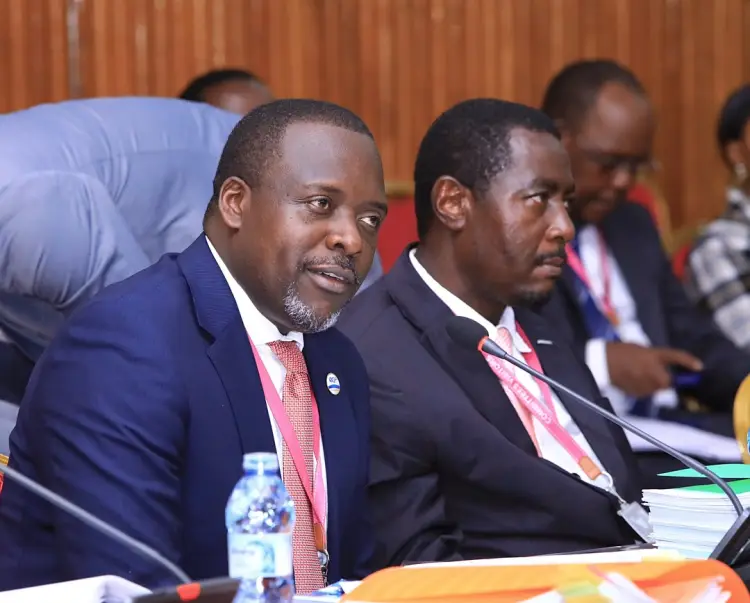
Makerere University is under fire. On Monday, October 26, 2026, parliamentarians dragged the institution’s top brass before the Public Accounts Committee, demanding answers for a growing list of failures: rampant sexual harassment allegations, a State House scholarship lockout, unaccredited courses, and the systematic silencing of student activism.
The interrogation kicked off with a direct assault on student safety. MP Annet Kirungi demanded to know how Africa’s academic giant became a hunting ground, leaving parents terrified that their daughters are trading grades for survival. While University Secretary Yusuf Kiranda hid behind bureaucratic talking points of “zero tolerance” and “ongoing investigations,” the reality remains clear: the ivory tower is losing its moral ground.
But the exploitation didn’t stop at the lecture room door. MP Gilbert Olanya exposed a ruthless administrative bottleneck that weaponized red tape against the country’s brightest minds. Makerere slammed its doors on disadvantaged science students from the Acholi sub-region, discarding their hard-earned State House scholarships simply because their names got stuck in a government paperwork limbo.
Meanwhile, the university is quietly suffocating its own legacy. Chairperson Patrick Nsamba aggressively called out management for putting Freedom Square—the historical birthplace of Ugandan leadership and political debate—under administrative lock and key. Under the guise of “advance bookings,” Makerere has successfully castrated student activism, corporate-proofing the campus to kill off the next generation of leaders before they can even speak up.
To top off the disaster, Deputy Vice-Chancellor Henry Alinaitwe brazenly begged Parliament for more cash, admitting the university expects students to survive on a pathetic Shs 4,500 ($1.20) a day for food.
Makerere is starving its students, locking out the poor, locking down free speech, and failing to protect women—all while demanding a bigger budget
