

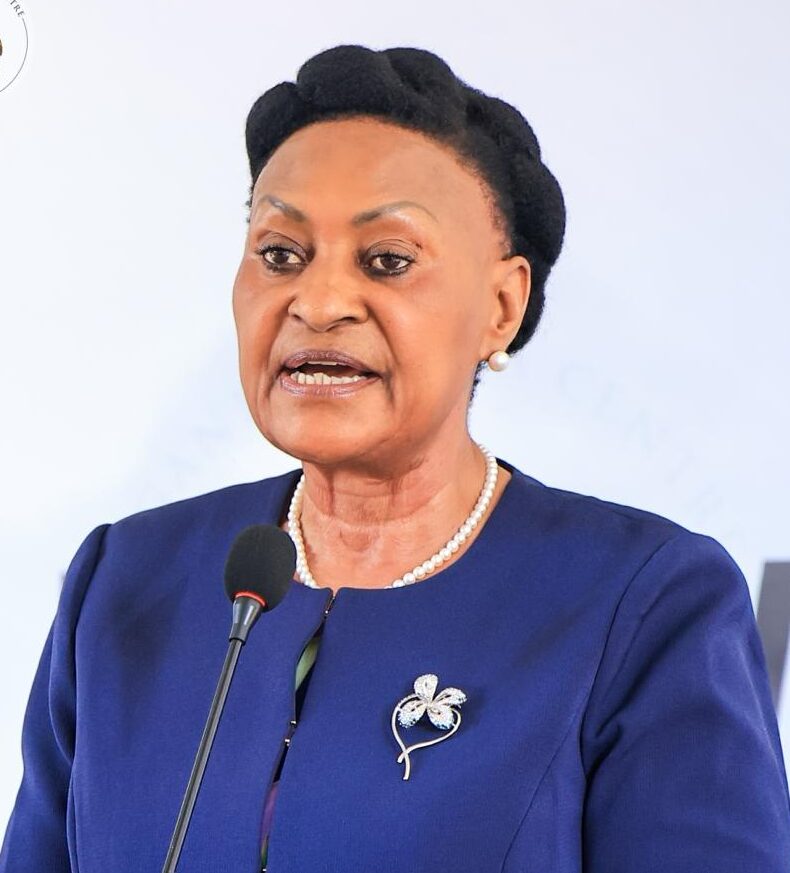
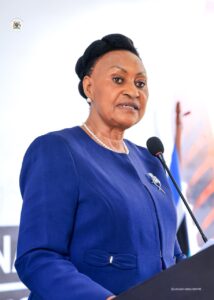
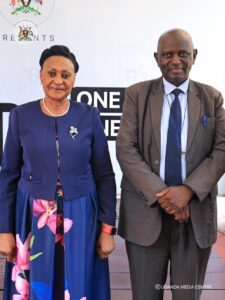
In a blistering indictment of systemic state failure, the Minister of State for Elderly Affairs, Hon. Jacqueline Mbabazi (MP), has exposed the grim, dangerous reality facing Uganda’s 2.6 million elderly citizens. Speaking ahead of the International Day of Older Persons on October 1, 2026, Mbabazi’s media statement shattered any illusions of progress, revealing that Uganda has fundamentally failed to meet international frameworks like the 1982 Vienna and 2002 Madrid action plans. The verdict is clear: the nation requires an immediate, radical “tripling of efforts” just to keep its senior citizens alive and dignified.
This year’s national commemoration will be held under the ironically demanding theme: “Ageing with Dignity: Strengthening Care and Support Systems.”
The most damning revelation exposes a culture of domestic betrayal. A shocking 82% of reported elder abuse perpetrators are blood relatives. Instead of being protected, Uganda’s seniors are being preyed upon by their own families through:
- Predatory land grabbing that strips them of their lifelines.
- Severe physical neglect left unchecked by local authorities.
- Systemic financial exploitation targeting their meager resources.
Compounding this betrayal, the burden of national survival has been unfairly shoved onto the frailest shoulders. A staggering 1.64 million households are currently headed by elderly persons. These seniors, who should be resting, are carrying the immense weight of raising 5.9 million dependents—predominantly orphans and vulnerable children abandoned by a fractured social system.
The state’s infrastructure for older persons is virtually non-existent, creating what can only be described as a medical death trap:
- The Geriatric Void: To serve a population of 2.6 million seniors, Uganda employs only one Geriatrician and a mere four Social Gerontologists in the entire public sector.
- The Insurance Sham: An appalling 95.5% of older persons have no health insurance. Seniors enrolled in the SAGE grant are forced to bleed out over 30% of their modest allowances just on out-of-pocket healthcare costs.
- Sanitation Indignity: Roughly 99% of elderly-headed households lack senior-friendly sit-latrines. Frail, aching, and disabled citizens are forced to endure the agonizing physical demand of squat-pits daily.
- Financial Ageism: While the government boasts a 10% allocation reserved for older persons under the Parish Development Model (PDM), actual access remains below a pathetic 3% due to rampant, deep-seated ageism and hostile lender biases.

In response to the crisis, the government pointed to its existing social safety nets, which critics argue are merely drops in the ocean:
- SAGE Grant: Provides basic income support to 318,649 older persons (primarily those aged 80+) during FY 2025/2026.
- SEGOP Grant: The Special Enterprise Grant has reached 18,631 individuals aged 60–79 across 2,948 groups, handing out up to UGX 5 million per group for livelihood projects.
- Systemic Overhauls: The Ministry claims it is actively developing an Elder Abuse Reduction Programme to finally tighten reporting and prosecute abusers.
The 2026 International Day of Older Persons will take place virtually tomorrow, Thursday, October 1, 2026, at State House, Entebbe, with President Yoweri Kaguta Museveni presiding as Chief Guest. Due to strict structural guidelines, the event will be broadcast “scientifically” across nationwide television, radio, and digital media platforms.
Minister Mbabazi issued a fierce rallying cry to families, local governments, and the press to forcefully reject ageism. Uganda’s elderly must no longer be treated as passive, disposable burdens, but fiercely protected as the vital custodians of the nation’s heritage. The time for polite rhetoric is over; without immediate intervention, aging in Uganda remains a sentence of poverty and neglect.
