

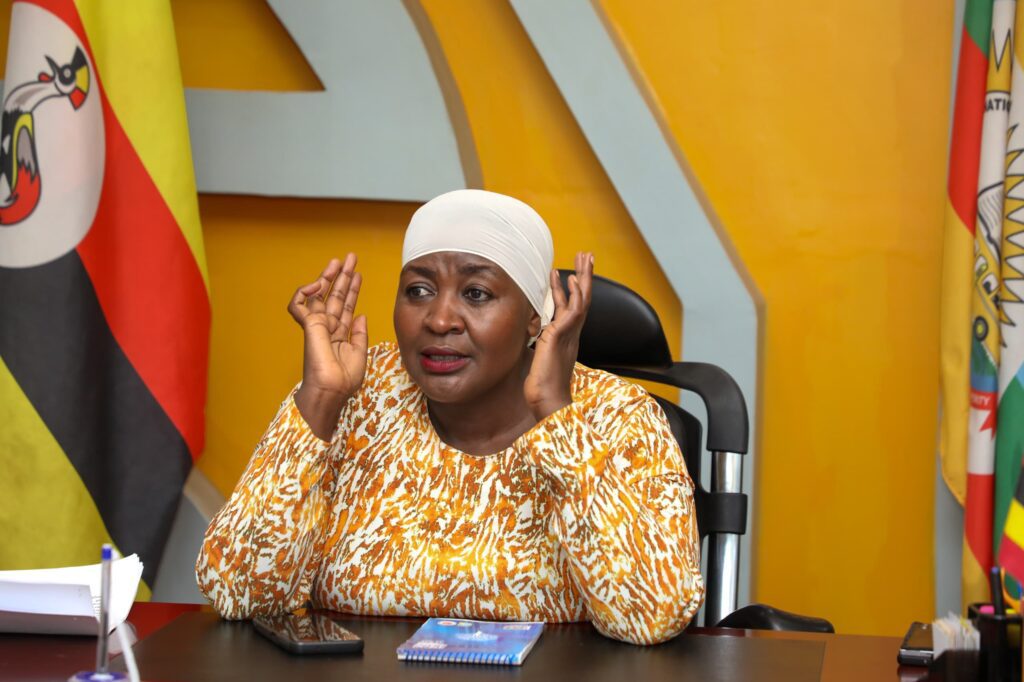
The Manager of the Office of the National Chairman (ONC), SPA Hadijah Namyalo Uzeiye, has demanded a forensic audit into Shs 1.71 trillion handled by the Uganda Electricity Distribution Company Limited (UEDCL). The call follows persistent countrywide electricity supply challenges, prolonged power outages, and severe connection backlogs.
Namyalo raised these demands during a meeting with officials from the Electricity Regulatory Authority (ERA) at the ONC offices. The ERA delegation, led by Principal Engagement Officer Ibrahim Kasita and Costa Nantume from the Consumer Affairs Department, visited the ONC manager to respond to her recent public concerns regarding the poor performance of UEDCL.
During the meeting, Kasita acknowledged the persistent electricity disruptions but attributed them to vandalism, network constraints, and rapidly growing demand. He clarified that Uganda’s power issues do not stem from a lack of generation capacity, but rather from weak transmission and distribution infrastructure.
“By the end of 2025, Uganda’s installed generation capacity stood at approximately 2,098 megawatts, against a maximum demand of 1,345.3 megawatts,” Kasita explained. “However, overloaded transformers and substations, aging equipment, and network faults continue to affect reliable delivery to consumers.”
While Namyalo welcomed ERA’s willingness to engage, she insisted that Ugandans deserve immediate solutions rather than explanations. She urged Parliament to investigate the massive delays affecting customers who have already paid for electricity connections.
“We need a forensic audit of the Shs 1.71 trillion reportedly handled by UEDCL to establish how the money was utilized,” Namyalo stated. “Parliament should also investigate the outstanding connections and establish why customers who have paid are still waiting for electricity.”
She also questioned whether the responsible institutions possess sufficient manpower to address the crisis, calling for a stronger, more coordinated response. Namyalo emphasized that unreliable electricity severely damages rural communities and small businesses—such as welders, salon operators, and maize millers—whose livelihoods depend on stable power. She noted that these communities are central to President Yoweri Museveni’s socio-economic transformation agenda.
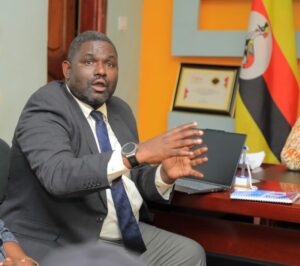
In response to the pressure, Kasita assured the ONC manager that Ugandans would see noticeable improvements in electricity supply within the next six months.
To resolve the crisis, UEDCL has connected approximately 159,000 customers year-to-date and targets clearing the entire connection backlog by December 2026. Delays were attributed to shortages of electricity meters and connection materials and replaced 1,110 distribution transformers in the year leading up to July 2026.
UEDCL is also expanding on doubling the Kawanda Substation capacity from 40 MVA to 80 MVA, developing a new substation in Matugga, and fixing recurring faults in Entebbe, Namasuba, and Kisubi.
Namyalo urged ERA, UEDCL, the Uganda Electricity Transmission Company Limited (UETCL), and the Ministry of Energy to collaborate closely to ensure these promises yield tangible results.
Public anxiety over electricity reliability has been high following UEDCL’s takeover of national distribution operations from Umeme in April 2025.
