

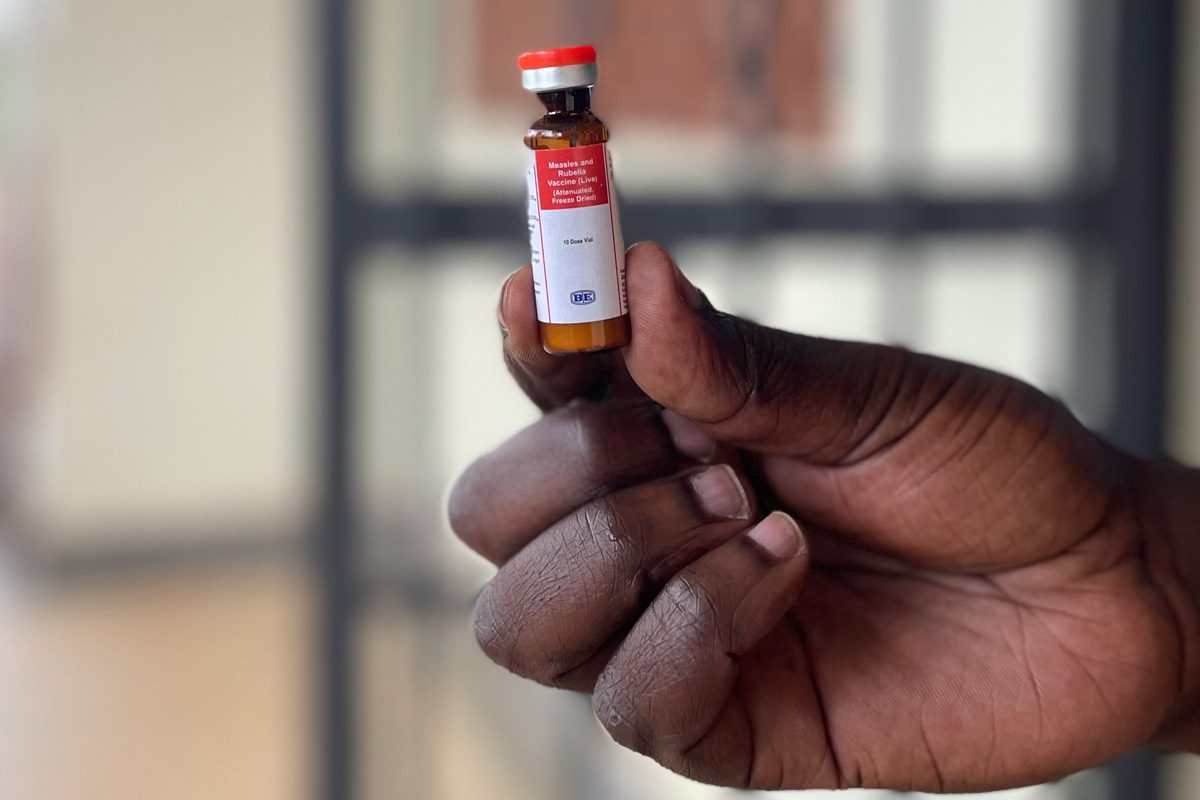
Measles outbreak has hit 20 districts in Uganda resulting in 12 deaths and primarily affecting children under five.
The Ministry of Health has announced a nationwide vaccination campaign for October 2026 to curb the spread of the contagious disease.
Director General Health Services, Dr. Charles Olaro at the Ministry of Health said Measles is highly contagious. If one person has it, up to 9 out of 10 people who come into close contact with that person will become infected if they are not protected.
The Ministry of Health has reported a surging measles outbreak currently affecting 20 districts, with children under the age of five bearing the brunt of the infections.
D Dr. Charles Olaro revealed that 75 percent of all recorded cases involve young children. Health officials have linked the rapid spread to a failure by parents to complete the two-dose Measles-Rubella vaccine schedule. Other contributing factors include malnutrition and delays in seeking medical attention once symptoms appear.
“Uganda is currently experiencing an increase in cases of measles, a highly contagious and potentially deadly disease, especially among children who have not been fully immunized,” Dr. Olaro stated.
The ministry has confirmed 12 measles-related deaths so far. These fatalities occurred in the districts of Kagadi, Kikuube, Adjumani, Bulambuli, and Karenga. Other affected districts under close monitoring include Kassanda, Amolatar, Kibaale, Nwoya, Amuru, Agago, Kiboga, Kyegegwa, Kaabong, Kotido, Kween, Lira, Sembabule, Gulu, Kazo, and Mubende.
In response to the growing threat, the government is intensifying targeted vaccination drives and strengthening disease surveillance in all high-risk areas. Dr. Olaro noted that many children are missing the critical second dose typically administered at 18 months, which leaves them vulnerable.
To close these immunity gaps, the Ministry of Health will launch a massive nationwide Measles-Rubella (MR) vaccination campaign from October 1 to 5, 2026. This five-day exercise targets all children aged 9 to 59 months, including those living in refugee settlements. The campaign will provide the vaccine to every child in this age bracket, regardless of whether they have been previously immunized.
Health officials are urging parents to remain vigilant and cooperate with medical teams during the upcoming drive. The ministry emphasized that complete vaccination remains the only effective way to prevent deaths and interrupt the transmission of the virus across the country.
in the early 1990s, the country conducted catch-up measles vaccination campaigns, targeting children between 6 months and 15 years, and the disease started to disappear.
Uganda first introduced the measles vaccine in 1981, but coverage hovered around 34% for the first few years, in part because of civil and political unrest. The country launched its national Expanded Programme on Immunization, known as UNEPI, in 1983 to push ahead. In 1986, the advent of a new, more stable government permitted real progress on coverage to pick up.
By 1990, measles vaccine coverage was at 63% and climbing. During a landmark vaccination push in 1999–2000, the country inoculated millions of children between six months and five years, to protect them from the disease.
