

Micro, Small and Medium Enterprises (MSMEs)have been urged to formalize their businesses in order to unlock growth opportunities and improve competitiveness.
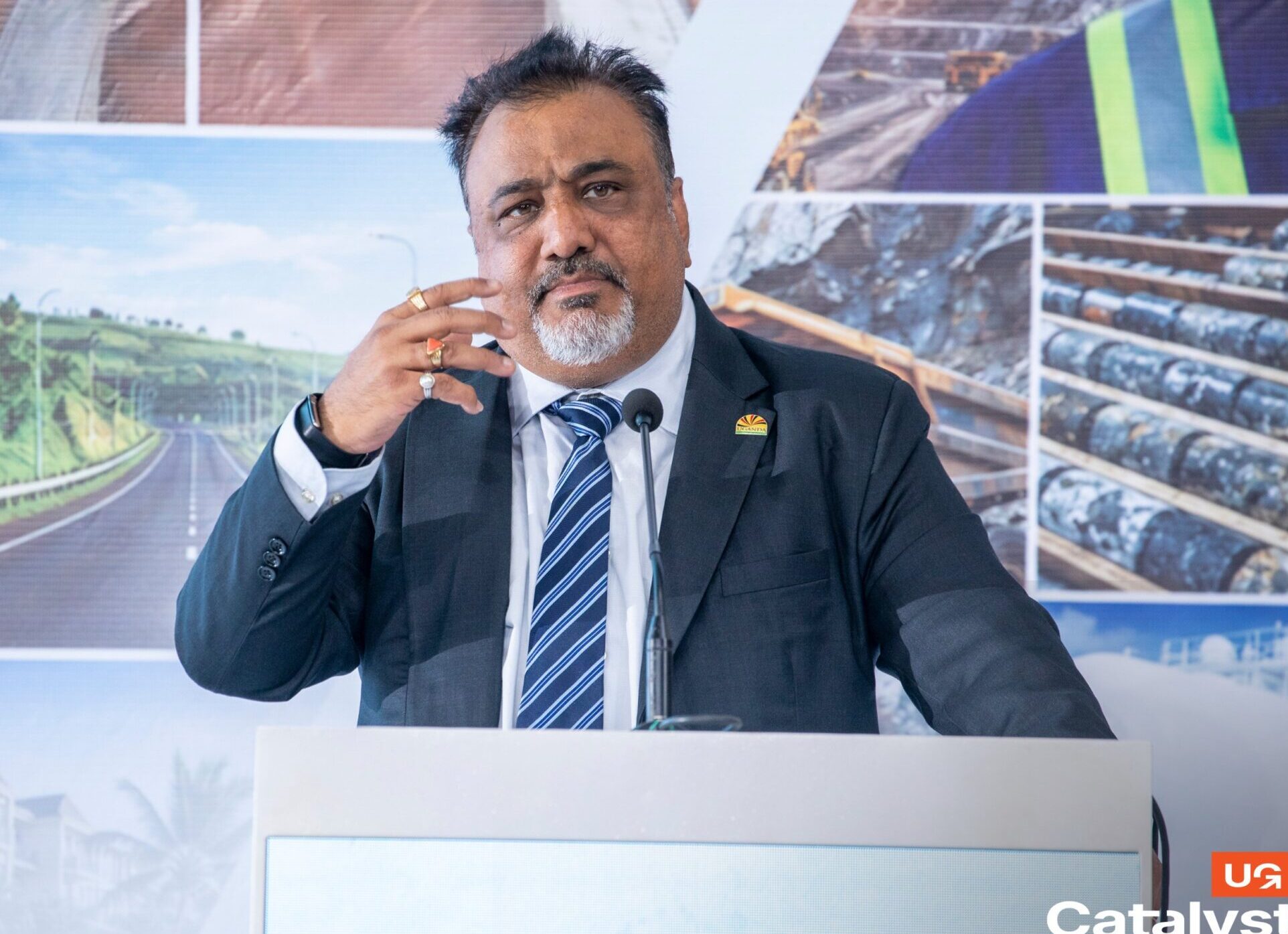
Minister of Trade, Industry and Cooperatives, Sanjay Tanna,emphasized the central role MSMEs play in Uganda’s economy, noting that they account for about 99 percent of all businesses, contribute roughly 75 percent of Gross Domestic Product (GDP), and employ more than three million people.
“MSMEs are the backbone of our economy. Their growth and sustainability are vital for job creation, domestic revenue generation, and inclusive economic development,” he said.

Officiating at the UG Catalyst Summit and the commemoration of United Nations MSMEs Day event at MoTIV Hub in Kampala.he acknowledged persistent challenges in the sector, including limited access to affordable financing, restricted market access, low uptake of digital technologies, climate-related disruptions, and difficulties in meeting international quality standards.
The summit, held under the global theme “Reducing barriers for MSMEs to enter the formal economy: Formalize to rise,” brought together policymakers, private sector actors, development partners, academia, and entrepreneurs to discuss challenges facing small businesses and explore practical solutions.
Tanna an entreprenuer praised Ugandan entrepreneurs for their resilience and innovation, pledging continued government support to help enterprises transition from informal setups into competitive, export-oriented businesses.

Tanna said the Ministry is finalizing key policy frameworks, including the Startup Development Policy and the Business Development Standards Policy, aimed at improving the regulatory environment for emerging enterprises.
The UG Catalyst Summit is intended to align enterprise development with Uganda’s Fourth National Development Plan (NDP IV) and the Tenfold Growth Strategy, focusing on sectors such as agro-industrialization, tourism, mineral development, and science, technology, and innovation.
“These efforts are designed to strengthen coordination among institutions, promote technology transfer, and support value addition across key sectors of the economy,” he said.

He reaffirmed government commitment to expanding infrastructure, industrial parks, free zones, and incubation centres to support MSME growth.
“As government, we remain committed to boosting productivity, expanding market access, and creating jobs. MSMEs will continue to play a central role in driving Uganda towards a modern and prosperous economy,” he said.
To drive formalisation and growth, he cited interventions including TREP, EFRIS, and One-Stop Business Centres, noting that qualifying startups can now enjoy a three-year tax holiday under the revised Income Tax Act 2025.
The Ministry is also advancing key policy frameworks, including revision of the MSMEs Policy (2015), the Startup Development Policy (soon for cabinet approval), and the Business Development Standards Policy among others The Minister pledged continued government investment in productivity, value addition, market access, industrial parks, free zones, and business incubators.

Prof. Pamela Mbabazi, Chairperson of the National Planning Authority highlighted the critical role of enterprise in driving economic growth and transforming opportunities into meaningful impact.
She said that government alone cannot build a $500 billion economy but government can create the enabling environment, but enterprise creates wealth
The Ug Catalyst has brought together leaders, businesses, and innovators to explore how collaboration can accelerate Uganda’s growth journey.
The UN MSMEs Day is celebrated every year 27th June to recognize the importance of MSMEs in the global economy. In Uganda, MSMEs make up about 99% of businesses,contribute around 75% to the GDP, & employ over 3M people, creating more than 80% of domestic revenue
