

Civil Society Organisations have drcried low numbers of psychiatrists in the country to handle rising cases of mental health diseases.
Dr Julie Nakku the Executive Director of Butabika Hospital says there are only around 50 to 60 psychiatrists in the entire country with the vast majority of these professionals and specialized psychiatric nurses concentrated in urban centers hence severely limiting access for rural populations.
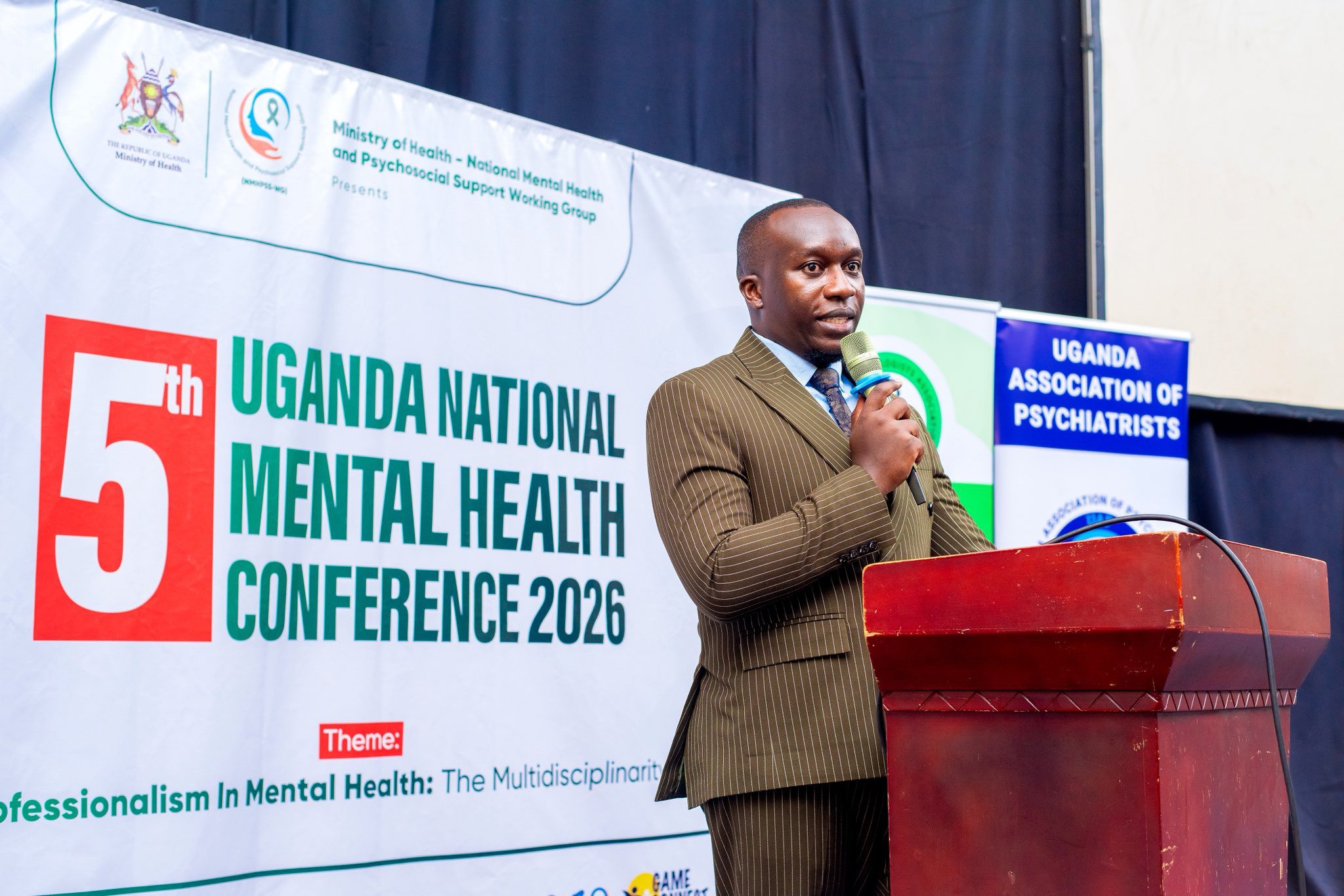
Presenting akey note address at the 5th National Mental Health Conference under the theme “Professionalism in mentl health:th Multidisplinarity”in Kampala Dr Nakku noted that Uganda is facing a “silent emergency” in mental health, with national reports indicating that roughly 24% of adults and 23% of children live with a mental condition.
She further said the rising youth unemployment, poverty, and past trauma are driving this crisis, yet deep-seated stigma and a severe lack of resources leave millions untreated.
“With over 70% of the population under 30, high rates of youth unemployment and economic hardship have led to increased hopelessness, depression, and substance misuse,”Nakku stated.
The State of Uganda Population Report estimates that over 14 million Ugandans are affected by mental illnesses, including depression, anxiety, and trauma-related disorders.
Dr Kenneth Kalani, a psychiatrist and Senior Medical Officer in the Ministry’s Mental Health Division, said mental health today requires more than clinical expertise but collaboration across professional institution,sectors and communities.
Effective mental health systems are built when psychiatrists,psychologists,pscyhiatric nurses,social workers ,counsellors,public health professionals ,educators,researchers ,community structures and service users together toward a common goal.
“As ministry of health we recognise that mental health remains a essential pillar within the broader non commensurable diseases agenda and within our commitment to universal health coverage ,over the years ,Uganda has made progress in inter-grating metal health into primary health care ,strengthening referral systems ,expanding capacity building and embedding mental health and psychosocial support within emergency preparedness and response,”he stated.
