

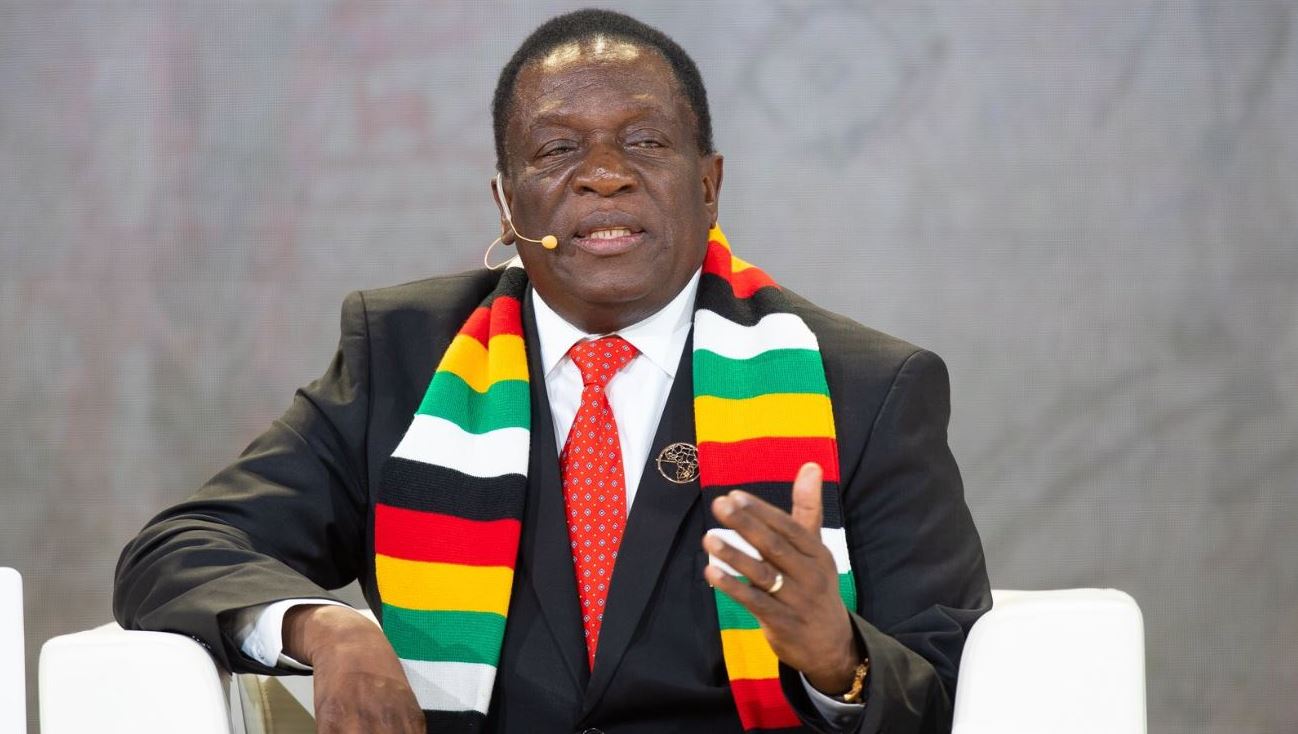
Zimbabwean President Emmerson Mnangagwa has signed into law a constitutional amendment extending his presidency to 2030, cementing a controversial political reform that also paves the way for future presidents to be elected by Parliament instead of through a direct popular vote.
The legislation, which was approved by both houses of Parliament last month with the backing of the ruling ZANU-PF party and the Cabinet, grants Mnangagwa an additional two years in office beyond the expiry of his current term. Government spokesperson Nick Mangwana confirmed the development on Tuesday, announcing on social media that the bill had been “signed, sealed and delivered” after receiving presidential assent.

The constitutional amendment represents one of the most significant political changes in Zimbabwe in recent years. In addition to extending the current president’s tenure, it fundamentally alters the country’s electoral system by providing for future presidents to be elected by members of Parliament rather than directly by Zimbabwean voters. The move is expected to reshape the country’s political landscape and has already sparked widespread debate over the future of democratic governance in Zimbabwe.
Plans to extend Mnangagwa’s stay in power have been in discussion for nearly two years. During that period, supporters at ZANU-PF rallies repeatedly called for the president to remain in office beyond his constitutionally mandated second term, arguing that he needed more time to implement his political and economic agenda. The proposal later received formal endorsement from the ruling party before securing Cabinet approval in February and eventually passing through Parliament.

The constitutional changes are expected to face stiff opposition from opposition political parties, constitutional experts and civil society organisations, many of whom have consistently accused the government of eroding democratic institutions and consolidating executive authority. Critics argue that replacing direct presidential elections with a parliamentary vote could weaken citizens’ ability to directly choose their head of state.
Supporters of the amendment, however, maintain that the reforms will provide political stability and continuity, allowing Mnangagwa’s administration to complete its development agenda while strengthening governance structures.
With the legislation now in force, Zimbabwe enters a new constitutional era that is likely to have lasting implications for the country’s democratic processes and political future, as both domestic and international observers closely monitor how the changes are implemented.

Zimbabwean President has been in power since November 2017. He recently signed constitutional amendments extending his current tenure to 2030, which will make his total time in office around 13 years by the end of this term. He initially took over after longtime leader Robert Mugabe, who ruled for nearly 4 decades
The newly passed constitutional amendments replace direct popular votes for the presidency with a system where lawmakers appoint the leader. Critics have labeled this a “constitutional coup” because it heavily diminishes the electorate’s say in choosing the head of state
Mnangagwa previously pledged in 2018 to respect constitutional term limits and step down after a maximum of 10 years. Extending his time in power until 2030 breaks that commitment and echoes the pattern of lifelong, entrenched incumbency seen under his predecessor, Robert Mugabe.

Independent election monitors and international watchdogs have repeatedly cited election fraud, intimidation of activists, and suppression of opposition voices. The ruling party’s supermajority in parliament has allowed it to alter the constitution without a public referendum, overriding institutional checks and balances
Supporters of the changes, including members of his cabinet, argue that the term extensions and restructured voting systems are designed to foster political stability, allow development programs to reach completion, and maintain vital policy continuity
