

In astrategic move aimed to bloster ugandas clean energy up take, Equity Bank rolled out an aggressive financing plan aimed at making solar systems, clean cook stoves, and other renewable energy solutions cheaper for households, schools, farmers, and small businesses.
Equity Bank launched its green energy finance program in Uganda, known as the Equi-Green Loan, on June 15, 2022. The product was established in partnership with the Uganda Energy Credit Capitalisation Company (UECCC) and was introduced to increase household and business access to renewable clean technologies.
The financing covered solar home systems, clean cooking stoves for schools and homes, water storage tanks, and solar-powered irrigation schemes and Since its launch, the bank has disbursed over UGX 22 billion through the program, enabling tens of thousands of clean energy products to reach Ugandans.
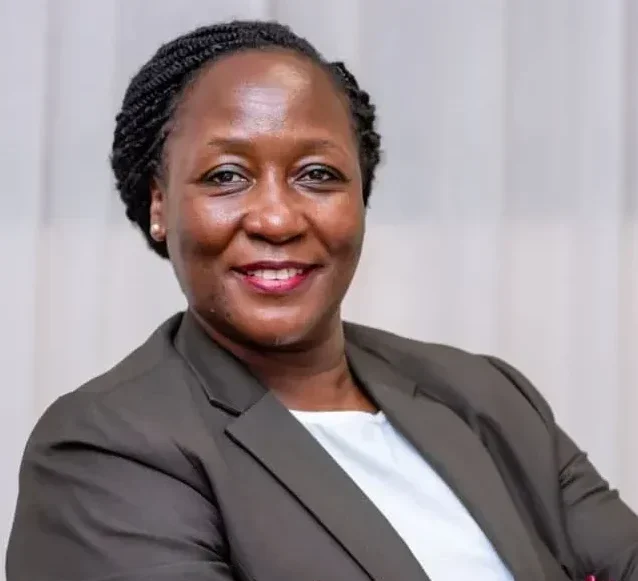
Virginia Semakula, Equity Bank’s Head of Energy, Environment and Climate Change, says the banks says many Ugandans want solar systems, clean cook stoves, and renewable energy solutions, but the initial costs remain too high for households and small businesses.
She adds that government tax waivers on solar products have helped, but loan terms also need to change. Most banks offer 12-month loans, yet solar and clean energy systems make sense only with longer repayment periods.
“ At Equity Bank we have more flexible financing with lower interest rates and longer repayment periods, especially for solar technologies. A 24-month repayment structure works much better for many customers,” Semakula explained.
Through Equity Bank green loan products like Equi-Green Loans and Green Enterprise Financing families and businesses have switched from charcoal, kerosene, and firewood to cleaner options.
Semakula says rural homes are spending less on fuel and breathing cleaner air. Salons, shops, and agro-processors are using solar to stay open longer and reduce electricity bills for example In Alebtong district, schools with new solar power say students can study at night, enrollment has risen, and grades have improved.

“In some schools, electricity access has changed everything. Students can now study longer, enrollment has increased, and schools even recorded improved academic performance,” Semakula explains.
Equity’s long-term goal is to make green loans as normal as school fees loans or boda boda financing. With Pay-As-You-Go models, the bank believes Uganda can scale clean energy nationwide without pushing families into debt.
“Our vision is a Uganda where every household and business can access clean energy without taking on unmanageable debt,” Semakula stressed.
The bank estimates that if financing barriers keep falling, Uganda’s green energy sector could attract hundreds of millions of dollars in investment.
“For Equity, clean energy is not just about the environment anymore.Clean energy is about better health, lower costs, improved education, stronger businesses, and better livelihoods. That is the future we are financing,” Semakula added.
The bank is partnering with 18 clean energy providers and utilizing Results-Based Financing to make solar panels and clean cookstoves as common and accessible as school fees loans.
Financing is now available for households, schools, farmers, and small enterprises, with target industries expanded to include waste management, green mobility, sustainable tourism, and green manufacturing.
The bank is aso running “Green Friday” awareness drives and expanding community-based financial literacy programs in rural regions to promote the use of clean energy.
According to Ministry of Energy,over 90% of the total population relies on biomass (firewood and charcoal) for cooking and only 20% of the population connected to the national grid.
