






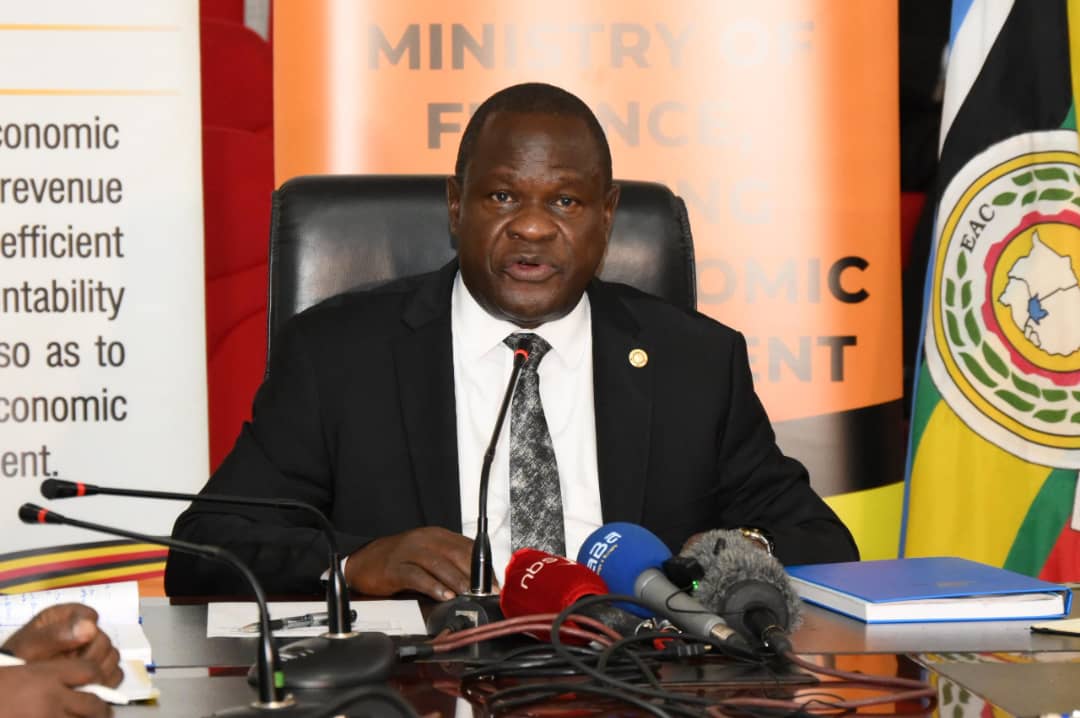
The Government of Uganda has released Shs 21.82 trillion for the second quarter of the 2026/27 financial year.
The funds are carefully programmed to shield essential public services as the country faces intense economic headwinds, including a record-low shilling, a widening trade deficit, and rising international oil prices.
Nearly half of the entire quarterly budget is consumed by debt operations, leaving the rest divided among wages and critical development projects.
According to the release Debt & Treasury Operations takes Shs 10.75 trillion (49.2% of total allocation),Salaries & Wages: Shs 2.42 trillion,Pensions & Gratuities: Shs 376.6 billion and Arrears Clearance Shs 130 billion (for verified utility, salary, and pension debts)
The release comes at a critical time as global tensions and high import demands shock the local economy
The Ugandan shilling recently crashed past Shs 4,000 per US dollar, marking its lowest nominal level in history. The currency has depreciated by 6% since August 2026.
Driven by expensive energy and manufacturing imports, the merchandise trade deficit ballooned to $1.04 billion in July and August 2026, up from $383.07 million the previous year.
To tighten liquidity and fight a headline inflation rate that crept up to 4.6% in September, the Bank of Uganda aggressively raised the Central Bank Rate to 12% (up from 9.75%).
Despite these pressures, the Ministry of Finance maintains the economy is resilient, pointing to a 6.4% GDP growth in the 2025/26 financial year and a strong $6.7 billion in foreign exchange reserves.
Outside of statutory obligations, the government is prioritizing the Agro-industrialisation, Tourism, Mineral-based development, and Science (ATMS) framework to drive its Tenfold Growth Strategy:
To counter non-essential spending, Patrick Ocailap, the Deputy Secretary to the Treasury, announced strict enforcement of the Budget Discipline and Accountability Charter:
The government has officially discontinued state-funded celebrations for public holidays (excluding religious holidays).
Accounting officers are barred from creating new financial arrears or implementing unapproved supplementary budgets.
The state is shifting heavily toward electronic government procurement and centralizing counterpart funding for foreign-aided projects to curb corruption.


