
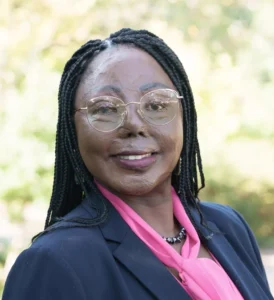





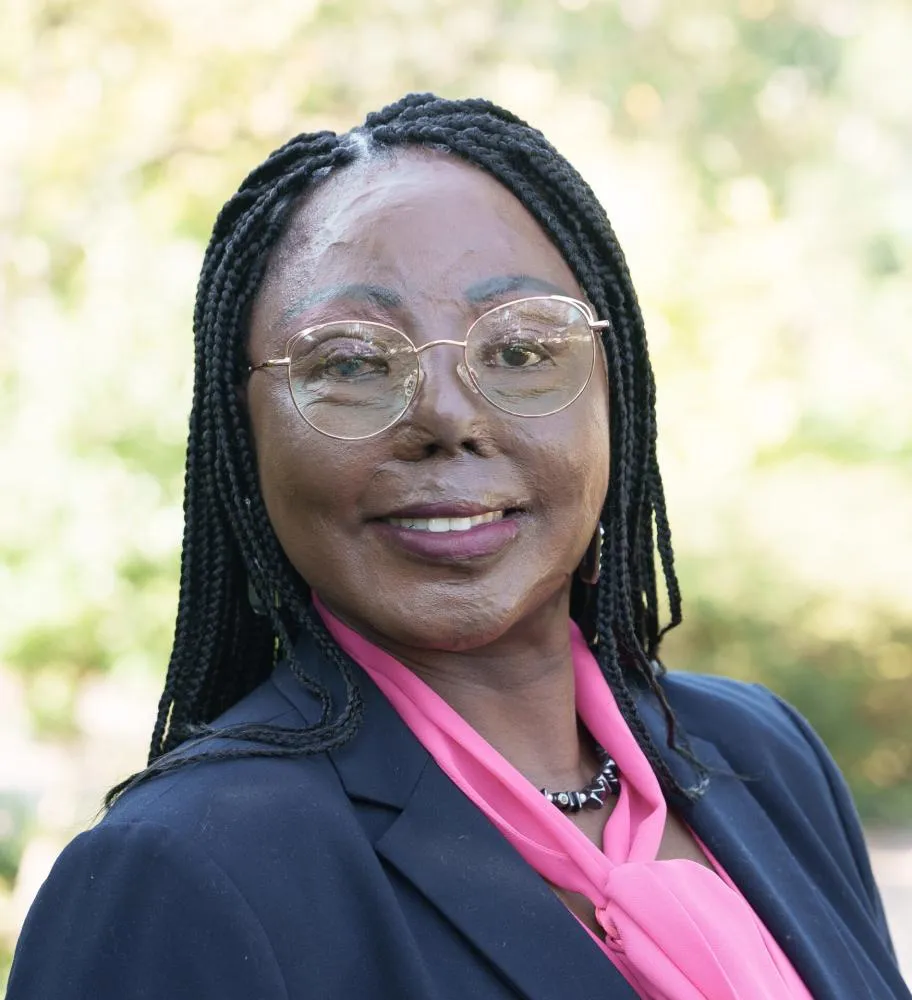
For fifteen years, Hanifah Nakiryowa has carried the brutal, agonizing reality of her trauma written directly onto her skin. Her face, surgically reconstructed after a horrific 2011 acid attack, stands as a permanent monument to a nightmare that most would try to bury. But while Hanifah spent a decade and a half navigating the physical and psychological debris of that day, the elite halls of Makerere University chose to look away. For fifteen years, the institution allowed the man she openly accuses of masterminding the attack—her ex-husband, Associate Professor Faisal Buyinza—to thrive in comfort, prestige, and institutional power.
But Hanifah refused to remain a hidden casualty. When the formal justice system failed to deliver accountability between 2011 and 2014, and when institutional apathy threatened to erase her story, she weaponized her own survival. She did not wait for permission or institutional blessings; she forced the world to look. Through a relentless digital campaign and the raw vulnerability of her shared experiences, Hanifah turned her private agony into a very public reckoning.
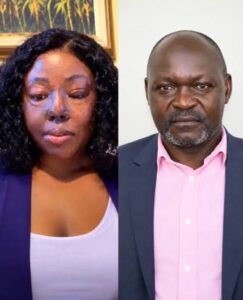

“This gentleman is the reason I look like this today,” Hanifah recently declared to the digital court of public opinion, refusing to let Makerere pretend her alleged abuser was just another respected academic. “It has been 15 years and now it is my moment of truth.”
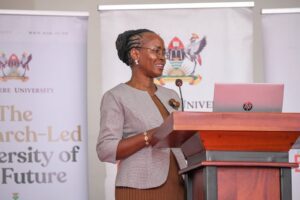
Her voice—sharp, unapologetic, and echoing across the internet—finally shattered Makerere’s decades of comfortable silence. On October 7, 2026, Acting Vice-Chancellor Professor Sarah N. Ssali ordered Buyinza to step down from his leadership positions pending an official investigation. While the university has attempted to frame this as an orderly, bureaucratic process, heavily stressing that Buyinza’s removal is a mere “administrative measure” and not a “finding of guilt,” the public narrative has already shifted. This moment is not a victory for institutional policy; it is a testament to one woman’s absolute refusal to be silenced.

The roots of this reckoning trace back to a painful turning point in 2011. After leaving a seven-year abusive marriage—an act of defiance in a traditional society where women often face systemic oppression—Hanifah went to pick up her children from her estranged husband’s home. It was there that acid was thrown into her face. The attack was so vicious that the couple’s 18-month-old daughter was also injured after rushing toward her mother’s screams. The physical toll was catastrophic: Hanifah lost her nose, the vision in her right eye, and faced severe facial deformities, beginning a grueling, multi-year journey of reconstructive surgeries.
Yet, it was during her initial recovery in the burns unit at Mulago Hospital that a broader mission was born. Surrounded by other men and women disfigured by acid, Hanifah discovered a hidden community suffering under intense stigma, discrimination, and isolation. In 2012, she founded the Centre for Rehabilitation of Survivors of Acid and Burns Violence (CERESAV). Guided by the motto “Unveiling the Scars,” the organization encourages survivors to embrace both their physical and emotional wounds without shame, while aggressively advocating for legal reforms regarding the sale and distribution of acid.
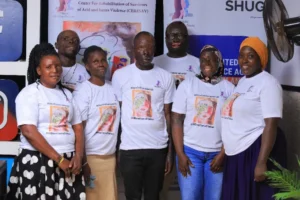
Today, at 35, Hanifah’s impact stretches far beyond Uganda. Based in Pittsburgh, Pennsylvania, she serves as a Global Health Associate for the Jewish Healthcare Foundation, channeling her advocacy skills into the Women’s Health Activist Movement (WHAMglobal) and serving on the Face Forward Patient Advocacy Board.
For years, Hanifah watched from afar as her alleged attacker-maintained authority over a university department, warning the public that he remained in a position to manipulate young women while she fought to reclaim her life. By stepping into the light and encouraging other silenced women to speak out, she single-handedly forced one of Africa’s oldest and most prestigious universities to account for the company it keeps.
Makerere’s new investigative committee has until November 6, 2026, to deliver its findings. But whatever the ivory tower ultimately decides, Hanifah Nakiryowa has already won the most critical battle: she broke the silence, she claimed her truth, and she forced the institution to finally look her in the face.


