







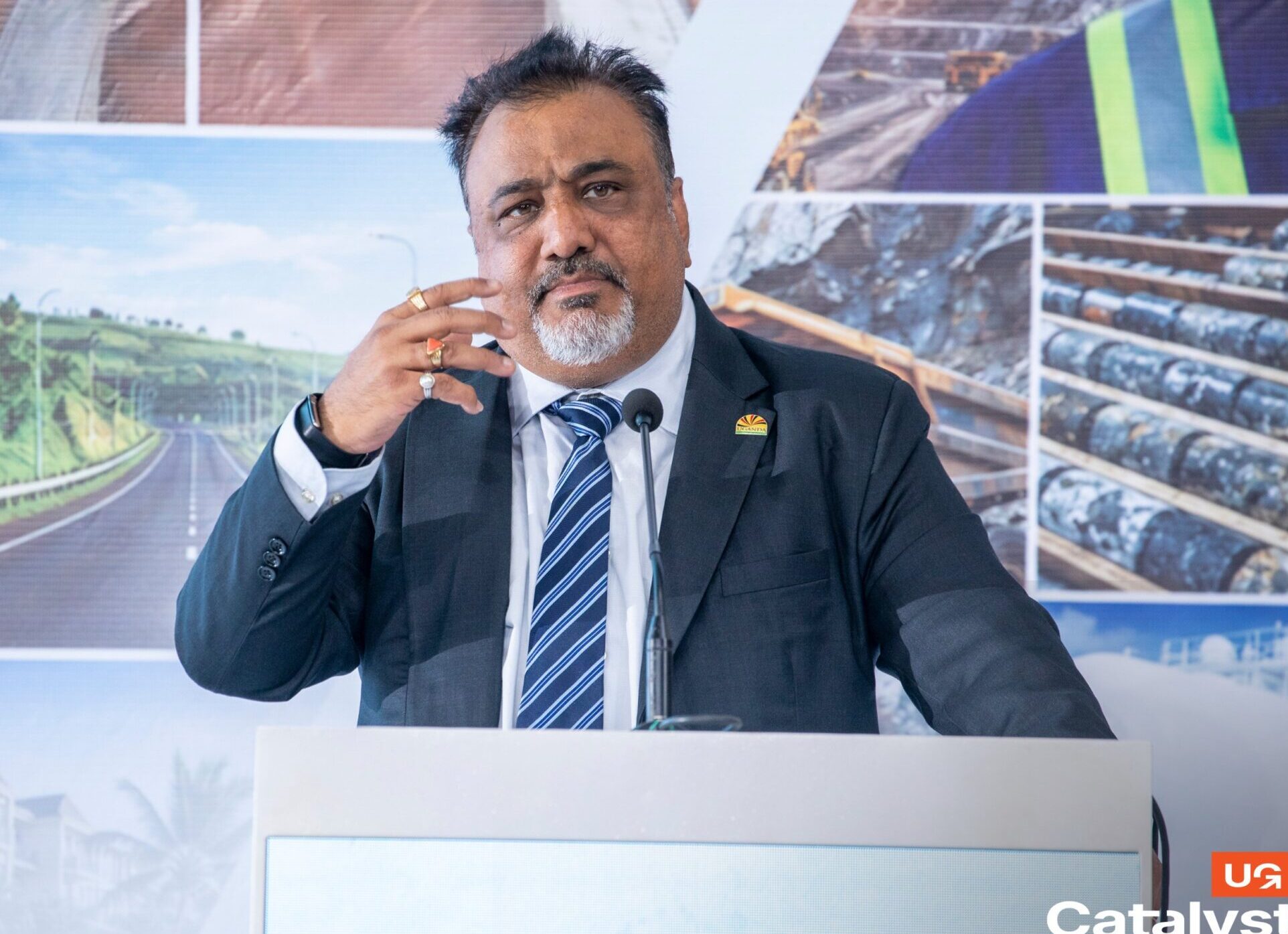
Members of the Indian community have been urged to prioritize humanity and deepen ties with host communities
Trade Minister Sanjay Tanna says economic success must be matched with respect and harmonious coexistence.
Meeting Indian community members in Jinja City Tanna said integration into Ugandan society requires more than job creation and charity.
“Members of the Indian community must prioritise good character as they contribute to Uganda’s economic transformation. Although the community has engaged in charitable activities and corporate social responsibility initiatives, the way individuals relate with their neighbours has a bigger impact on how they are perceived,”he said.


He however questioned why some members of the public appear to have different perceptions of Indians compared to other foreign communities despite the community’s contribution through job creation, tax payments and charity.
“Why is it that, when a Muzungu walks on the street and an Indian, the perception is different even when we do most of the charity? It is in how you treat people that matters and not what you give them,” he said.
He also urged the Indian community to understand and appreciate Uganda’s cultural values, saying cultural sensitivity is important in building lasting relationships.
“The Ugandan culture is so deep, and because I have lived in Africa, my culture is African too. And because we are Africans, everyone is a relative; therefore, you who are employing people, don’t express displeasure if someone informs you that they have lost their father even when you are aware that the biological parents passed away. In Africa, the brother to your daddy is equally your father; the same title can be conferred on all elders, and always exercise wisdom in such matters,” he stated.
Sanjay said failure to understand local cultural practices has contributed to misunderstandings between some members of the Indian community and indigenous Ugandans.


“You might donate blood, but how do you relate with your neighbors? We must be very careful about what we say while in public. Let us live with the local communities in harmony; let us avoid scenarios where we go into dispute with our local communities,” he stressed.
Shyam Tanna, Tororo Municipaclity legislator congratulated the community for its economic progress but urged members to build meaningful relationships with local Ugandans saying public perception is shaped by everyday interactions.
“Whenever I upload a video, at least seven out of every 10 comments are trolling me, asking why I didn’t contest in India or whether Africans can be elected leaders in India,” Shyam Tanna said. “I go through this every day, but we are to blame. How we treat local communities really matters.”
He said employees in Indian-owned businesses — including domestic workers, drivers, cleaners and casual laborers — represent the broader community, and their treatment influences public opinion.
“Let us be nice to people; the way we treat our maids at home, cleaners, drivers, casual labourers, among other indigenous Ugandans in our daily lives truly matters a lot in the journey of shaping our coexistence,” he said.


Shyam said his election success was partly built on the legacy of his grandparents, father and uncle, Sanjay, whom he described as people who respected and valued others regardless of their economic status. He encouraged members of the Indian community to support economic empowerment among indigenous communities by helping people build sustainable livelihoods.
“Strive to make the indigenous communities self-reliant, teach them how to run businesses, help them grow. In so doing, we leave behind memorable legacies, which cement our relationship with the people,” he said. He added: “When they come to you for jobs, ask them for business proposals, give them capital to run their own businesses and lead successful lives rather than reducing them to handouts, which curtails them in endless cycles of dependence, yet with the right support, they too can build sustainable economic legacies.”he emphasized.
Despite making up less than 1% of the population, the Indian community is a cornerstone of Uganda’s economy, contributing approximately 65% of the country’s income tax revenue and accounting for over 60% of the nation’s total gross domestic product (GDP)
Indian-owned businesses and individuals provide an estimated 65% of Uganda’s income tax revenue, supplying the government with the financial resources to fund education, infrastructure, and social services


