





The Church of Uganda has issued a stark warning over the escalating crisis of drug and substance abuse among young people, using this year’s Easter message to urge urgent intervention, spiritual renewal, and a united national response.
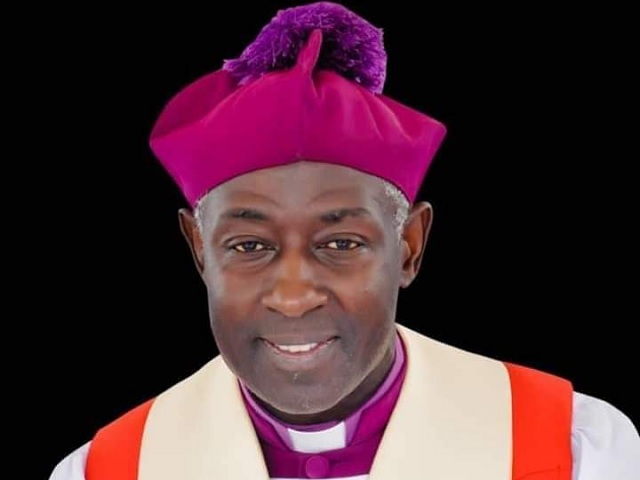
Archbishop Dr. Stephen Samuel Kaziimba Mugalu warned that widespread drug abuse is quietly eroding the country’s future.citing recent studies that found out that more than 70% of adolescents in Uganda have at some point experimented with drugs or alcohol.
“This growing wave of substance abuse among our youth is not just a health concern, but a threat to their education, character, and spiritual foundation,” he cautioned.
His message formed part of a broader Easter reflection centered on hope, transformation, and the power of Christ’s resurrection. Drawing from John 11:25–26, he challenged believers with a timeless question: “I am the resurrection and the life… Do you believe this?” — urging Christians to reflect deeply on their faith in today’s complex world.
Framing his message around the Church of Uganda’s 2026 theme, “Anchored in Christ for Unity, Stability and Peace,” the Archbishop emphasized that true stability in both personal and national life can only be found in Christ.
He called on Ugandans to reject division and embrace reconciliation, noting that peace begins with a shared commitment to faith and unity.
“To be anchored in Christ is to draw our identity, strength, and direction from Him alone,” he said.
He also acknowledged the ongoing efforts of religious leaders under the Inter-Religious Council of Uganda in promoting national cohesion following recent elections, stressing that Uganda’s future rests in collective stewardship.
“Uganda does not belong to one group or party—it belongs to all of us,” he added.
He however outlined steps the Church is taking to confront the youth drug crisis head-on.
Through its Drug Prevention Programme, the Church has rolled out a comprehensive training manual targeting schools and universities under its foundation. The initiative equips teachers, chaplains, parents, and administrators with tools to detect early warning signs of substance abuse and offer timely intervention.
The manual, recently commissioned during the Directorate of Education Thanksgiving, provides a structured, faith-based approach to prevention, counseling, and rehabilitation.
“This is a responsibility we must all share,” the Archbishop urged. “Let Christ be the anchor of our young people—not drugs.”
The Archbishop praised Uganda’s continued hospitality in hosting over two million refugees, describing it as a testament to the country’s compassion and solidarity.
He further called on citizens to draw inspiration from national and regional anthems, which he described as enduring prayers for unity and peace.
The Archbishop also highlighted his participation in the Global Anglican Future Conference (GAFCON G26) in Abuja, Nigeria, where church leaders deliberated on the future of the Anglican Communion.
Among the key outcomes was the transition of the GAFCON Primates Council into the Global Anglican Council, a move aimed at strengthening global spiritual leadership and coordination.
Kaziimba urged Ugandans to embrace the deeper meaning of Easter by renewing their faith and trusting in the promise of Christ’s resurrection.
“Because Christ lives, we can face tomorrow with hope and live in peace with one another,” he said.
He extended Easter greetings to national leaders, including President Yoweri Kaguta Museveni, religious leaders, and all Ugandans, calling for a renewed commitment to unity and moral responsibility.
“This Easter, may we remain firmly anchored in Christ for unity, stability, and peace.”


