





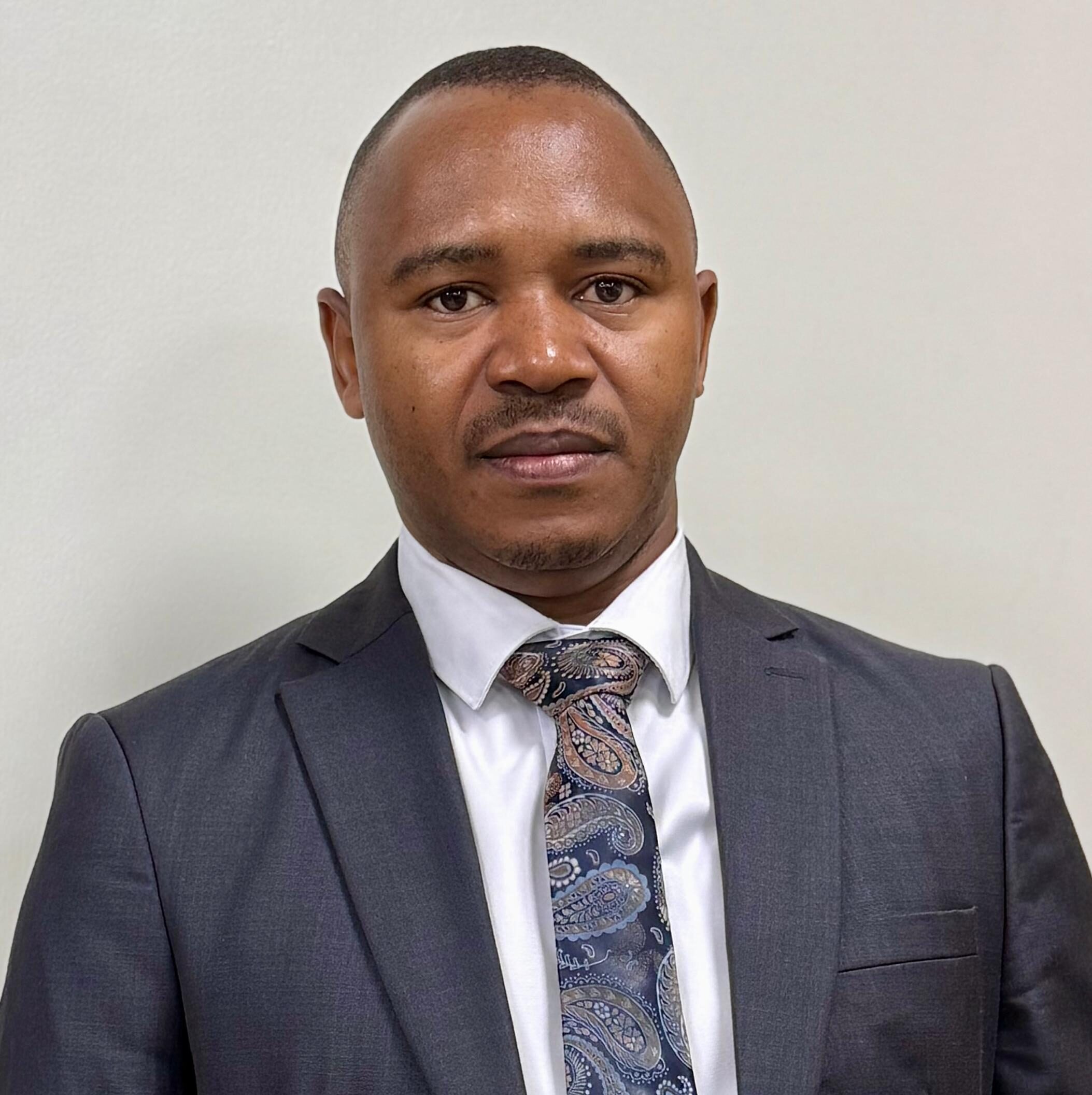
By Wensi Niwagaba
Through our engagement with educational institutions across Uganda, KCB Bank Uganda has gained a unique perspective on the realities of running a school. Every year, thousands of school proprietors across Uganda sign up for the beautiful, harrowing promise of building a legacy through education. Yet, by the time the gates swing open for a new term, the poetry of teaching yields to the hard prose of cash flow.
Consider a typical head teacher sitting in a quiet office weeks before opening day.
The campus is silent, but the financial ledger is screaming. Suppliers demand upfront deposits for metric tons of maize and beans; water and electricity boards require prompt settlements; and top-tier teachers, the lifeblood of any institution's academic ranking, rightfully expect their salaries on time. This is the seasonal cash flow puzzle, a high-stakes balancing act where revenue arrives in unpredictable waves over a few weeks, while operational bills strike relentlessly every single month.

Do you push back on fixing a leaking dormitory roof to guarantee payroll? Do you freeze the purchase of a new school bus, even if it means losing sixty prospective students to a rival campus three kilometers away? When institutional survival consumes every ounce of energy, long-term vision takes a backseat. Yet, infrastructure and stability are precisely what parents evaluate. A school that cannot scale its science labs or retain its best instructors inevitably falls behind in the competitive regional league tables. Increasingly, schools are adopting structured financing models to bridge seasonal cash flow gaps and fund long-term investments
True institutional scaling, however, requires a different mathematical approach. Transitioning from survival to growth means investing in physical expansion, such as upgrading computer laboratories or migrating kitchens from expensive firewood to modern, efficient LPG energy systems.


Recognizing this need for scale, structured institutional financing (major projects, mid-market projects, sacco financing) now offers tiered pricing designed to make large investments affordable.
The schools that thrive in the coming decade will be those that view financial institutions as active partners in growth. Proprietors can finally step off the term-to-term financial rollercoaster by aligning credit with the natural rhythm of the academic calendar. To explore how to balance your seasonal cash flows or fund your next campus expansion, take a practical step forward by visiting any KCB Bank branch and speaking directly with a Relationship Manager to structure a solution that matches your school’s unique timeline.
The author is the SME Manager, KCB Bank Uganda


