






Uganda has secured over 2.1 trillion Shillings (USD 540 million ) funding from the World Bank to improve the management of cities and municipalities.
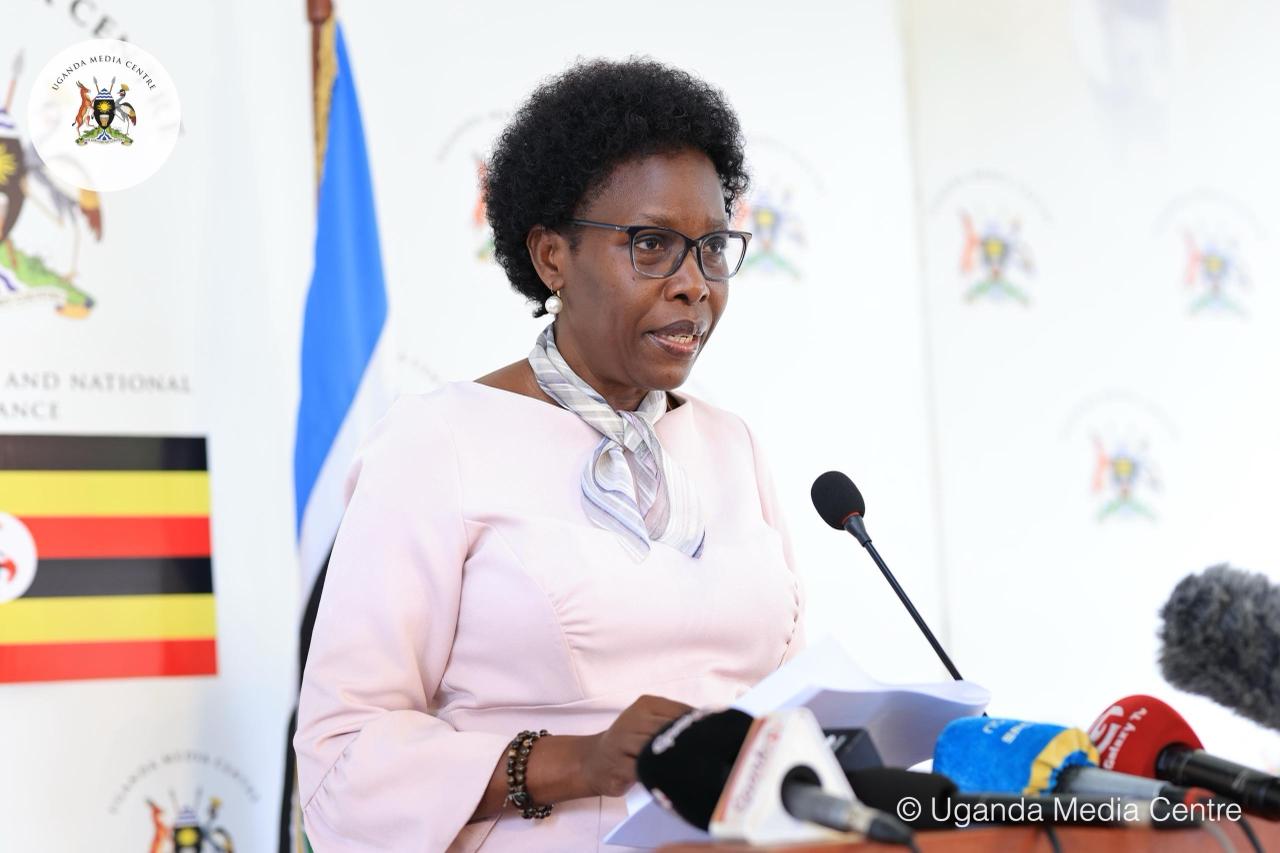
Lands Ministers Judith Nabakooba says the initiative aims to improve urban management, expand climate-smart infrastructure, and create jobs for both residents and refugees in ten cities, 26 municipalities, and 13 refugee-hosting districts.
“The six-year Uganda Cities and Municipalities Infrastructure Development (UCMID) programme is also aimed at expanding access to climate-smart infrastructure, services, and jobs for urban residents and displaced populations in refugee-hosting areas,”she stated.
According to the Minister the programme builds on the achievements of its predecessor, USMID, consolidating gains in sustainable urban development and economic growth across Uganda.
She told the media that USD 429 million from the funding is in the form of an IDA Credit, while USD 80 million is an IDA grant, and the remaining USD 31 million is an IDA shorter maturity loan.

“With USD 540 million in financing from the World Bank’s International Development Association (IDA), UCMID is expected to deliver improved access to essential urban infrastructure and services such as all-weather roads, stormwater drainage, street lighting, public markets, and other urban amenities,”Nabkooba stressed.
she further added that these investments should enhance mobility, reduce flood risks, and improve public safety, while also stimulating local economic activity, according to the Bank.
Francisca Ayodeji (Ayo) Akala, World Bank Country Manager for Uganda. said it is essential that Ugandas rapid expansion translates into productive jobs for a youthful labor force rather than resulting in fragmented urban sprawl and increased informality,” says
Uganda’s rapid urbanisation is facing climate-related issues, especially floods, with cities and municipalities like Jinja, Kampala, Kasese, Kisoro, and Mbale periodically facing floods.
“UCMID is aimed at supporting local governments to deliver climate-smart infrastructure that reduces flooding, improves mobility, and creates opportunities for youth and women. Importantly, the programme will also strengthen services and livelihoods in refugee-hosting areas, so that refugees and their hosts can benefit together from safer, more productive towns and cities,” says Akala.
The programme is also expected to spur the creation of at least 40,000 direct jobs, including 20,000 permanent ones in operations and services, and an equal number through short-term work during construction.
UCMID is the successor of the Programme for Results Uganda Support to Municipal Infrastructure Development (USMID) Program, which closed in 2024 and whose achievements the new programme seeks to consolidate.
USMID, which was launched in 2013, aimed to support Uganda in attaining sustainable urbanisation in line with the National Development Plans.
The Ministry of Lands, Housing and Urban Development leads UCMID coordination and implementation, with involvement from the Ministry of Local Government.
The World Bank pledged USD 160 million as well as technical support to the implementing authorities, and added another USD 360 million in 2019 to expand the programme.
Benefits and Achievements
Isaac Mutenyo, UCSMID Programme National Coordinator says from Arua spanning across to Kabale in the far west, to Busia in the far east, Ugandans have felt the benefits of the programme, with over 215km of all-weather roads constructed, 1,800 street lights erected, and over 40km of cycling, bus, and parking infrastructure installed,” he says, also citing a community satisfaction survey in 2021 that returned 94 percent satisfaction.
These include Bugiri, Bushenyi-Ishaka, Ibanda, Iganga, Kapchorwa, Kisoro, Kotido, Koboko, Kumi, Masindi, Mityana, Nebbi, Njeru, Rukungiri, and Sheema, to those that benefited from USMID.
The 13 Refugee-Hosting Districts of Adjumani, Arua, Isingiro, Kamwenge, Kikuube, Kiryandongo, Kyegegwa, Lamwo, Madi-Okollo, Moyo, Obongi, Terego, and Yumbe will also benefit.
The ten cities are Arua, Fort Portal, Gulu, Hoima, Jinja, Lira, Mbale, Mbarara, Masaka, and Soroti.
USMID benefited the Municipalities of Apac, Busia, Kabale, Kamuli, Kasese, Kitgum, Lugazi, Moroto, Mubende, Ntungamo, and Tororo.


