






The Uganda Police Force has once again emerged as the leading institution in human rights violation complaints,Uganda Human Rights Commission (UHRC) Annual Report 2025 has revealed.
According to the report Police accounted for 181 of the 324 institutional complaints, followed by private individuals with 85, the Uganda People’s Defence Forces (UPDF) with 37, Ministries, Departments and Agencies with 16, and Uganda Prisons Service with nine.
The most commonly reported abuses included deprivation of personal liberty, torture, and denial of child maintenance, highlighting continued concerns over abuse of power and mistreatment of citizens.
Overall, 1,747 complaints were registered, with deprivation of personal liberty (133 cases), torture (117), and denial of child maintenance (74) topping the list of alleged violations according to the report.
UHRC investigated 1,011 complaints, mediated 81, and referred 3,183 to other institutions for further management. In 2025, the UHRC Tribunal heard 252 matters, disposed of 131, and awarded victims a total of Shs 885 million in compensation, mainly for violations of the right to life, personal liberty and freedom from torture. However, the report raised concerns about delays in paying compensation, case backlogs, limited resources, and a manual complaints management system that hampers tracking.
The commission also revealed that its tribunal handled hundreds of cases during the year and awarded compensation worth UGX 885 million to victims of torture, unlawful detention, and other violations. However, the report noted that many victims still face delayed compensation due to funding gaps, case backlogs, and outdated manual systems that continue to slow investigations and case management processes.
One of the most alarming sections of the report focused on drug and alcohol abuse among young Ugandans. The commission warned that substance abuse is becoming a national crisis, especially among unemployed youth between the ages of 18 and 30. On average, the report noted, every Ugandan consumes about 12 liters of pure alcohol, ranking the country among the highest consumers in the world.
The report linked the growing addiction problem to poverty, unemployment, rural-urban migration, peer pressure, and the influence of social media, all of which are contributing to emotional distress and mental instability.
It noted that many children are introduced to drugs and alcohol as early as 13 to 15 years of age, increasing the likelihood of long-term addiction. Dangerous substances such as marijuana, kush, shisha, and kuba were highlighted as common among struggling youth searching for temporary escape from hardship.


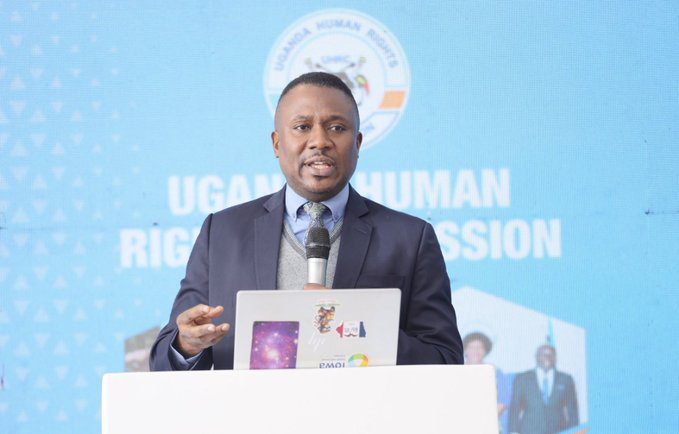
In his remarks at the report launch in Kampala Hon. Lamex Apitta Omara on behalf of Commission Chairperson Mariam Wangadya emphasized that the annual publication “was not designed to attack institutions, but rather to encourage accountability, transparency, and respect for human rights across the country.”
He urged both state and non-state actors to treat the findings seriously and work together to strengthen justice and democratic governance.
The report also raised concern over the growing burden of mental health in uganda indicating nearly 3.7 million Ugandans are experiencing mental health challenges, with youth making up the largest affected group. Butabika National Referral Mental Hospital reportedly stated that 40 percent of mental health admissions are linked to substance abuse, while facilities such as Soroti Regional Referral Hospital continue to receive hundreds of mental health patients every week.
Daniel Ronald Ruhweza from Makerere University alegal and governance expert urged the commission to improve its methodology and maintain strong constitutional protections, especially regarding the 48-hour rule on detention.


