







Deputy Speaker of Parliament Thomas Tayebwa has described the career of Uganda National Examinations Board (UNEB) Executive Director Dan Odongo as an example of diligence that should inspire public servants across the country.
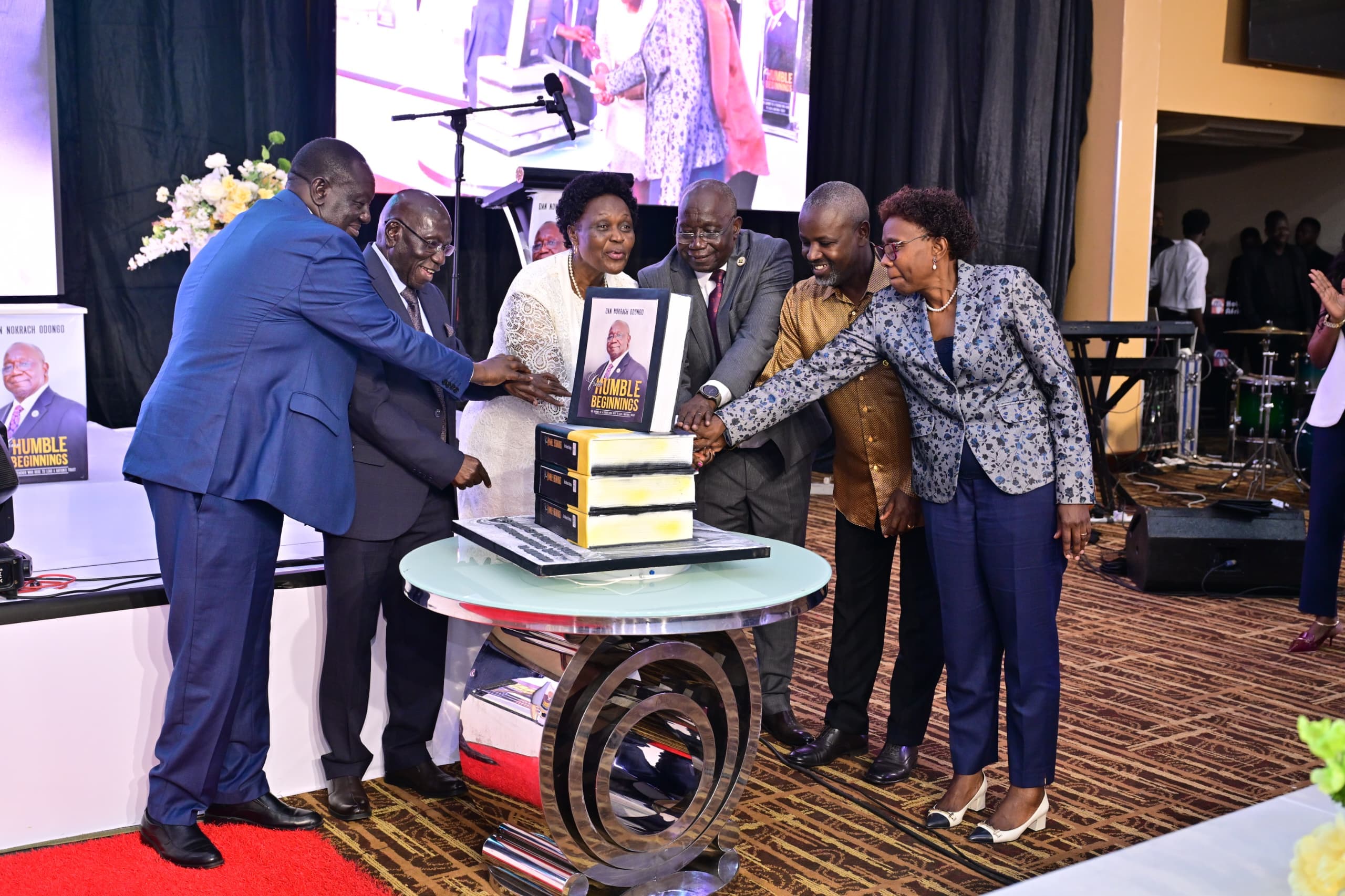
Speaking at the launch of Odongo’s book, From Humble Beginnings: The Journey of a Teacher Who Rose to Lead a Nation’s Trust, on Friday evening at Hotel Africana, Tayebwa said Odongo’s record at UNEB demonstrated what public service should be about.

He said Odongo had successfully led the national examinations body without attracting persistent questions from Parliament over his performance or accountability.
“When you are in a public office and you never see Parliament quarreling with you or knocking on your door, you consider yourself a successful and diligent performer,” Tayebwa said.
He said Odongo’s story was important because it showed that leadership is defined by commitment to the people one leads.
“Leadership is not about titles; it is about service, honesty, and commitment to the people one leads. A title may open the door, but only one’s actions earn lasting respect,” Tayebwa said.

The Deputy Speaker also noted that Odongo’s journey from a rural upbringing and the classroom to the leadership of UNEB demonstrated that teachers can play an important role in national service.
“To every teacher present and educators across Uganda, the story of Dan affirms that the classroom is not a place of limitation, but a powerful launching pad for national service,” Tayebwa said.
Odongo, who has led UNEB since 2016, documents in the book his journey from a humble childhood in Ofiru village in Lalogi, Omoro District, to becoming the head of the institution responsible for Uganda’s national examinations.


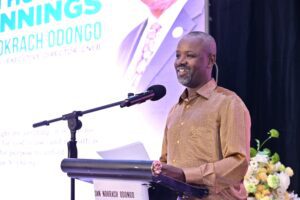
In his remarks, Odongo said the book was written to document his journey and share the lessons he had learned along the way.
“Some journeys deserve to be documented, not because of how far somebody has risen, but because of the lessons found along the way,” Odongo said.
He said his journey had taken him from a rural village through difficult circumstances and challenging assignments before he eventually became Executive Director of UNEB, describing the position as one of the most challenging jobs in the country.
The book traces his early years, education, teaching career and eventual rise through the ranks at UNEB, where he was appointed assistant secretary in charge of biological sciences in 1989 before eventually becoming the institution’s chief executive.


