




The Shs62 billion Bugisu relocation plan is a necessary intervention, but history warns us that cash hand-outs alone cannot heal a century of ecological and cultural displacement.
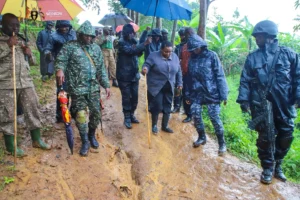
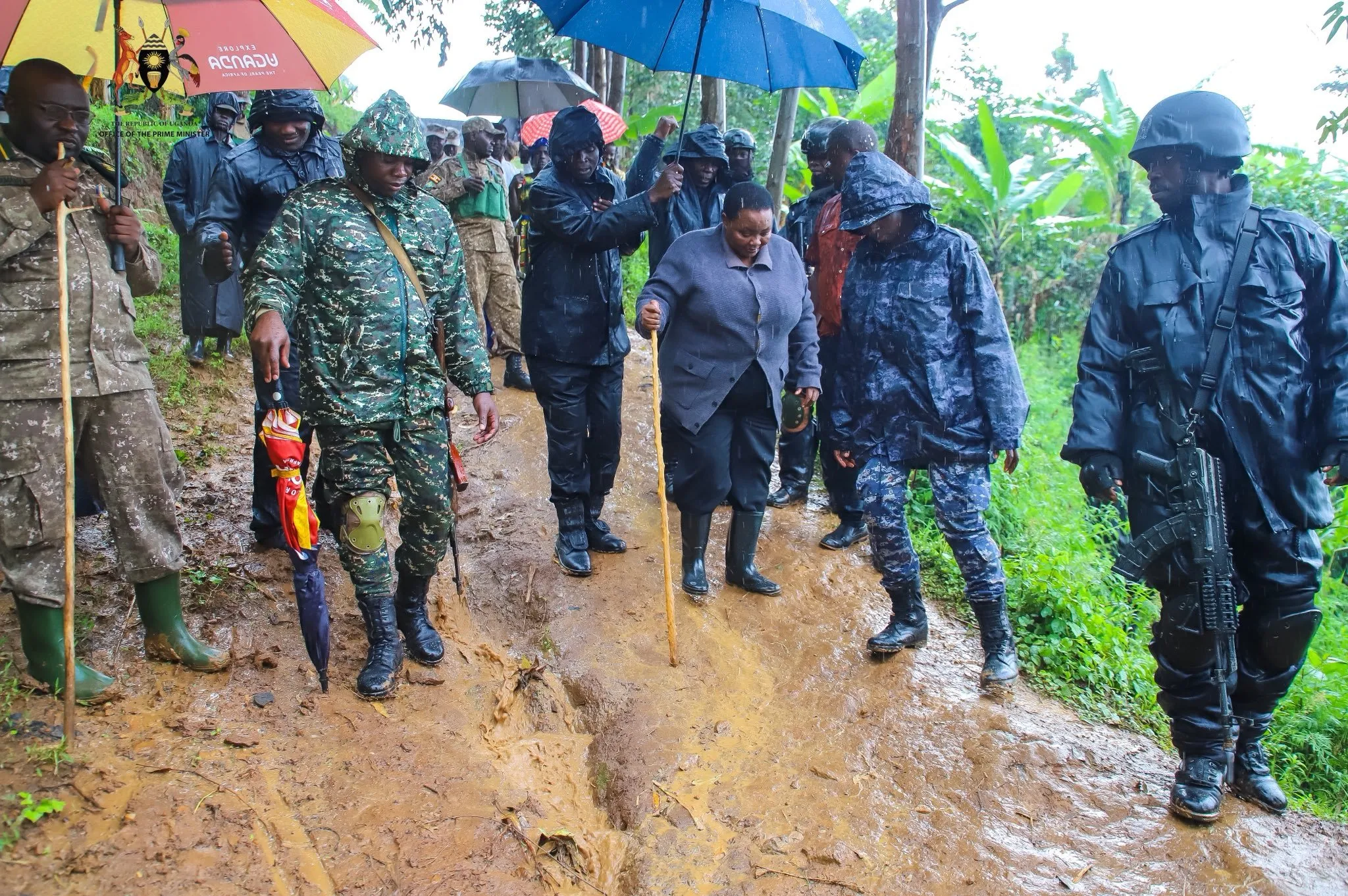
The government’s newly launched Shs62 billion resettlement programme—which hands a one-off payment of Shs18 million to each vulnerable household in the landslide-prone Bugisu sub-region—is a welcome sign of urgency. Driven by a direct directive from President Yoweri Museveni and executed by Prime Minister Robinah Nabbanja, the initiative aims to rescue more than 13,000 residents from the perilous slopes of Mount Elgon. However, while giving families the autonomy to buy land anywhere in Uganda sounds progressive on paper, treating this crisis as a mere real estate problem ignores the deep-rooted historical context of the Bugisu landslides.
For over a century, the relationship between the Bamasaaba (Bagisu) people and Mount Elgon has been shaped by a cycle of colonial land policy, population pressure, and ancestral attachment. The fertile volcanic soils of the region historically sustained a booming agricultural economy, centered heavily on Arabica coffee production. However, as boundaries shifted—most notably through the historical gazetting of the Mount Elgon National Park—indigenous communities were progressively pushed higher up the steep, fragile ridges of the mountain. Combined with rapid population growth, this forced heavy deforestation and intensive cultivation on slopes that were never meant to sustain deep terracing. When torrential rains hit, these stripped, waterlogged slopes inevitably give way, leading to catastrophic mudslides like the tragic events witnessed in Bududa and surrounding areas over the decades.
Since 2010, the state’s strategy has relied on physical resettlement, such as moving families to low-lying areas like Kiryandongo. Those efforts largely failed because they ignored human nature: highlanders accustomed to cool weather, fertile volcanic soil, and tight-knit cultural shrines found it impossible to adapt to a vastly different geographic and social climate. Many quietly migrated back to the dangerous slopes they called home.
By shifting tactics to cash transfers, the government is trying to avoid the logistical bottlenecks and cultural alienation of forced institutional resettlement. Giving a family Shs18 million to choose their own sanctuary respects their agency. Yet, this strategy carries its own systemic risks. In a region suffering from generational poverty, Shs18 million can easily be swallowed up by immediate survival needs, health crises, or poor financial decisions rather than the intended land acquisition. Furthermore, land prices within safe zones of Bugisu will inevitably skyrocket due to sudden demand, leaving families with insufficient capital to secure viable farming land.
If this Shs62 billion package is to truly save lives rather than temporarily delay the next disaster, the Office of the Prime Minister must look beyond the cash envelope. True resettlement requires strict regional land-use monitoring, robust financial literacy guidance for the beneficiaries, and sustainable livelihood support in their new self-selected homes. Until we address the historical reality that these communities are bound to the mountain by both economic survival and cultural identity, giving them money to pack up and leave remains a high-stakes gamble on their survival.


