







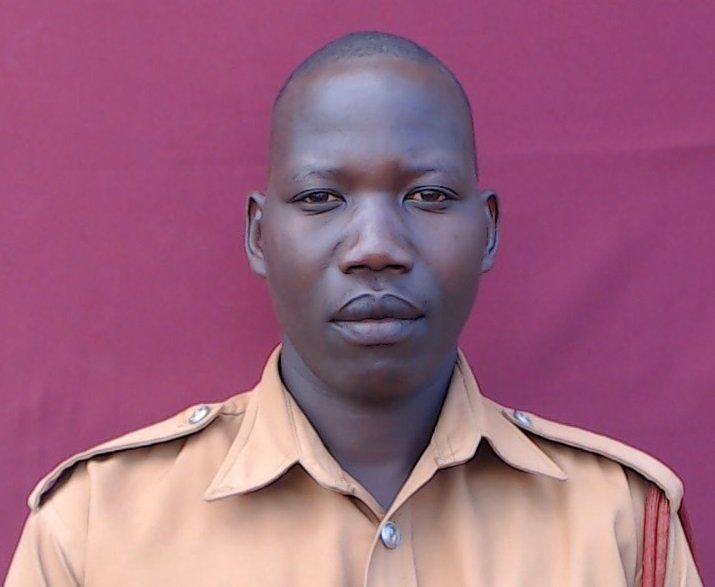
High Court in Kiboga has sentenced prison warder Moses Anguyo to death for the shooting deaths of four people, including two fellow prison officers, a woman and her one-and-a-half-year-old son.
Judge Jane Okuo Kajuga handed down the sentence after finding that the murders were exceptionally brutal, involved multiple victims and were aggravated by the fact that Anguyo had used a firearm entrusted to him in the course of his duties.
Anguyo had pleaded guilty to four counts of murder, two counts of aggravated robbery and one count of threatening violence. The offences arose from a shooting spree in Kiboga on February 23, 2026.


The four murder victims were Assistant Superintendent of Prisons (ASP) Catherine Hope, Deputy Officer in Charge of Kiboga Government Prison; Principal Officer Akishuri Bright; Ayebare Sarah, wife of the prison’s Officer in Charge, Superintendent of Prisons Ivan Niwagaba; and her young son, Salson Niwagaba.
In her sentencing decision, Judge Kajuga said that life imprisonment would be sufficient punishment for the four murders.
“A life imprisonment sentence in that case may not be sufficient to address the crime and deter criminality.”
The judge described the murders as brutal and intentional, noting that the victims were unarmed and vulnerable.
According to the judge, Ayebare and her young son were inside a vehicle in the prison yard when Anguyo opened fire.


Ayebare according to evidence, pleaded with him to spare her life and attempted to close the vehicle door, but he shot through the window before shooting her at close range.
The child, who was sitting on his mother’s lap and playing with a toy car, later died in hospital from his gunshot wounds.
Akishuri Bright, according to the court record, pleaded to be spared, while Catherine Hope fled and hid in a toilet. The court found that Anguyo pursued her and shot her while she was helpless and unarmed.
“The four were brutally and intentionally murdered. The attacks were precise, targeting vulnerable areas.”
The judge said the circumstances went beyond the fact that the victims had been shot, pointing to the deliberate selection of victims and the circumstances in which they were attacked.


The judge said such conduct was contrary to Article 21(3) of the Constitution, which guarantees freedom from discrimination on grounds including ethnic origin or tribe.
In an emotional statement to court, Anguyo apologised to the families of the deceased, the prison fraternity, his wife, his children and the wider community.
He asked the court for mercy and said he was willing to take full responsibility for his actions.
The judge, however, found that the mitigation did not outweigh the aggravating circumstances.


“I am satisfied that neither the plea of guilt nor the remorse of the convict can mitigate the death sentence. The effects of the murder are far-reaching and have implications for the quality of output of those closely affected, including SP Niwagaba and Chief Wardress Babirye. This negatively affects work output. There is also a palpable fear of taking on responsibility within the prison service.”
“The country lost young, able-bodied professionals who would have contributed to its growth as prison officers and in other fields. The late Sarah was said to be an architect and an industrious person. The severe impact of the crime on the families and community is an aggravating factor in this case.”
The judge ruled that the only punishment that is fit for Anguyo was suffering death for the murder of four people.


