

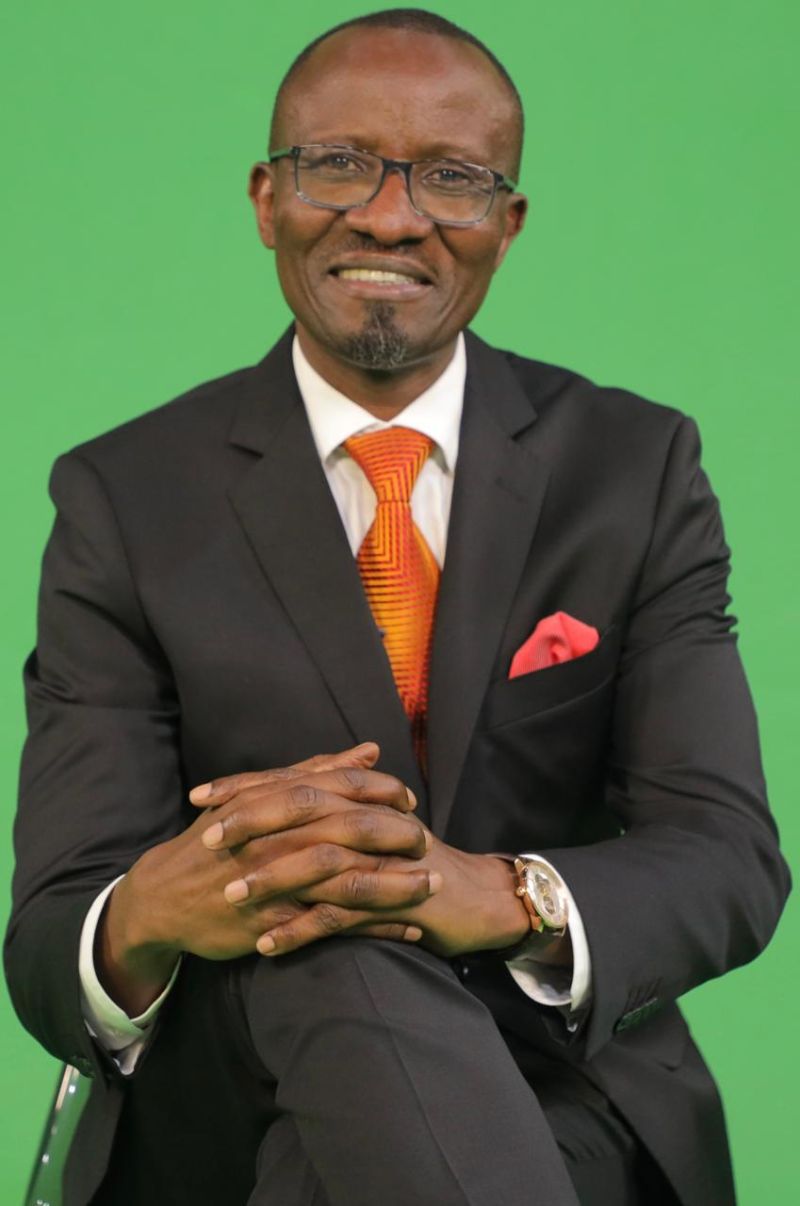
Who is George Arodi?
George is a graduate of the University of Nairobi with work experience spanning several years. I started my career with a flagship company within the Safal Group family, Mabati Rolling Mills Ltd (MRM) in Kenya, as an Exports Officer. For 17 years, I grew through the ranks, holding various positions, till I was appointed the Exports Manager in 2007. In 2011, I was privileged to work with another Safal Group company- Ethiopian Steel Ltd, as Head of Business and Director for a period of 6 years between 2011 and 2017 when I joined this great company, Uganda Baati.
So, George is a true representation of what growing through the ranks looks like and how patience forms a key ingredient in scaling up corporate heights. Safal Group has been my home after school.
I draw great comfort in offering transformation leadership and infusing performance culture within teams
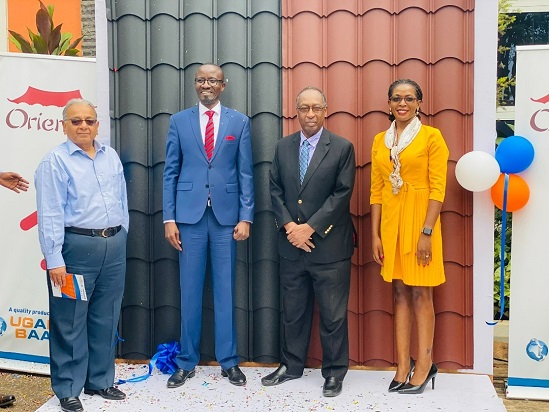
What has been your contribution to the steel sector in Uganda and the region?
On the side of our company, first I stand as a true testimony of a Group which offers a career opportunity for all, irrespective of race among other considerations. I am among the first few Africans who grew through the ranks of our Group to the position where I am today. I am happy that after me, many local Africans felt challenged and have since taken up key positions within our great Group with the resultant effect of a substantial reduction in expatriate roles in our Group. It is this same approach that I have adopted over the years and Ugandans have taken over 95% of senior positions in Uganda Baati today. I am happy with the level of transformation the team, under my leadership, have brought into the business. Our overall profitability has grown by over 300% in the past 5 years. I will leave behind a strong team and culture that guarantees consistent performance beyond my life at Uganda Baati
I’m the current sitting vice chair of the Uganda Iron and Steel Association which brings together all the steel manufacturers in Uganda. Through this association, I believe we have supported the sector growth as well as supported harmony by addressing the various emerging issues in the sector.
Regionally, I was privileged to chair the Ethiopian caucus of steel sector manufacturers. While in Kenya, I was among the first sitting Board members of the Kenya Shippers Council. I also chaired the sub-committee on Regional trading blocs within Kenya Manufacturers Association (KAM). These positions, including that of membership to the coveted Trade and Tax Committee within KAM, gave me the required elevation to be part of the Kenyan private sector delegation during the negotiation of the EAC Protocol during the formation stages of the EAC. I was honoured to be among the few speakers during the East Africa Business & Investment Summit in Arusha in the year 2019.I take great pride in the roles I have played locally and within the wider region.
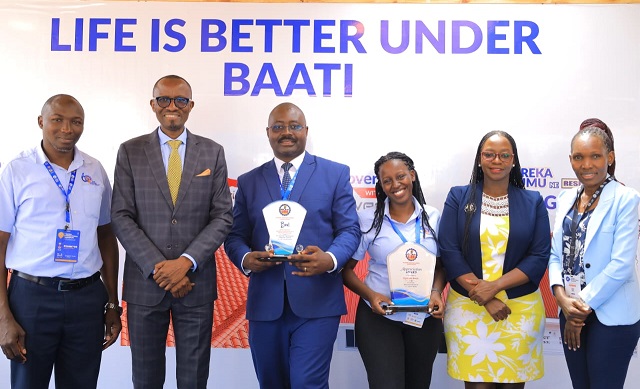
What has kept Uganda Baati as market leader since 1964.
For the past 60 years, Uganda Baati has defined the business landscape of the steel sector in Uganda. We are the epitome of innovation- from the first 2 galvanising lines in Uganda in 1964. Before this, the roofing in Uganda was largely thatched houses. After this milestone, we continued to bring great innovations on various roofing sheet profiles which dot the Uganda environment today. We are happy that competition has borrowed heavily from these innovations with the effect of creating a platform for affordable and elegant housing in Uganda.
With our age comes to the information gap that resonates with the young population who now make a significant chunk of the consumer profile. We had a lull in highlighting what we do. However, we have made great strides in this area through Marketing and Corporate communications function.
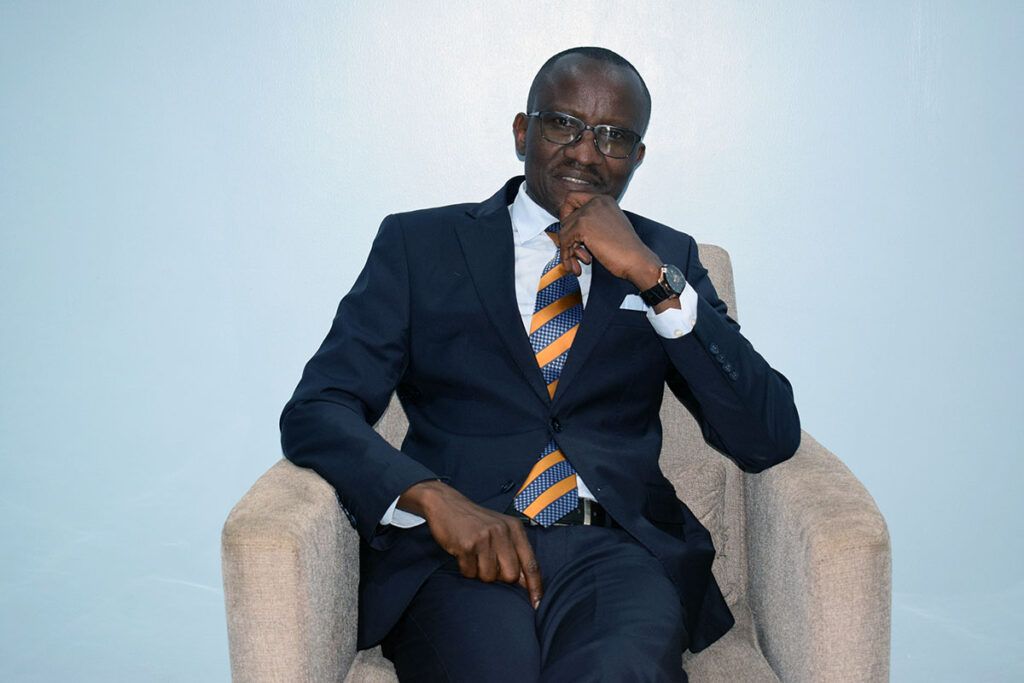
What makes Uganda Baati unique from other brands.
Uganda Baati, just like the Safal Group, works within 4 key strategic pillars – driving building solutions, improving channels to market, developing people and operational efficiency. We strive to be the best in these pillars and that’s the reason we were voted the Best Roofing and Steel Company in Uganda by the Consumer Choice Awards 2020-21. A lot of work has been put into our systems to stay at the top of our game.
We have a very strong corporate governance structure and put issues of compliance as our core. The company over the years has worked on the unmatched quality platform and prides itself as a market leader in innovation within the sector.
The company has put great focus on innovations around the route to market. Other than the traditional routes through hardware dealers, we derive strength in robust export, retail, and an institutional segment where our capable sales team offer technical support to our customers.
To bring convenience and comfort to our customers, we introduced the showroom concept, which is the first of its kind in the industry. The 10 showrooms dot the Ugandan market to augment what we can achieve through other market channels. Last year saw the company launch e-commerce as a route to market. Who could think that the full ordering process for steel from inquiry, and payment to delivery could be realized within this platform? This is a key milestone
Our focus is not only on roofing but on building solutions. Our company is now looking at everything that goes into a building structure either through manufacturing, trading or technical expertise.
As we do all these, we invest heavily in the people through building strong teams. Our investment in people’s well-being is top-notch. Our teams are aligned to offering the best services to our customers with specific scheduled engagement which we embed in our KPIs.
What has been the overall impact of Uganda Baati on Ugandas growth?
The Safal Group believes in giving back to the communities where we operate. This is being supported by the shareholders within all Group operations. We drive our Corporate Social Investments within the framework of 4 focus areas – education, health, housing and environment. On health, we have been running the non-profit making Chandaria Medical Clinic in our Kampala premises for many years now, where we offer subsidised health services to the surrounding community. We are in the process of opening the Chandaria Medical Clinic in Tororo within the next month to bring medical facilities closer to the people. Through these plans, we partner with a host of Government agencies and NGOs for various medical interventions including outreach programs.
On shelter, we have been offering roofing solutions to various institutions. During the year, we undertook a massive renovation exercise to the Sanyu Babies Home to the tune of USD 30,000, among other contributions. Our investment in young talent has been big with an ongoing graduate trainee program at the core of it. We have great pride as one of the few corporates that offer opportunities to grow budding talent within our community. Next year, we plan to have an Uganda Baati Technical Training Institute fully operational within our Tororo premises. The institute will offer training in various disciplines with a focus on those courses with high potential for self-employment. The model of the institute will borrow heavily from what Safal Group has done in our other markets like Mabati Technical Training Institute, in Kenya.
This year we will partner with National Forest Authority for the restoration of forest cover in Uganda. So, we cover all pillars of our CSI interventions. Some of these interventions are also through sensitization programs under our annual Safal Eye-In-The-Wild initiatives
Whats the future of Uganda Steel Sector.
Our steel industry is still evolving and we have to keep pace with various innovation opportunities. The Government of Uganda has been quite supportive of the sector. We are elated to see the involvement of the Govt in opening the infrastructure link with DRC. Other measures include Free Zones along the DRC borders which will be realized soon.
Despite these gains, we implore the Government to have a look at the overall tax regime in the sector which, traditionally, has very thin margins. There is also a need for predictable application of policies and a level playing field for the sector players. The road and rail connectivity in Uganda is still wanting and needs to be worked on for competitiveness.