

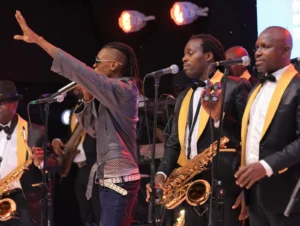






Following the tragic passing of the legendary Moses “Papa Moi” Matovu, the future of Uganda’s oldest and most iconic musical group, the Afrigo Band, has been thrust into the national spotlight. As the country continues to mourn a maestro who defined Ugandan live band music for exactly fifty years, Afro-pop superstar Jose Chameleone has weighed in with an emotional, heartfelt plea to the surviving band members. In a powerful gesture that has captured the hearts of fans across the country, Chameleone has begged the Afrigo Band to preserve and keep the late icon’s legendary saxophone alive on stage, rather than archiving it.
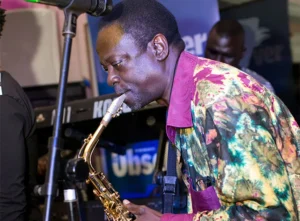

With Joanita Kawalya stepping up to guard Papa Moi’s immense legacy and the nation questioning how the band will survive without its patriarch, Chameleone’s request underscores the deep symbolic weight of the instrument that birthed decades of timeless hits.

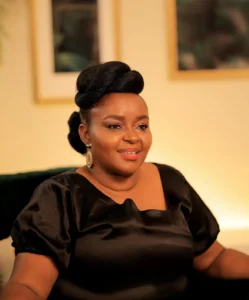


Jose Chameleone made a heartfelt request to the Afrigo Band to be allowed to receive one of the late saxophonist Moses Matovu’s instruments as a memorial souvenir in honour of the music legend.
In a letter addressed to Afrigo Band Director Wasula and the entire band, Chameleone said he wanted to preserve one of Matovu’s saxophones in the Jose Chameleone Gallery as a lasting reminder of the veteran musician’s contribution to Uganda’s music industry.
“It is with profound respect, humility and a heavy heart that I, Jose Chameleone, make this special request in memory of our beloved musical icon, Legend Moses Matovu,” he said.
Jose Mayanja described Matovu as an extraordinary saxophonist and a monumental figure whose music and musicianship helped shape the sound and history of Ugandan music.
He said Matovu’s saxophone had become part of a musical language that touched generations and expressed hope that preserving one of his instruments would help keep his legacy alive.
“As we mourn his passing and celebrate the incredible life he lived through music, I humbly request, through Director Wasula and the entire Afrigo Band, to kindly consider allowing me to receive one of Moses Matovu’s saxophones from his gallery as a personal memorial souvenir, to be preserved and displayed in the Jose Chameleone Gallery,” he said.
Chameleone stressed that his request was not motivated by possession, but by love, honour and remembrance.


He said having one of Matovu’s instruments in his gallery would provide a tangible piece of the musician’s history and inspire him, fellow musicians, young artists and future generations.
“I fully respect the importance and sentimental value of Moses Matovu’s instruments to Afrigo Band, his family, friends and the Ugandan music fraternity. Therefore, I leave this request entirely in your hands and with the utmost respect for whatever decision you may make,” he said.
He has further described the saxophone as a symbol of Matovu’s enduring contribution to Ugandan music, saying its memories and the music it created could continue to inspire people even after the musician’s death.
“May the saxophone of Moses Matovu continue to speak even after the man has gone — through the memories it carries, the music it created and the generations it inspired,” he said.


Matovu, a veteran member of Afrigo Band, died on September 24, 2026, after he was allegedly attacked at Kibuli Market Zone B in Kampala. He was rushed to hospital but later succumbed to his injuries.
His death came shortly after the passing of fellow veteran musician Alex Mukulu, prompting an outpouring of tributes from Uganda’s music fraternity.
Jose Chameleone‘s passionate appeal serves as a reminder that the true legacy of a maestro lies in the continuous playing of his notes. As Joanita Kawalya and the remaining members of the Afrigo Band navigate this difficult chapter, keeping Papa Moi’s legendary saxophone center stage could be the definitive anchor that keeps the band anchored to its roots while propelling them safely into the future.
Jose Chameleone alegendary ugandan afrobeat and reggae musician,songwriter and producer is famous for pan-African chart-toppers like “Valu Valu,” “Jamila,” “Badilisha,” and “Bageya”
He sings in Luganda, English, and Swahili, blending Afrobeats, reggae, zouk, rumba, and traditional East African rhythms.
The CEO and founder of the leone Island Music Empire record label has helped launch many East African artists in the entertainment industry .


