






The Ministry of Lands,Housing and Urban Development has launched a three-year initiative to strengthen the country’s food systems and protect pastoral communities from the growing threat of climate change,
Uganda faces severe climate change threats, including shifting rainfall, rising temperatures, floods, and landslides. These changes damage rain-fed agriculture, displace rural and urban communities, and increase waterborne and vector-borne diseases
The Accelerating Food Systems Transformation for Resilience to Climate Change in Africa project is backed by the United Nations Economic Commission for Africa, the African Union, the Intergovernmental Authority on Development and other development partners,


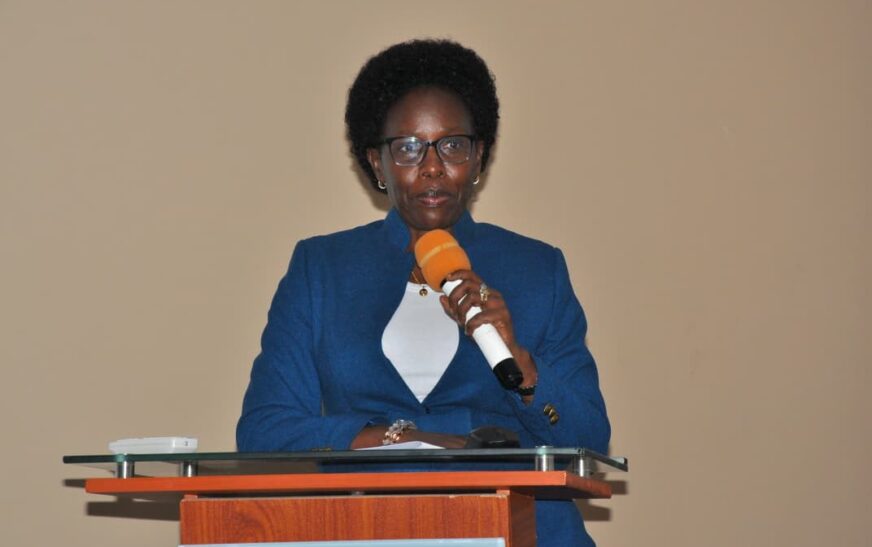
Lands Minister Juith Nabakooba says the project will focus on strengthening land governance while addressing vulnerabilities across Uganda’s agricultural and livestock sectors.
She noted that climate change is already placing pressure on livelihoods, food security and economic growth through prolonged droughts, floods, land degradation and conflicts over natural resources.
“Resilient food systems require secure land rights, reliable climate information, sound policies and strong institutions working together,” Nabakooba said.
Nabakooba argued that secure land tenure can encourage farmers and other land users to make long-term investments, improve productivity, reduce land-related conflicts and strengthen communities’ ability to adapt to climate shocks.


“Our ministry continues to advance reforms that improve land administration, promote responsible land management and enhance access to land information,” she said.
“These efforts are essential for protecting land rights while supporting agricultural transformation, climate resilience and sustainable investment.”Nabakooba added.
According to the ministe the project will assess four priority areas: land tenure security, livestock value chains, index-based livestock insurance and climate-land information systems and the assessments will generate evidence to shape policy reforms, guide investments and strengthen Uganda’s broader response to climate change and food system vulnerabilities.
Nabakooba urged stakeholders to ensure the implementation framework reflects Uganda’s specific circumstances rather than relying on approaches that may not work in the local context.


She also called for stronger cooperation among government institutions, local authorities, research organisations, development partners, civil society and the private sector.
“The findings from this project should not remain on paper. They should inform better policies, guide future investments and strengthen decision-making at both national and local levels,” she said.
During the implementation process key priorities areas will include strengthening land tenure security, improving access to climate and land information, building institutional capacity and supporting evidence-based policymaking.


