






For years, the rapid growth of the Kampala Metropolitan Service Area has outpaced its vital infrastructure. In the expanding urban and peri-urban hubs stretching across Wakiso District, access to reliable running water has shifted from a daily expectation to an unpredictable luxury.
To bridge this gap, the Government of Uganda, through the National Water and Sewerage Corporation (NWSC), has launched an ambitious infrastructural intervention: a 10-million-litre reservoir at Kanyanya Hill.
Designed to completely overhaul water distribution reliability, this massive engineering project will unlock the full potential of the recently commissioned Katosi Water Treatment Plant. By serving as a critical high-capacity storage node, the reservoir will absorb mass volumes of water from Katosi and seamlessly reroute it to millions of residents across seven major, water-stressed service zones.
According to NWSC Managing Director, Dr. Eng. Silver Mugisha, the Kanyanya Hill project represents a strategic pivot toward proactive utility planning for a rapidly expanding city.
“The Government of Uganda is working to boost water supply reliability in the Kampala Metropolitan Service Area. The reservoir at Kanyanya Hill will enable the corporation to evacuate more water from the Katosi Water Treatment Plant, helping improve supplies to the targeted communities.”— Dr. Eng. Silver Mugisha, NWSC Managing Director
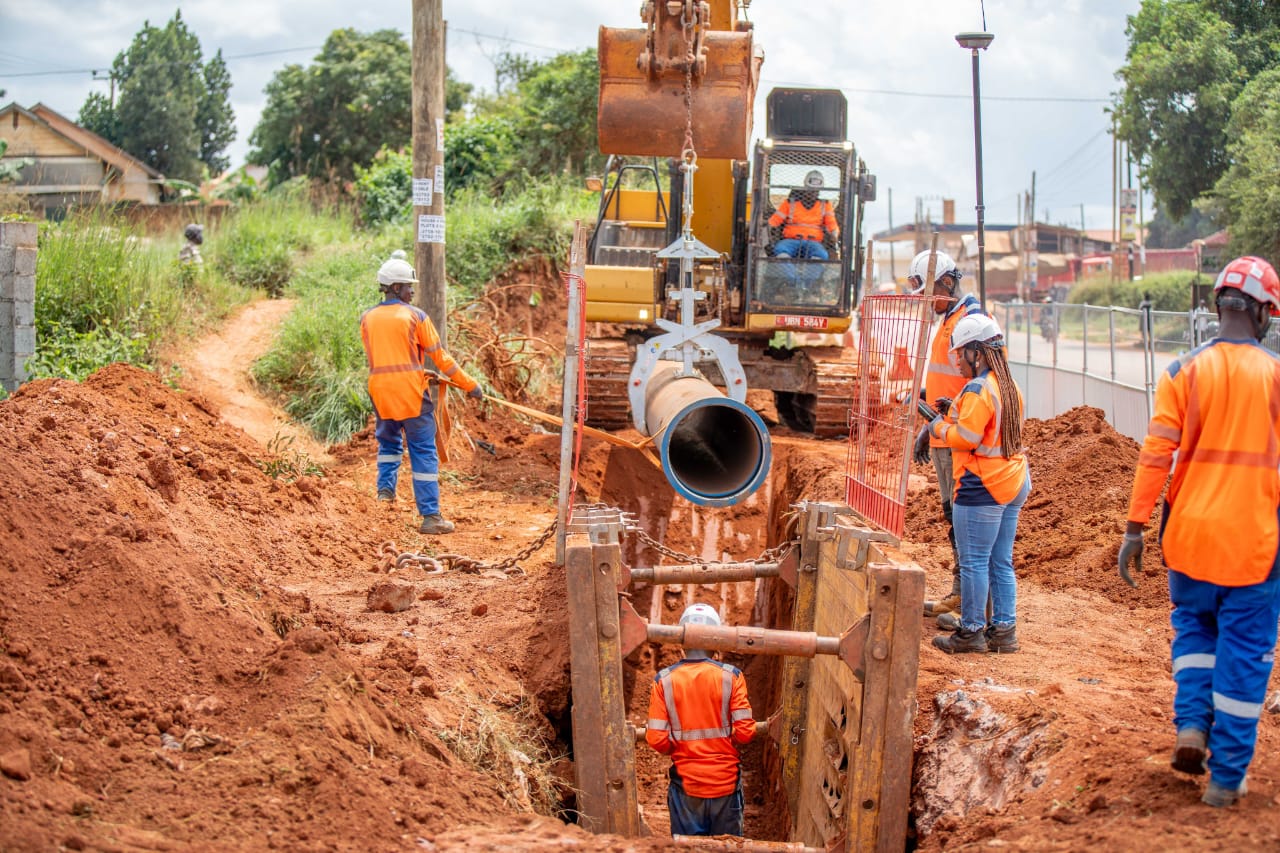
While construction remains underway and an official completion date has yet to be finalised, the scale of the ongoing works signals a permanent shift away from emergency rationing toward long-term water security.
To rsolve the challenge,government of Uganda, through the National Water and Sewerage Corporation (NWSC), is constructing a reservoir with a capacity of 10 million litres at Kanyanya Hill to improve water supply reliability across the Kampala Metropolitan Service Area.
The project is expected to strengthen water distribution by enabling NWSC to evacuate more water from the Katosi Water Treatment Plant and supply communities across Wakiso District and surrounding areas.
NWSC Managing Director Dr. Eng. Silver Mugisha said the reservoir forms part of ongoing government efforts to strengthen water infrastructure and improve service reliability in the rapidly growing metropolitan area.
“The Government of Uganda is working to boost water supply reliability in the Kampala Metropolitan Service Area,” Mugisha said.
He added that the reservoir at Kanyanya Hill would enable the corporation to evacuate more water from the Katosi Water Treatment Plant, helping improve supplies to the targeted communities.
The project is expected to benefit residents in seven major service areas: Wakiso, Kakiri, Gayaza, Nansana, Kanyanya, Luteete and Matugga.
In Wakiso, the targeted communities include Bugembegembe, Kayunga, Wakiso Town, Kasengeje, Gombe, Mende, Nkoowe, Kasa Ngombe, Sala, Sanda Kavumba, Mpunga, Namasanga, Buyera, Muyomba, Kikokiro, Kapeke, Kiwazi, Kisimbiri, Kabowa, Najjemba, Nakasuga, Namusera, Kyoga and Banda.
In Kakiri, the project is expected to improve water supply to Kikumbampa, Sebi, Kigaga, Kakiri Town, Mpegwe, Nakyelongosa, Kambe, Nadangira, Kitereede, Busujja, Nonve, Naguru, Buwanuka, Vugamira and Bukalango.
The Gayaza service area is also among the expected beneficiaries. The communities listed include Kasangati Town Council, Bulumu, Kiwamulimu, Namavundu, Kayebe, Kyankima, Kitegomba, Gitta, Nabutaka, Nalusoga, Buwagga, Bukemba, Majijje and Wampewo.
In Nansana, the targeted areas include Wamala, Katooke A and B, Gganda Nasere, Nsumbi, Kawoko, Kabulengwa, Kireka Biira, Nakabugo, Kyebando, Kabumbi, Yesu Amala, Naluvule, Ssenge, Masiitowa, Mutuyanye, part of Nabweru and Kibwa.
Residents of Kanyanya and neighbouring communities, including Kyanja, Tula Road, Kakungulu, Mpererwe, Namasole, Mugalu and Mwaze, are also expected to benefit from improvements to the water distribution system.
The Luteete service area includes Namere Road, Katalemwa Estate, Komamboga, Kitala, Kanyanya Road, Kanyanya Hill, Kyanja, Nameere, Kiteezi, Lusanja, Masooli, Kitetika, Nangabo, Bamba, Bumbu, Kitagobwa and Nakanaku.
In Matugga, the project is expected to benefit Kiryagonja, Lwadda, Matugga, Buwuzzume, Kungu, Kito, Kirwanira, Lwadda B, Kabunza, Katalemwa, Wattuba, Namalele, Kikajjo Kabaga, Kiteezi, Nekyesanja, Kitagobwa, Lubatu, Kabaganda, Wabitembe, Kayanga, Jjokolera, Kiti, Mayirikiti, Katta and Mawule.
Other targeted communities in the Matugga service area include Valley View and Green Estates, Jomayi, Kawanda, Kagoma, Kanyogoga, Kivuru, Nkojnkojeru, Mubende, Mabanda, Kisimu and Maganjo.
Mugisha said the project reflected the corporation’s commitment to expanding water infrastructure and extending reliable services to more communities as demand continues to grow.
“The reservoir will support the evacuation of more water from the Katosi Water Treatment Plant, helping NWSC improve water supply reliability across the targeted service areas,” he said.
Construction is ongoing, but NWSC has not specified when the reservoir is expected to be completed.
The project forms part of broader efforts to strengthen water production, storage and distribution infrastructure to meet rising demand for clean water in Kampala and its surrounding urban and peri-urban communities.
As real estate developments continue to sweep through Wakiso and Kampala’s outskirts, the strain on utilities has never been higher. NWSC’s investment at Kanyanya Hill is a acknowledgement that physical pipeline networks must grow in tandem with population density.
“The reservoir will support the evacuation of more water from the Katosi Water Treatment Plant, helping NWSC improve water supply reliability across the targeted service areas,” Dr. Mugisha emphasized. For families, business owners, and local institutions in these seven zones, the completion of this engineering feat will mark the end of dry taps and the beginning of a more resilient, clean-water future.


