


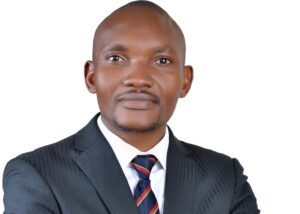




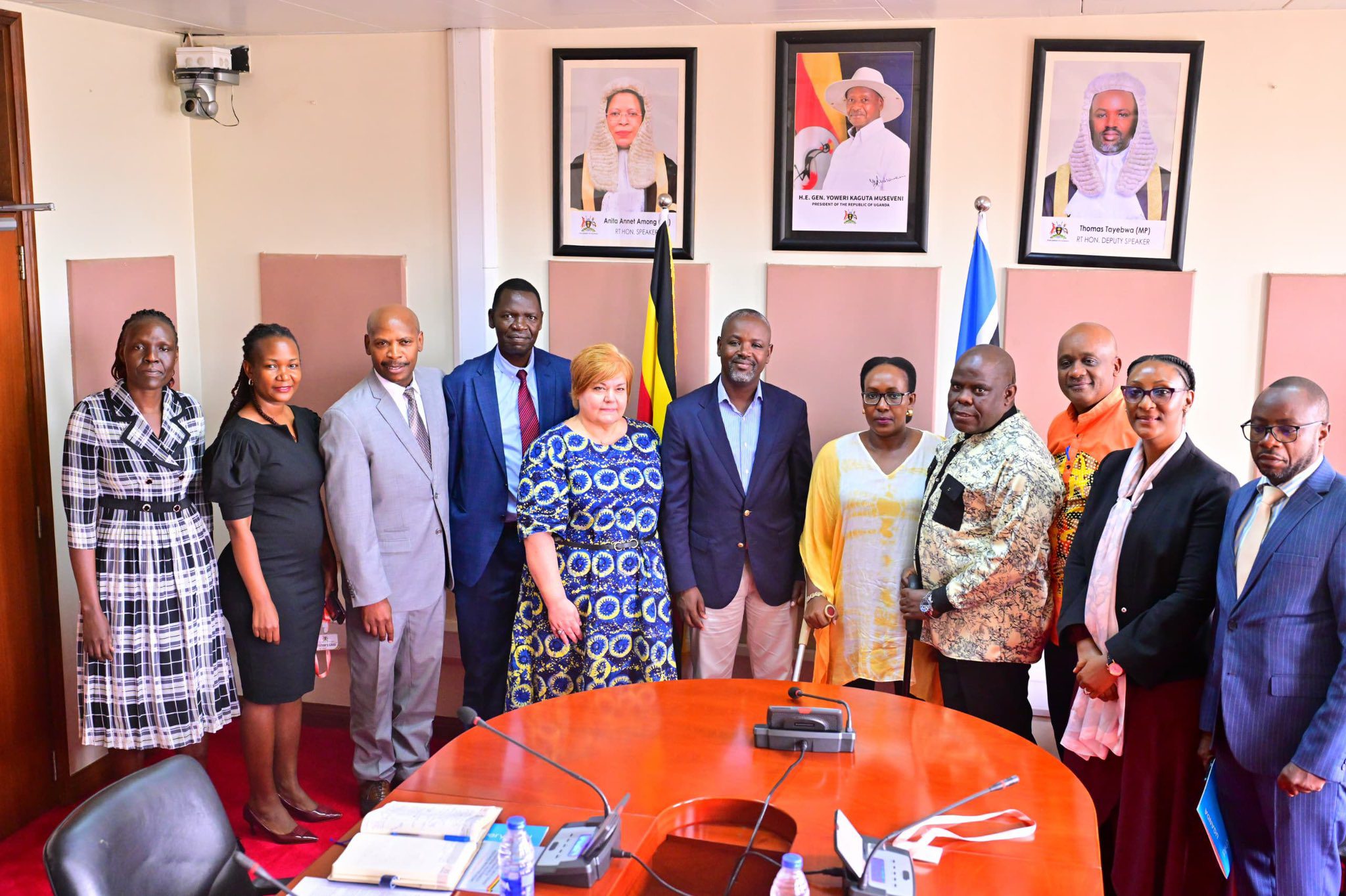
National Female Representative for Persons with Disabilities, Laura Kanushu,has urged Parliament to undertake a comprehensive review of the affirmative action policy, arguing that it has remained largely unchanged since it was entrenched in the 1995 Constitution.
“The affirmative action policy has been there for over 31 years and it has not been reviewed.
As the 12th Parliament, we might need to think about whether we want to review affirmative action, especially for women.”Kanushu said


Kanushu argued that increased numbers alone do not necessarily translate into equality or meaningful empowerment during the induction of Members of the 12th Parliament where legislators were challenged to rethink the future of reserved parliamentary seats for women and the broader framework of political representation.
Uganda adopted affirmative action to address the historical exclusion of women and other marginalized groups from political leadership more than 30 years after Uganda introduced affirmative action to boost women’s participation in politics,
Article 32 of the Constitution requires the State to take measures to support groups disadvantaged by discrimination, while Article 78 created district Woman Member of Parliament seats to guarantee female representation in Parliament. Similar provisions reserve at least 30 percent of positions in local governments for women.


The policy has significantly increased women’s presence in politics. Women now occupy about one-third of seats in Parliament, making Uganda one of Africa’s leading countries in female legislative representation.
Kanushu proposed that Uganda should consider moving beyond the current quota system toward equal representation of men and women.
“I think 31 years is enough for us to rethink the 30 percent reserved seats,” she said.
“What if we amend the Constitution and go for 50-50 representation? The ball is in our hands because we are the lawmakers.”she stated.
The proposal mirrors reforms adopted in several countries, including Rwanda, where women occupy more than 60 percent of parliamentary seats following constitutional quotas and political party reforms.
Despite progress in women’s representation, Kanushu noted that female candidates continue to face significant challenges outside affirmative action arrangements.


These include limited campaign financing, patriarchal cultural attitudes, unequal access to political party structures, election-related violence and the burden of domestic responsibilities.
Kanushu challenged women legislators to deepen their understanding of gender laws and constitutional provisions to better represent those who elected them.
“If you represent women, people should wake you up at 2 a.m. and you should be able to explain women’s rights and the laws that brought you to Parliament,” she said.
She also urged experienced female politicians to mentor emerging leaders rather than viewing them as political rivals, warning that failure to prepare the next generation could leave Uganda recycling the same political elite.
Kanushu concluded by saying the success of affirmative action should ultimately be measured not by the number of women occupying political offices, but by the impact those leaders have on the lives of ordinary Ugandan women.


“If women are still living the way they used to live 30 years ago, then we cannot justify our representation to anyone.”
She added that the true test of leadership lies in improving the welfare of those represented.
“Our work must reflect in the people we represent.”


