

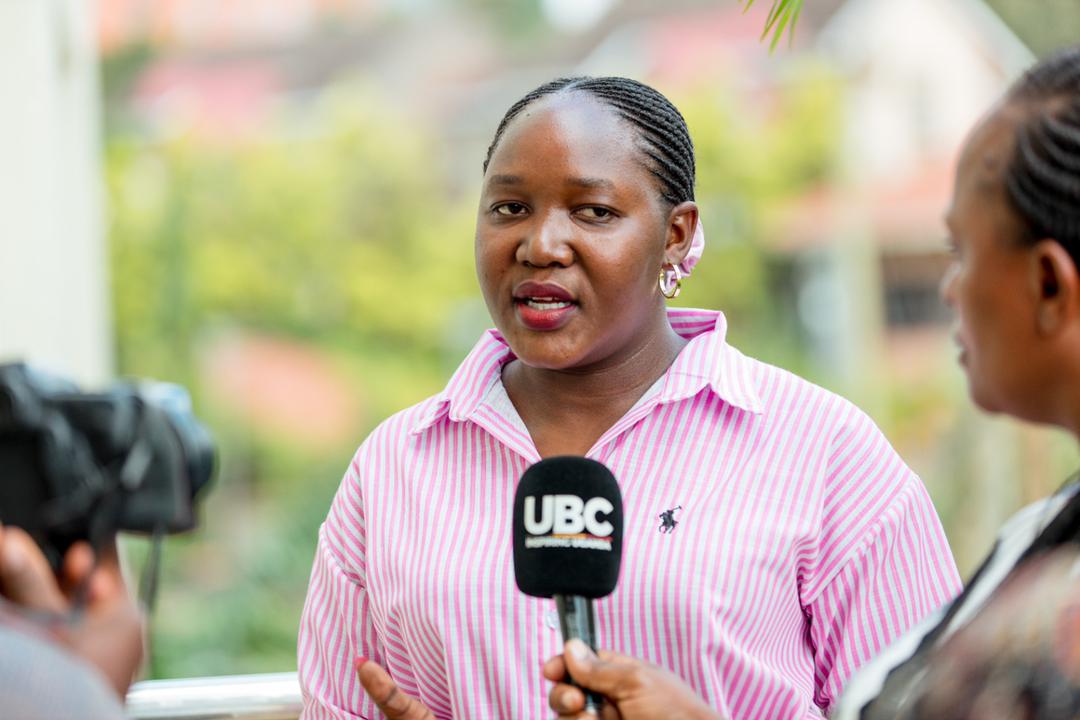
Under the theme,”Nourishing Minds, Empowering the Future”Participatory Ecological Land Use Management (PELUM) Uganda a network of 74 civil society organizations dedicated to promoting agroecology among smallholder farmers and development partners has joined the Uganda Parliamentary Alliance on Food and Nutrition Security for the Nutrition week as well as the World Nutrition Day scheduled to be celebrated on 28th/May In Iganga District.
Pelum Uganda Advocacy Officer Mary Apio says this year’s Nutrition Week presents a critical opportunity to strengthen collective action toward ensuring that every child in Uganda has access to nutritious meals, enabling them to learn, grow, and thrive to their full potential.
Call to Action
“PELUM Uganda hereby urges Parliament of Uganda to prioritize and allocate adequate financing for a national home-grown school feeding programme to ensure that every child has access to safe, nutritious, and sufficient meals at school. This investment will improve learning outcomes, enhance school attendance and retention, and directly address child malnutrition while strengthening local food systems,”Apio stated.
“We call upon government in collaboration with local governments, schools, and communities to promote the establishment of school gardens, agroecology clubs, and nutrition education programmes as platforms for practical learning and behavior change. These initiatives will empower children with knowledge on healthy diets, sustainable agriculture, and environmental stewardship, while complementing school feeding programmes,”she added.

In stakeholders meeting with legislators in Kampala,Apio said government should deliberately support the production and consumption of traditional and indigenous foods that are nutritious, locally available, and culturally appropriate.
She said promoting these foods is critical for improving dietary diversity, combating malnutrition, preserving cultural heritage, and strengthening resilient local food systems in the Busoga sub-region.
Agnes Kirabo Exectuive Director of Food Rights Alliance urged government through Ministry of Agriculture and Parliament of Uganda to fast-track the review and approval of a harmonized Food and Nutrition Policy and the passing of the Food and Nutrition Bill in to law adding that such frameworks will protect public health by combating diet-related diseases, address malnutrition, ensure access to diverse and nutritious foods, and boost food security through sustainable agriculture practices.
Kirabo also appealed to Ministry of Agriculture, Animal Industry and Fisheries to review and roll out a new agricultural extension strategy, strengthening district and subcounty officers’ skills in Nutrition and sustainable agriculture/Agroecology practices and principles to promote nutrient-rich crops to improve diet diversity, supporting sustainable food systems, nutrition, and livelihoods of Communities in Busoga Sub Region.
In addressing malnutrition in Busoga Sub region,Kirabo suggested an integrated approach that links agriculture, nutrition, and education—ensuring that what is produced at the farm level translates into diverse, nutritious diets within households and accessible meals in schools.
“In this context, agroecology provides a practical and sustainable pathway to address these interconnected challenges. It promotes farming practices that enhance biodiversity, improve soil health, conserve water, and build resilience to climate change, while enabling households to produce a diverse range of safe and nutritious foods essential for improved nutrition outcomes, particularly for children and mothers,”she stated.
She added that Agroecology also strengthens the link from farm to classroom by supporting home-grown school feeding approaches, where locally produced food is supplied to schools. This ensures that children receive fresh, culturally appropriate, and nutritionally balanced meals, while at the same time strengthening local food systems and supporting smallholder farmers’ livelihoods.

According to Kirabo Busoga sub-region is rich in traditional and indigenous foods such as millet, sorghum, cowpeas, pumpkins, and indigenous vegetables, which are nutrient-dense and well adapted to local conditions. However, these foods remain underutilized. Promoting their production and consumption offers a critical opportunity to improve dietary diversity, address malnutrition, and restore healthy, culturally appropriate diets within communities.
“A deliberate effort to promote production, consumption, and celebration of these traditional and underutilized foods is essential. Recognizing their cultural and nutritional value will strengthen food and nutrition security, enhance self-sufficiency, and support the development of a resilient food system capable of withstanding climate and economic shocks in the Busoga sub-region,”she emphasized.
Since 1995, PELUM Uganda has been working to improve the livelihoods of smallholder farmers and the sustainability of rural communities through the fostering of ecological land use management. In 2025, PELUM Uganda proudly marked 30 years of service in advancing resilient food systems and sustainable agriculture in Uganda.
