





Uganda’s leading private University Kampala International University has announced an offer of 1000 scholarships to potential students who wish to advance their education career starting this academic year
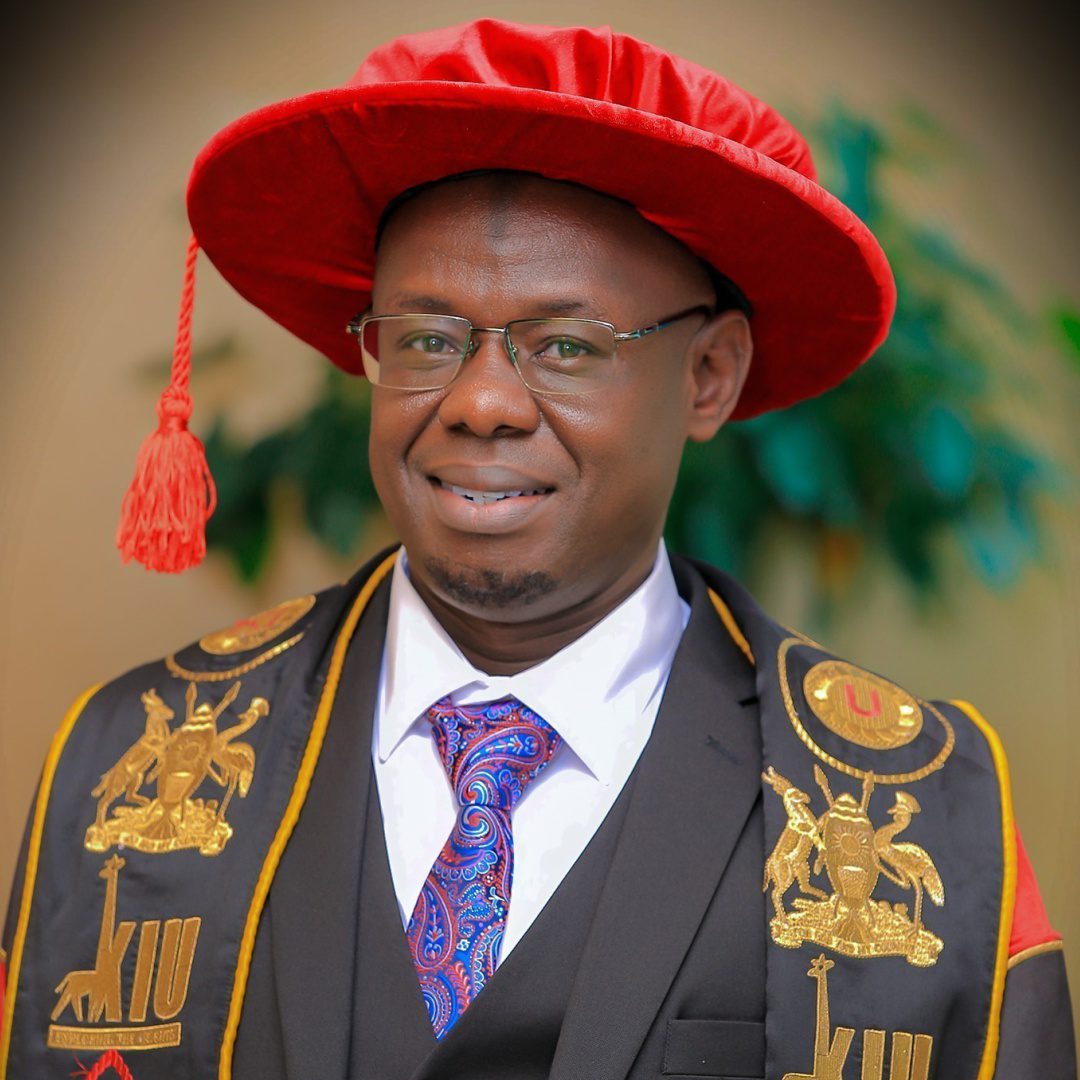
“As a university, we are embarking on an ambitious programme to provide over 1,000 scholarships annually to Ugandans. This initiative will particularly focus on postgraduate education.”Vice-Chancellor of Kampala International University (KIU)Professor Muhammed Ngoma said during the 33rd graduation ceremony In Ishaka Bushenyi District .
“Our goal is to significantly increase the number of PhD students we support each year. We intend to complement externally funded scholarships with university-sponsored opportunities, especially for female scholars. Beginning this year, we aim to support approximately 100 PhD students annually while also expanding support for Master’s degree students,”he added.


KIU is a member of the African Research Universities Alliance (ARUA), a network of leading African universities committed to advancing research and postgraduate training. Through ARUA, opportunities exist to support doctoral students across member institutions.
Currently, KIU has over 400 staff members with PhDs. By 2030 and beyond, our objective is to double this number and continue building one of the strongest academic teams in the region.
Infrastructure Development Prof Ngoma stressed that university continues to invest heavily in infrastructure development to make the edcuation environemtal condusive for the growing student population
“One of our major projects is the expansion of the School of Pharmacy facilities. These developments are intended to support increased student enrolment and meet the standards required by professional regulatory bodies.
We remain committed to providing modern learning facilities that support quality education and practical training,”he stated.


According to Vice Chancellor Professor Muhammed Ngoma,KIU has recorded more than 3,500 research publications, with approximately half appearing in high-impact journals. These achievements have significantly improved our international rankings and strengthened our reputation as one of Africa’s leading research institutions.
He appealed to government to address the issue of National Health Insurance saying Uganda urgently needs a comprehensive national health insurance scheme. He noted that many countries in the region have already implemented such systems with positive outcomes and Health insurance would improve access to healthcare, strengthen private sector investment in hospitals, and reduce the financial burden on citizens.
Secondly government should consider reviewing taxes imposed on critical educational, scientific, and medical infrastructure. Equipment for hospitals, laboratories, educational technology, and research should receive favourable tax treatment because such investments directly contribute to national development.
On Internship for Medical Graduates Prof Ngoma appealled to government to maintain internship opportunities and allowances for medical graduates. These young professionals play an essential role in healthcare delivery and deserve support during their internship period.


“If quality assurance concerns exist, professional examinations can be introduced before internship placement. However, internship opportunities and support should not be removed entirely,”he stressed.
In terms of Postgraduate Funding and Student Loans,he suggested that government should expand student loan schemes and scholarship opportunities for postgraduate students.
On Teacher Training the professor called on govdernment to review policies affecting teacher education, particularly regarding Grade III teacher training institutions. These colleges have historically played a critical role in producing teachers for primary education, and their contribution should not be overlooked.
Similarly, teaching practice requirements should be carefully reviewed to avoid unnecessary duplication between universities and government programmes.
In conclusion Prof Ngoma said government support is needed for super-specialized medical training. Disciplines such as paediatric surgery, orthopaedic surgery, and other highly specialized medical fields require significant investment that individual universities may not be able to sustain alone.
He argued that government involvement in supporting super-specialization will strengthen Uganda’s healthcare system and improve access to advanced medical services.


Chairperson Board of Trustees, Dr. Hassan Basajjabalaba outlined KIU’s ambitious plans to expand postgraduate education, strengthen research capacity, and increase scholarship opportunities for Ugandans.
He announced that the university is embarking on a major scholarship programme targeting more than 1,000 Ugandans annually, with particular emphasis on postgraduate education and the advancement of research.
“As a university, we are embarking on an ambitious programme to provide over 1,000 scholarships annually to Ugandans,” Dr. Basajjabalaba said.
He revealed that KIU plans to support approximately 100 PhD candidates annually while significantly increasing opportunities for Master’s degree students, particularly female scholars pursuing advanced studies.
The Board Chairperson Dr Hassan Basajjabalaba highlighted the university’s growing research footprint, revealing that KIU recorded more than 3,500 research publications this year, with nearly half appearing in high-impact international journals.
He called upon government to strengthen investment in higher education through expanded postgraduate funding, enhanced research support, tax incentives for educational and medical institutions, and the preservation of internship opportunities for medical graduates.


