

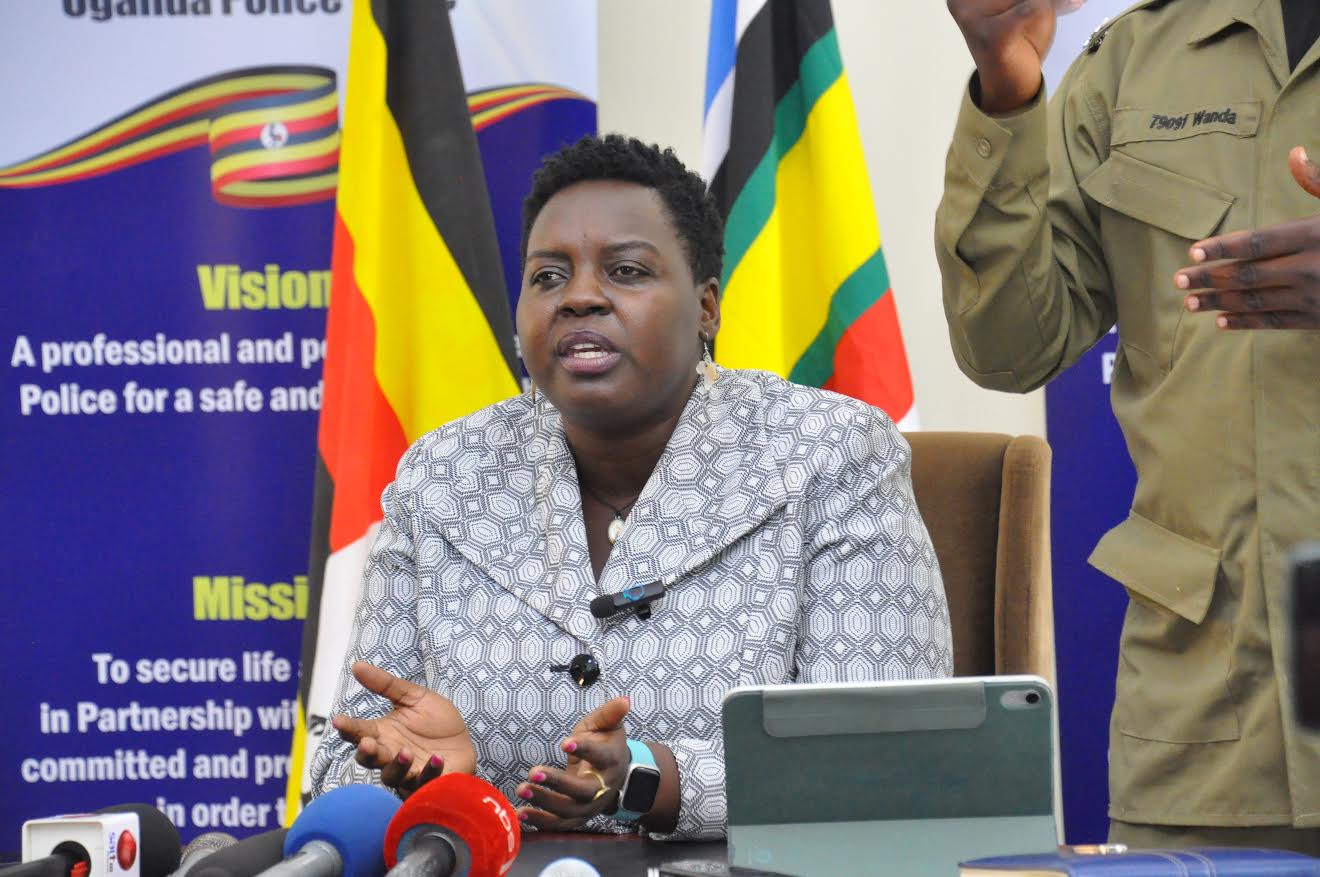
The National Identification and Registration Authority (NIRA) has finally dispatched over five million National Identity Cards to various districts following the recent mass enrollment exercise.
In May 2025, NIRA embarked on a mass registration and renewal exercise targeting 15.8 million National IDs set to expire by June 2025, and aimed to register 17.2 million new applicants, including children under 17 years and citizens who missed the 2014 registration.
According to NIRA Registrar Claire Ollama said the new National IDs have been enhanced with security features including laser engraving of multiple images for anti-counterfeit protection, a Machine Readable Zone (MRZ) similar to those in passports, and a 2D barcode readable by smartphones or scanners. The barcode stores encrypted personal data and enables fast and reliable identity verification.
“Many Ugandans who applied for the National ID — I am glad to report that production is in high gear, and up to five million or more cards have been produced and therefore dispatched to different districts across the country.”Olama said.
“Many people have already received their National IDs. “We have dispatched cards by district to Abim 8,141, Adjumani 27,000, Agago 11,800, Alebtong 25,000, Amolatar 14,000, Amudat 9,000, Amuria 13,000, Amuru 15,000, Apac 17,700, Arua 16,000, Arua City 43,500 cards,”she stated.
According to Nira,Ugandans in Australia received 200 cards and Belgium 50. Budaka 28,000, Bududa 13,000, Bugweri 17,000, Buhweju 2,000, Buikwe 60,600 cards, Bukomansimbi 3,135, Bukwo 9,400, Bulambuli 9,400, Buliisa 2,300, and Bundibugyo 24,800 cards.
Meanwhile Bunyangabu 3,596, Bushenyi 14,500, Busia 29,400, Butaleja 16,733, Butambala 2,600 cards, Butebo 2,700, Buvuma 7,302, Buyende 11,373 cards, and Dokolo 4,700.

And Fort Portal City 4,800, Gomba 20,236, Gulu 2,345, Gulu City 11,800, Hoima 4,108, Hoima City 3,124, Ibanda 11,463, Iganga 31,700, Isingiro 34,000, Jinja 12,000, Jinja City 30,852, Kaabong 4,565, Kabale 23,700, Kabarole 4,087, and Kabiramaido 8,997.
Kagadi 12,000, Kalaki 10,200, Kalangala 1,362, Kaliro 25,700, Kalungu 3,500, Kampala 261,000, Kamuli 45,853, Kamwenge 15,937, Kanungu 17,000, Kapchorwa 13,000, Kapelabyong 1,411, Karenga 2,007, Kasese 69,000, Kasanda 13,197, Katakwi 3,788, Kayunga 43,000, and Kazo 2,500.
Kenya 546, Kibale 3,482, Kiboga 11,155, Kibuku 16,100, Kikuube 30,058, Kiruhura 2,802, Kiryandongo 3,565, Kisoro 3,196, Kitagwenda 2,674, Kitgum 17,000, Koboko 20,000, Kole 9,647, Kotido 9,000, Kumi 27,000, Kwania 3,380, Kween 9,812, Kyankwanzi 17,011, and Kyegegwa 28,000.
Kyenjojo 30,000, Kyotera 17,000, Lamwo 8,827, Lira 9,144, Lira City 15,212, Luuka 18,165, Luwero 42,000, Lwengo 24,668, Lyantonde 2,454, Madi-Okollo 2,831, Manafwa 18,000, Maracha 3,419, Masaka 10,000, Masaka City 30,000.
India 10, Mayuge 29,000, Soroti 18,000, Soroti City 12,000, and Tororo 51,000.
She advised the general public to go to their nearest office and pick up their cards.
I want to emphasize that registration happened over time, and therefore, we shall receive cards over time, because we did not register on the same day. That’s why it is called a project.”Ollama explained.