





The Standards, Utilities and Wildlife Court in Kampala has convicted Nyanza Textile Industries Limited Uganda’s largest and oldest vertically integrated textile manufacturer,Shs 180 million after the company pleaded guilty to illegally discharging industrial effluent into River Nile..
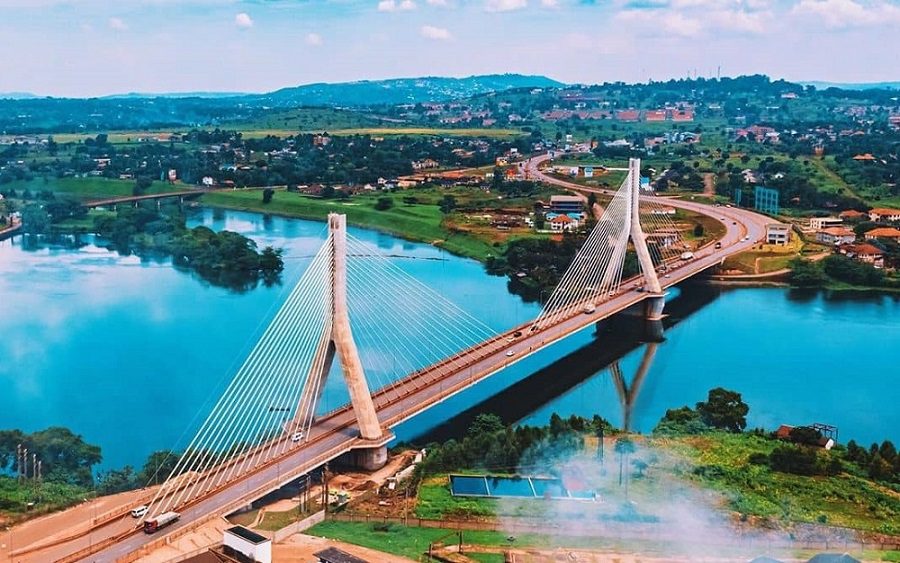
The River Nile is a critical national resource that supports water supply, fisheries, agriculture, hydropower generation, biodiversity conservation, and the livelihoods of millions of Ugandans. Its protection remains central to environmental sustainability and national development.
NYTIL was charged with unlawfully discharging pollutants into the environment, in violation of Uganda’s environmental laws and regulatory standards.
Acting on its mandate to enforce environmental compliance, the National Environment Management Authority (NEMA) conducted investigations, collected evidence of illegal effluent discharge into neighbouring land and the River Nile, and instituted prosecution before court.
Court heard that between April 2024 and November 2025, the company discharged industrial effluent from its facility in Buikwe District onto neighbouring land and into a section of the River Nile, without meeting the required environmental standards.


Chief Magistrate Gladys Kamasanyu convicted the company upon its guilty plea and imposed a fine of Shs 180 million. The court also ordered NYTIL to restore the affected land and the polluted section of the River Nile within 30 days.
The court further directed National Environmental Management Authority to supervise the restoration exercise and submit a compliance report to ensure full environmental recovery.
Dr. Barirega Akankwasah, Executive Director of the National Environment Management Authority welcomed the ruling, stating that it reinforces the importance of environmental compliance and the principle that polluters must take responsibility for restoring degraded ecosystems.


Dr.Barirega advocates for completely phasing out single-use plastics and polythene bags (kavera) says Uganda generates roughly 600 metric tons of plastic waste daily, with less than 10% recycled. The rest clogs drainage channels, pollutes urban centers, and endangers Lake Victoria
He warned encroachers—both individuals and large corporations—to vacate wetlands stressing that cities need more wetlands to absorb rising industrial emissions, and has led highly publicized enforcement and demolition campaigns to clear illegal developments
According to Nema officials , River Nile in Uganda faces severe, escalating pollution, primarily from untreated industrial waste, municipal sewage, and ubiquitous plastic waste flowing from Lake Victoria and urban centers like Jinja and Fort Portal. This environmental degradation threatens aquatic ecosystems and the region’s drinking and fishing water supplies.
There is also mounting pressures on the Nile and its connecting basins including factories discharging inadequately treated—or sometimes entirely untreated—waste directly into the river and its feeder streams are driving water contamination. For example, studies in Jinja have shown that water quality is severely compromised, and pipes have been found illegally dumping foul-smelling, black wastewater into the Nile.
There is further plastic debris, polythene bags, and discarded plastic bottles used by local fishing communities for net flotation choke waterways. Over 75% of fish sampled in parts of the Nile have been found with microplastics in their gastrointestinal tracts


