





Absa Bank Uganda Chief Financial Officer Michael Segwaya has asked Financial institutions to finance bankable energy projects to unlock Uganda’s long-term energy ambitions.
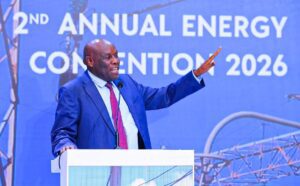
Addressing this years energy convention in Kampala,he said access, affordability and project preparation remain the biggest constraints to growth in the energy sector.
Segwaya told participants that while government has demonstrated commitment through increased budget allocations, the private sector must play a central role in structuring viable, long-term investments.
“Uganda’s Tenfold Growth Strategy is ambitious but achievable. However, financial institutions must co-create bankable structures that turn plans into operational assets,” Segwaya said.

He pointed to existing investments, including the Bujagali hydropower project and a $50 million facility extended to Uganda Electricity Distribution Company Limited (UEDCL) to expand electricity access to over 200,000 households.
Segwaya also cited a Shs 11.085 billion concessional facility extended in partnership with the Uganda Energy Credit Capitalisation Company (UECCC) to support electricity access under the Electricity Access Scale-Up Project.
Absa’s head of financial institutions, Benard Kamatte, said inadequate project preparation continues to hinder investment, particularly in renewable energy.
“Our biggest bottleneck is bankability. Capital follows risk mitigation, and without proper understanding of the technologies involved, it becomes difficult to attract financing,” Kamatte said.
He added that limited investment in feasibility studies, environmental assessments and advisory services often undermines project readiness.


Kamatte noted that local banks have previously demonstrated their ability to support large-scale infrastructure, including participation in the $5.6 billion East African Crude Oil Pipeline (EACOP) project.
He called on development finance institutions to take a more active role in de-risking projects at early stages, particularly in emerging areas such as mini-grids, battery storage and renewable energy systems.
The convention also highlighted blended finance as a key solution, combining public, donor and private capital to lower financing costs and expand access.
Kamatte cited Absa’s partnership with UECCC as a model, where concessional funding helps cap lending rates at about 15% to support last-mile electricity connections, solar installations and clean cooking solutions.


Despite Uganda’s installed generation capacity rising to 2,098 megawatts, electrification remains uneven, averaging 60% nationally and falling to about 42.4% in rural areas, where most households still depend on biomass fuels.
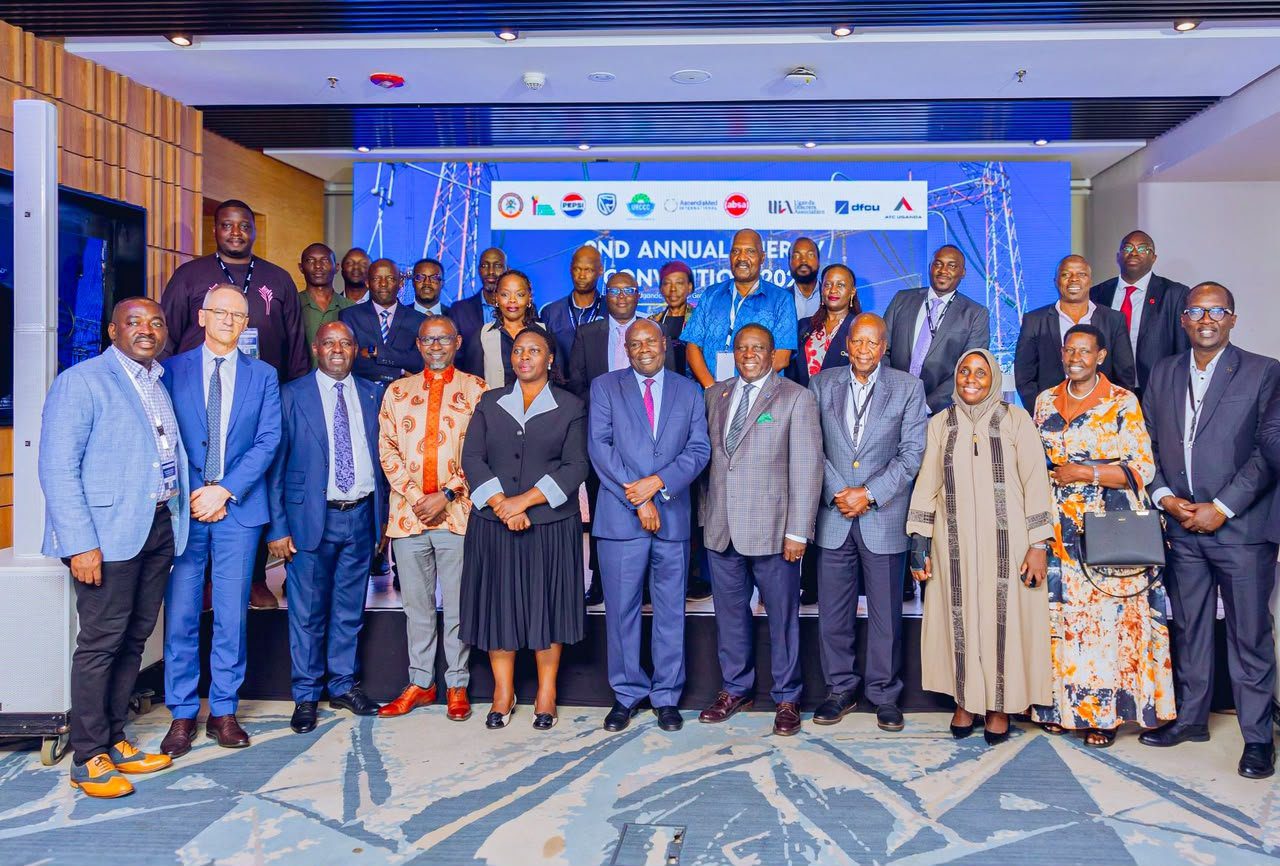
The convention brought together government officials, financiers and development partners to discuss Uganda’s transition from power generation to universal electricity access, with a focus on the country’s multi-billion-dollar energy targets.


