


When investors and policymakers discuss Uganda’s economic future, they often focus on traditional sectors. However, a quiet revolution is taking place, driven by a resource that is fast-growing, incredibly versatile, and perfectly aligned with global climate goals:Bamboo.
At Green Cane Innovations Limited, we believe bamboo is Uganda’s untapped “green gold.” It is not merely a plant; it is a comprehensive economic and environmental solution. Here’s why the time to invest in Uganda’s bamboo value chain is now.
1. A Climate-Smart Economic Engine Bamboo is one of the fastest-growing plants on Earth and a carbon sequestration powerhouse, absorbing significantly more CO 2 than many tree species. As the world moves towards a low-carbon economy, bamboo offers a commercially viable way for Uganda to meet its climate targets (SDG 13) while creating wealth.
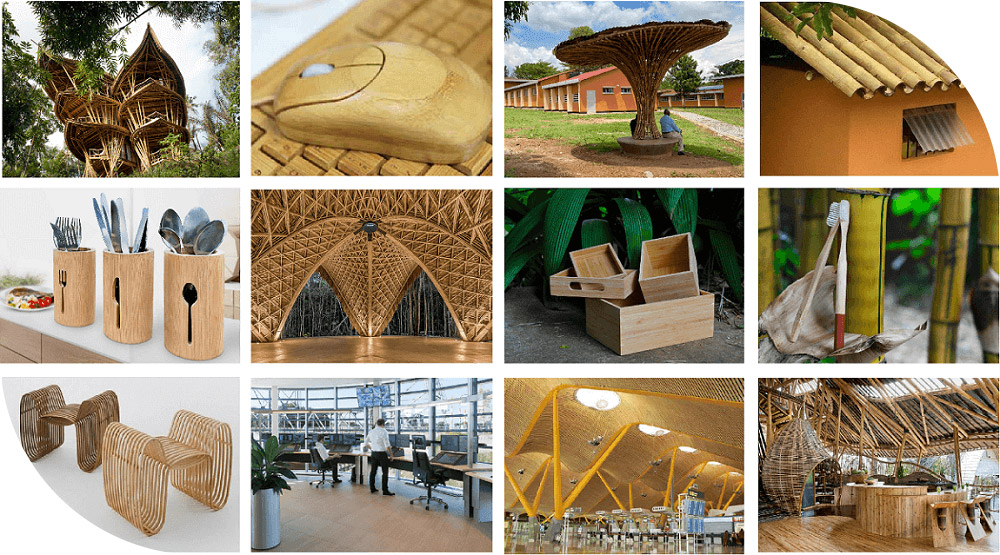
2. A Driver of Industrialization and Job Creation The applications for bamboo are astounding. From construction materials and furniture to textiles, bio-energy, and eco-friendly packaging, bamboo can fuel a new wave of green manufacturing in Uganda. Developing this value chain—from plantation to processing—will create thousands of jobs (SDG 8), particularly for youth and women in rural areas.
3. Restoring Landscapes, Revitalizing Communities Vast areas of Uganda suffer from land degradation and soil erosion. Bamboo’s robust root system makes it ideal for restoring degraded lands and protecting watersheds. By promoting bamboo cultivation, we can enhance biodiversity (SDG 15) and provide farmers with a reliable income source that reduces pressure on our natural forests.
4. Meeting Global Market Demand The global market for bamboo products is already valued at over $60 billion and is projected to grow. Consumers in premium markets like the Gulf, Europe, and North America are actively seeking sustainable, eco-friendly products. With support from the Uganda Bamboo Strategy and Action Plan (2019–2029) and organizations like INBAR, Uganda is perfectly positioned to become a leading supplier.
GCIL’s Role: We are actively building this ecosystem. We provide high-quality bamboo seedlings, train farmers in sustainable cultivation, and, through our trade facilitation services, connect producers to the international buyers ready to invest in Ugandan bamboo. The question is no longer if bamboo will play a major role in Uganda’s economy, but how quickly we can scale the industry. The opportunity is immense, the environmental benefits are clear, and the market is waiting.
AT GCIL our mission is to turn nature-positive value chains into investable, high-quality supply. From modern apiculture and honey processing to bamboo reforestation and circular crafts, from green-enterprise incubation to market-entry and compliance support, GCIL helps producers meet international standards and reach discerning global buyers. The result is shared value: dignified livelihoods for communities, reliable sourcing for partners, and measurable climate and biodiversity gains.

We work hand-in-hand with smallholder groups, government agencies, NGOs, and impact investors to co-create resilient value chains. Our model blends capacity building, quality assurance, and market-based strategies; ensuring enterprises can generate revenue sustainably while delivering clear, reportable social and environmental outcomes. By aligning with international best practice and buyer requirements, we de-risk participation for partners and accelerate scale.
China dominates the global bamboo export market, accounting for approximately 70% of total exports, followed by the Netherlands, Vietnam, and Thailand. Key exported products include circle sticks, spatulas, and furniture, with a growing market for bamboo shoots and processed goods. The industry is valued in the billions, focusing on sustainable, high-quality products
It’s a fast-growing alternative to wood, helping restore deforested areas quickly, with plans to plant on 375,000 hectares by 2030