

Each morning in the hills of Kabale District, children begin their school day long before they reach a classroom. The journey can take up to two hours on foot across steep terrain, leaving many of them exhausted before lessons even begin. For some, especially boys, the daily climb becomes too demanding; leading to irregular attendance or dropping out altogether to pursue entrepreneurial activities.
Uganda has made significant progress in expanding access to education through Universal Primary Education (UPE); bringing millions of children into school. However, in hard-to-reach communities, physical access and the quality of learning environments continue to shape how effectively that opportunity translates into consistent attendance and meaningful outcomes.
Bwera Primary School, located in the remote and hard-to-reach Bwera Village in Kahama Subcounty, Kabale District, Ndorwa West Constituency, has for decades faced significant challenges related to access and infrastructure.
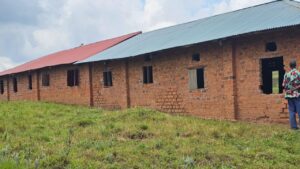
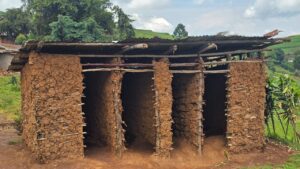
With no road access and limited infrastructure, the school has long struggled to provide a conducive environment for learning. Efforts to improve facilities have often been constrained by high transportation costs and logistical barriers; with some contractors previously declining to take on construction work due to the difficulty of accessing the site.
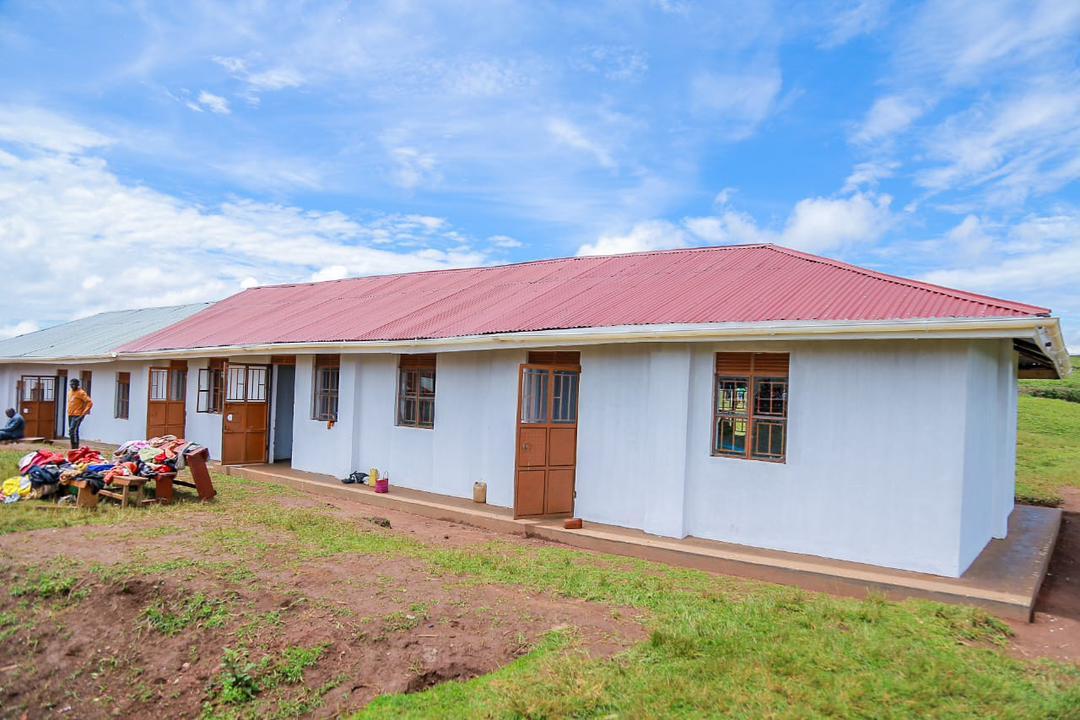
On April 1, 2026, newly refurbished facilities were officially handed over at Bwera Primary School; marking a significant improvement in the school’s learning environment.
The project was delivered through a partnership between the Mastercard Scholars Foundation and Makerere University and dfcu Bank; resulting in a renovated four-classroom block, new furniture,improved sanitation facilities, and a water harvesting system.
The upgraded facilities now support over 270 pupils; providing a safer and more suitable environment for
learning. Early changes are already being observed; with increased learner attendance and improved classroom conditions reported by teachers.
Speaking at the handover, Helena Mayanja, Head of Corporate Affairs and Sustainability at dfcu Bank,
emphasized the importance of addressing physical barriers to education:
“The journey to the school itself reflects the realities these children face every day. Improving infrastructure in such communities is essential to ensuring that access to education translates into real learning outcomes.”
District Education Officer Tumwijukye Moses Bwengye welcomed the development and commended the
Mastercard Scholars Foundation, Makerere University, and dfcu Bank for their role in improving infrastructure at the school. He noted that previous efforts to upgrade the school had stalled due to the area’s inaccessibility; with contractors unable to take on the work. He added that partnerships such as this are essential in unlocking development in hard-to-reach communities and improving education outcomes.

The project was supported by a UGX 20 million contribution from dfcu Bank; reinforcing the role of partnerships in extending access to quality education in under served communities.
The improved infrastructure is expected to enhance both attendance and the overall learning environment at the school
