

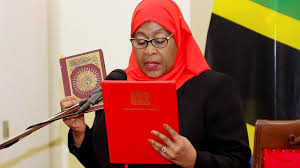
About 37.7million people are set to vote in Tanzania as Tanzania ruling party, Chama Cha Mapinduzi (CCM),seeks to extend its dominance on 29 October 2025.
It has been in power since independence in 1961, making it one of Africa’s longest-serving ruling parties.
The Independent Electoral Commission announced that a total of 37.7 million people had registered as voters in the 2025 elections, compared to 29.8 million at the last election: a 26.55% increase. According to the commission this reflects a rise in population but critics allege a scheme to manipulate the vote during the elections.
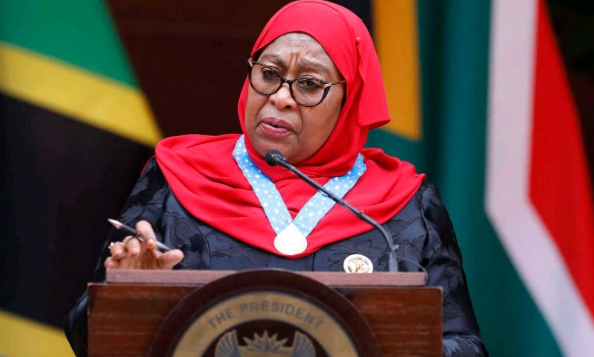
The electoral commission has cleared 16 presidential candidates. Samia, a native of Zanzibar, is running for her first full term. Her running mate, Emmanuel Nchimbi, has deep roots within CCM.
Tanzanian general elections include three main categories: presidential, parliamentary, and councillor seats. They take place across the mainland and Zanzibar Tanzania’s semi-autonomous state.
The 2025 elections feature 272 constituencies, 222 of which are mainland and 50 of which are in Zanzibar. Eight new constituencies were created in the mainland earlier this year.
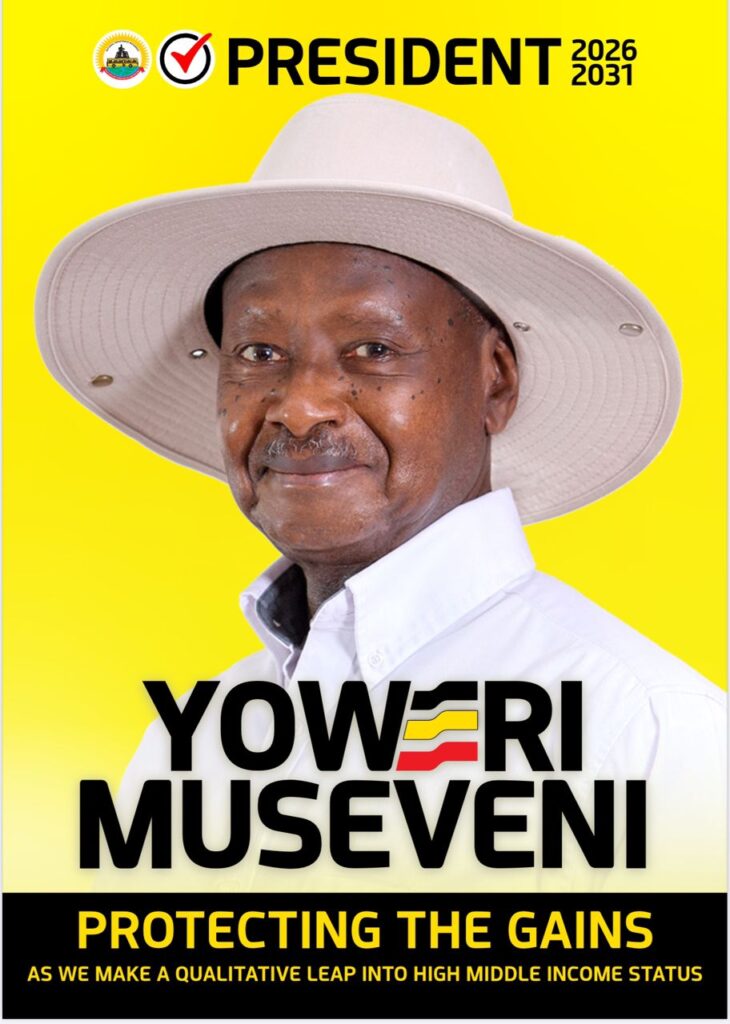
In Zanzibar, incumbent Hussein Mwinyi of CCM is seeking another term. He faces competition from Othman Masoud of ACT-Wazalendo. This will be the first general election in Zanzibar without opposition icon Seif Shariff Hamad, who died in 2021. He was a perennial presidential candidate in Zanzibar, always claiming that he had won but never becoming president.
In 2010 a government of national unity was formed in which he became the first vice president in a gesture aimed at reconciliation.
The CCM is promising to deliver a strengthened economy, infrastructure development and improved healthcare. It has also pledged a new constitution. When Samia took office in 2021, she initiated reforms that promised improvements in governance. These are long forgotten.
Chadema’s “No Reforms, No Elections” position continues to shape public discourse. The call has focused minds on the governance and human rights issues facing Tanzania. These include attacks on media freedom the targeting of government critics and gross violation of human rights and abductions.
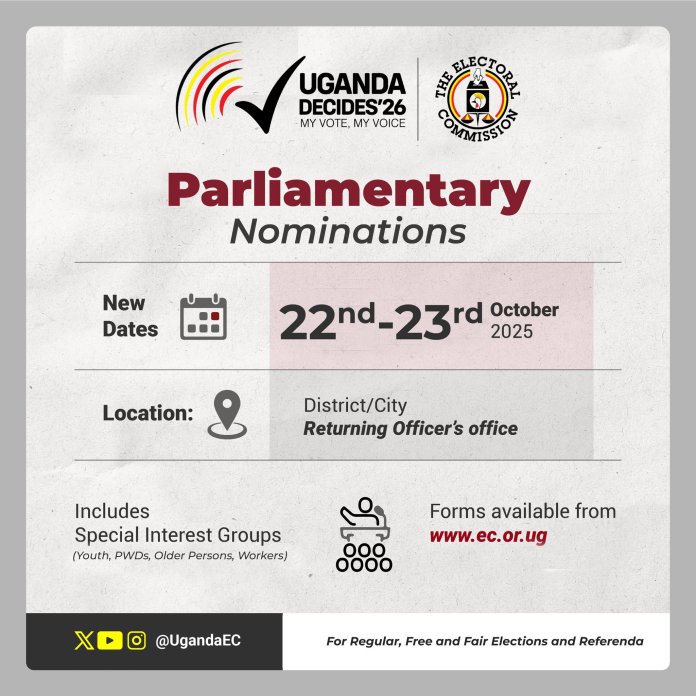
It has had an effect too on international opinion of Tanzania. Several international organizations including the African Commission on Himan Rights and the European Parliament have voiced their concern about the deteriorating human rights situation in Tanzania.
During Samia rule three new electoral laws were passed. These are the National Electoral Commission Act (2023), the Presidential, Parliamentary, and Local Government Elections Bill (2023), and the Political Parties Affairs Laws (Amendment) Bill (2023). These changes led to the establishment of a new electoral body, the Independent National Electoral Commission, with the promise of reforming the electoral system.
.