

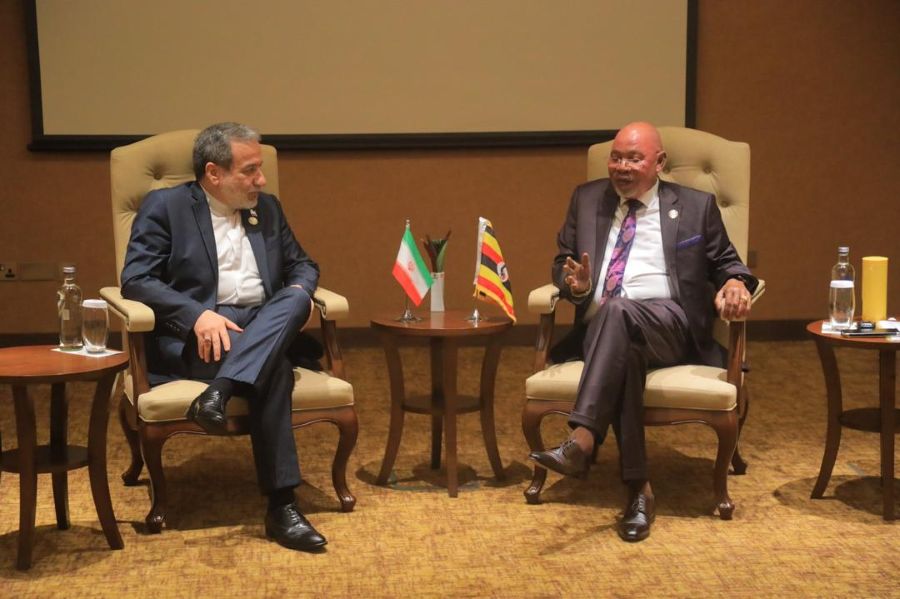
Iran’s Minister of Foreign Affairs, Seyed Abbas Araghchiahs has emphasized the long-standing ties between Iran and Uganda, noting that external sanctions should not obstruct meaningful collaboration.
“Our nations have enjoyed a long history of friendship and collaboration. International sanctions should never become a barrier to our shared aspirations for development and prosperity,” Araghchi stated.
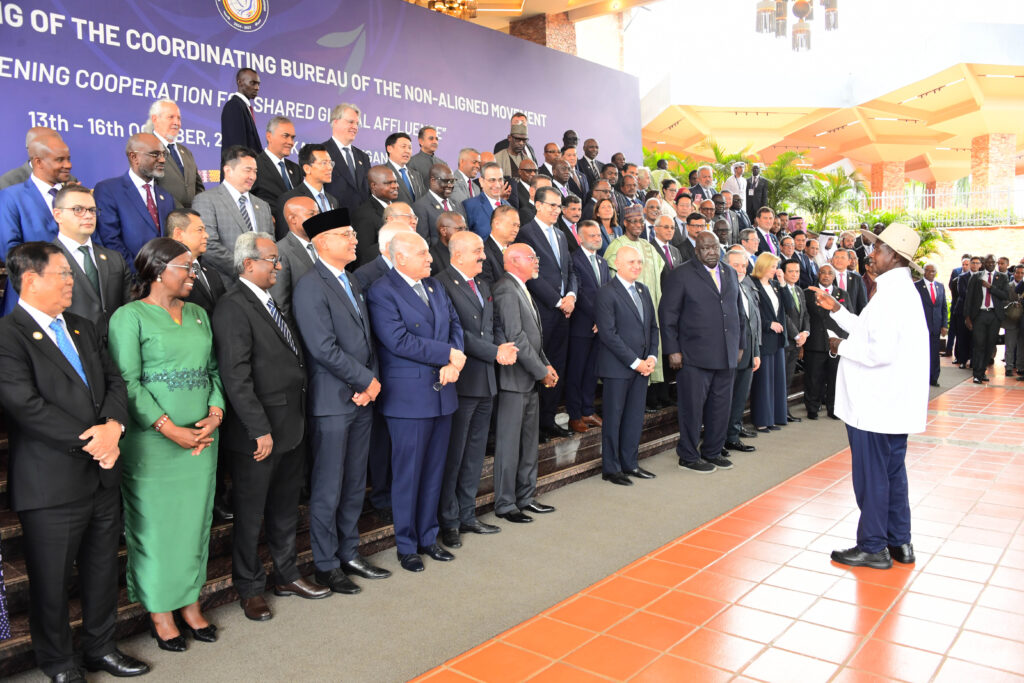
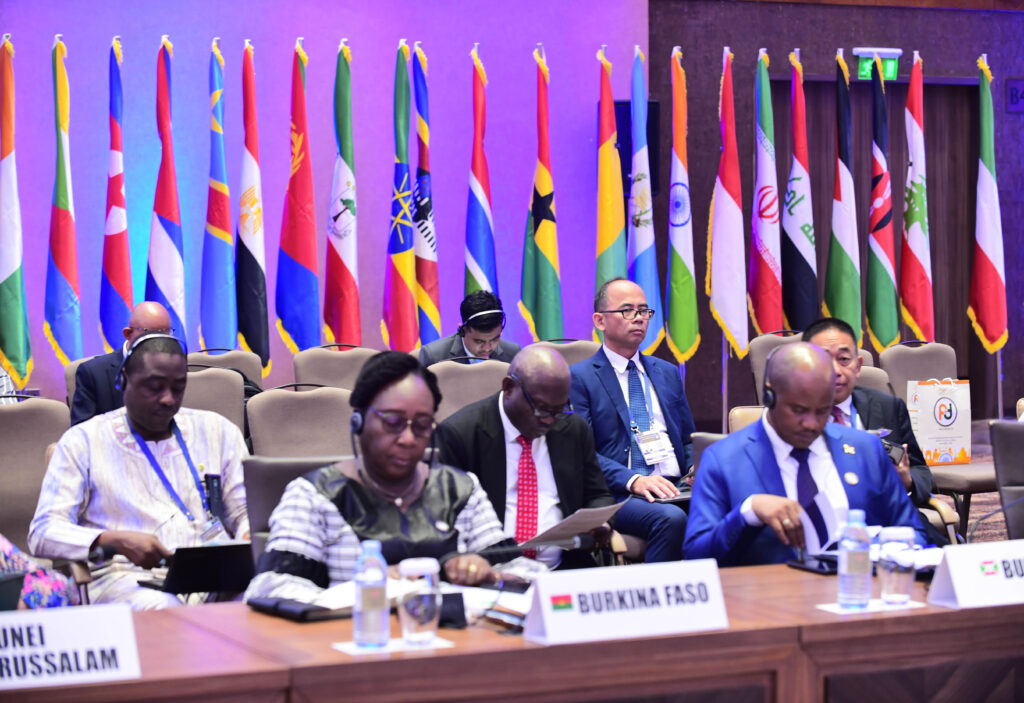
Abbas met with his Ugandan counterpart, Jeje Odongo during the Non-Aligned Movement (NAM) Ministerial Meeting in Kampala, where the two countries pledged to deepen bilateral trade and diplomatic cooperation.
The high-level meeting, held on the sidelines of the 2025 NAM Ministerial sessions, focused on enhancing economic relations, with both ministers reaffirming their commitment to advancing the interests of the Global South.
Araghchi began by commending the Ugandan government for its warm hospitality and successful organization of the conference.
“I would like to commend the Government of Uganda for hosting such a productive and well-organized meeting. The hospitality extended to our delegation has been exceptional,” he said.
In a bold economic proposal, Araghchi suggested the establishment of a direct trade framework between Iran and Uganda valued at shs 114 trillion (USD 30 billion). The move, he said, would eliminate third-party intermediaries and ensure greater economic independence.
“In order to strengthen our economic ties, Iran proposes direct trade of goods valued at shs 114 trillion. This will not only boost trade volumes but also promote greater independence and resilience in our economic relations,” he said.
Foreign Minister Odongo welcomed the proposal, describing it as a strong step toward deeper bilateral engagement in key sectors such as agriculture, energy, manufacturing, and technology.
“Uganda values its relationship with Iran and recognizes the importance of building sustainable partnerships. We are committed to exploring every opportunity that will benefit both our peoples,” Odongo said.
The two ministers agreed to build on the outcomes of earlier bilateral engagements, instructing their respective ministries to identify priority sectors and design mechanisms for effective cooperation.
They also highlighted the relevance of the Non-Aligned Movement as a platform for promoting the interests of developing countries and strengthening South–South cooperation.

“The NAM framework provides us with a unique opportunity to collaborate more closely as members of the Global South. Together, we can amplify our voice on the international stage and drive progress that benefits all,” Araghchi said.
The meeting concluded with a mutual reaffirmation of the commitment by both nations to deepen their partnership through shared values, mutual respect, and sustainable development.