


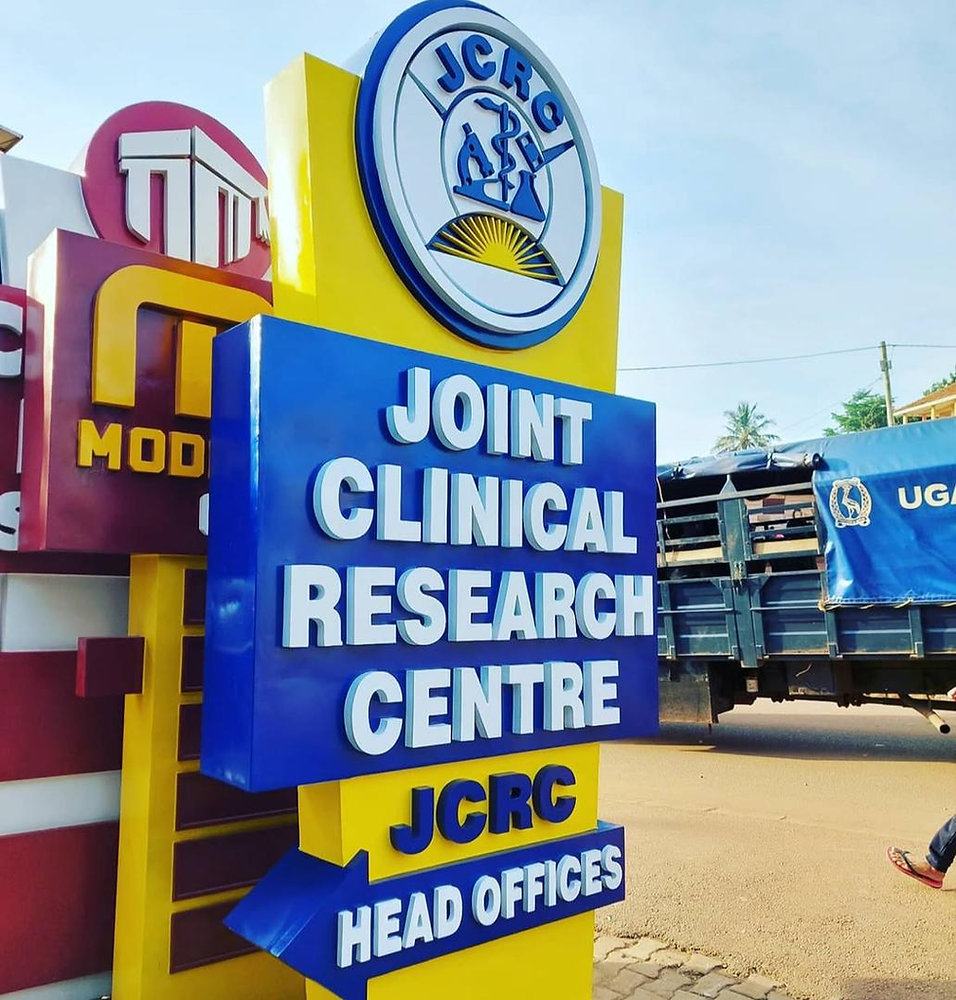
The Joint Clinical Research Center (JCRC) has launched an urgent appeal for $4 million to establish a state-of-the-art treatment facility dedicated to managing Sickle Cell Disease and blood cancers in Uganda.
JCRC is a leading clinical research and healthcare institution advancing science, health services, and capacity building in Uganda.
The JCRC has been working to advance clinical research and medical care since 1991 leveraging its resources and capacities to understand, prevent, and treat infectious diseases while responding rapidly to emerging outbreaks that threaten global public health.


Dr. Cissy Kityo Mutuluza, JCRC Executive Director, highlighted that the absence of local bone-marrow transplant services forces families to seek treatment abroad at costs beyond most Ugandans’ reach. Dr. Silver Mpima, a Sickle Cell specialist, noted that patients require regular blood transfusions, at least four times a year, to survive.
In an effort to enhance care and eventually eliminate Sickle Cell Disease in Uganda, JCRC has partnered with the Rotary Club of Kampala Breeze. Rotary leaders, including district officials, toured JCRC laboratories that provide diagnostics and research for viral, cancer, and blood-related conditions.
Rtn. Godfrey Kitakule, District Governor for Uganda and Tanzania, affirmed Rotary’s commitment to expanding access to advanced treatment locally.


“We are committed to ensuring people gain access to better and more affordable treatment,” he said. Dr. Kityo added, “With USD 4 million, we can build a world-class facility and offer bone-marrow treatment right here at home.”
Rtn. Joseph Ssemuwemba, President of the Rotary Club of Kampala Breeze, emphasized the urgent need for intervention.
“We cannot sit back and watch people die or spend life savings seeking care abroad. This project is necessary,” he said.
The proposed centre will also provide bone-marrow transplant services, a life-saving procedure currently unavailable in the country.

Sickle cell disease (SCD) is a major public health issue in Uganda, with an estimated 20,000 children born with the condition annually and nearly half dying before age five. The prevalence varies regionally, with some areas like the East-Central and Mid-Northern regions having higher rates, and challenges include limited newborn screening, inadequate care integration into primary health, and significant access barriers like transportation and awareness gaps.
Health experts rank Uganda fourth in Africa in terms of disease burden. Many affected children struggle to survive beyond the age of five, while patients often rely on treatments that only manage symptoms rather than offer a cure.